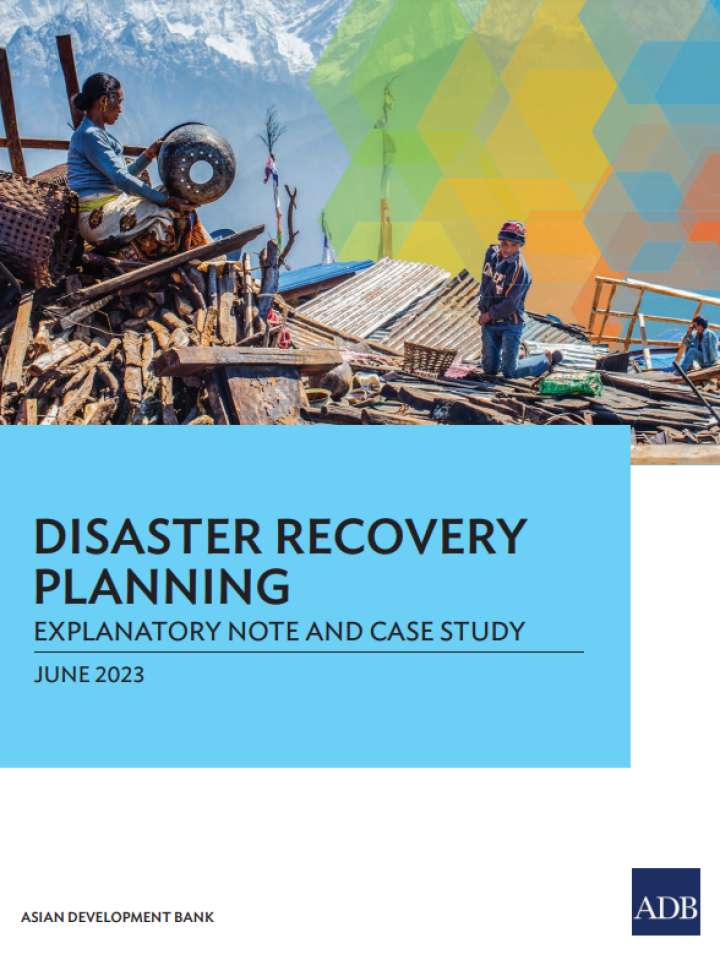
This publication outlines why post-disaster needs assessments (PDNA) should provide comprehensive details of the economic and social impacts of disasters on countries to swiftly mobilize resources and support resilient recovery.
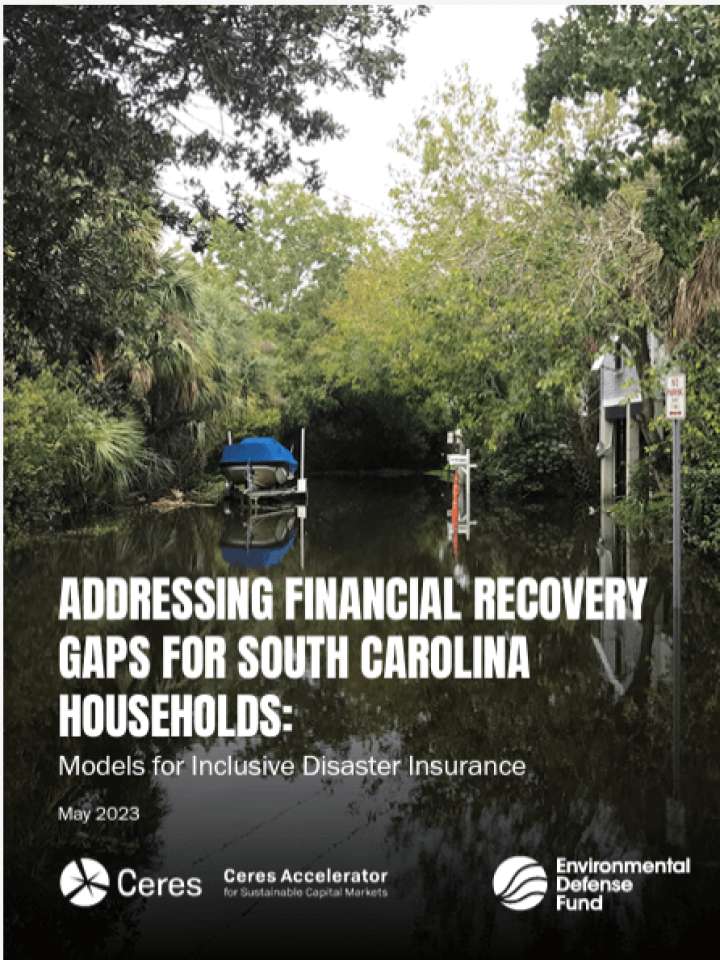
This report provides a comprehensive review of the current resources for economic recovery post-disaster in South Carolina and explores one mechanism for filling identified gaps in recovery: new disaster insurance models.
This study empirically analyzes the effectiveness of the Caribbean Catastrophe Risk Insurance Facility (CCRIF) regarding the reduction of short-term fiscal effects.
Economics of Disasters and Climate Change (Springer)
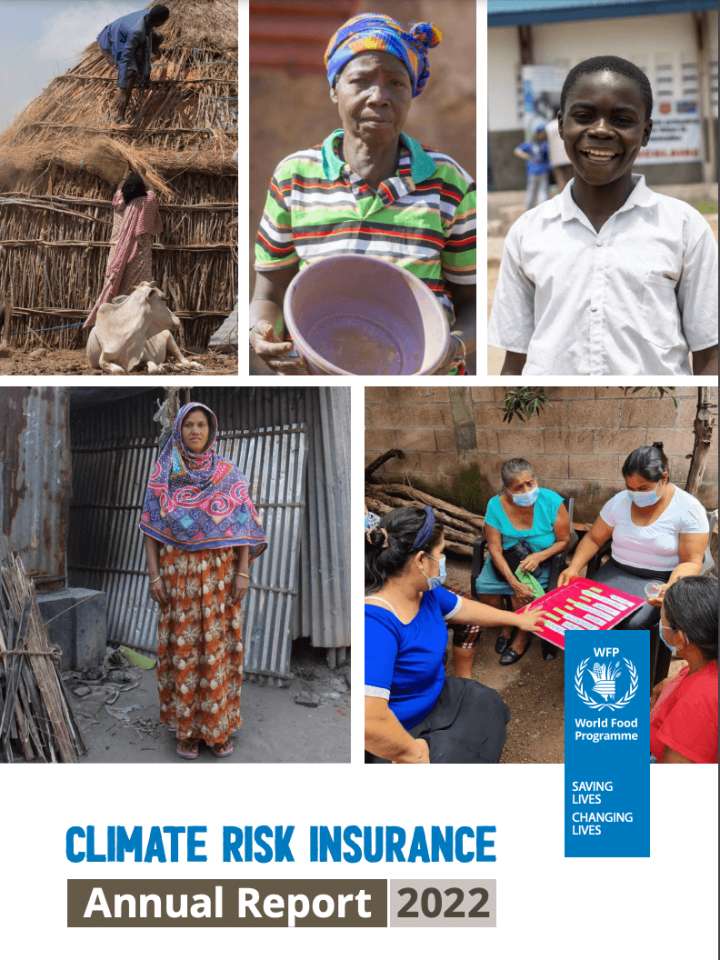
WFP has been supporting climate risk insurance as an important piece of the strategy for building women’s economic empowerment. It presents the story of women that have access to WFP’s climate risk insurance and related interventions.
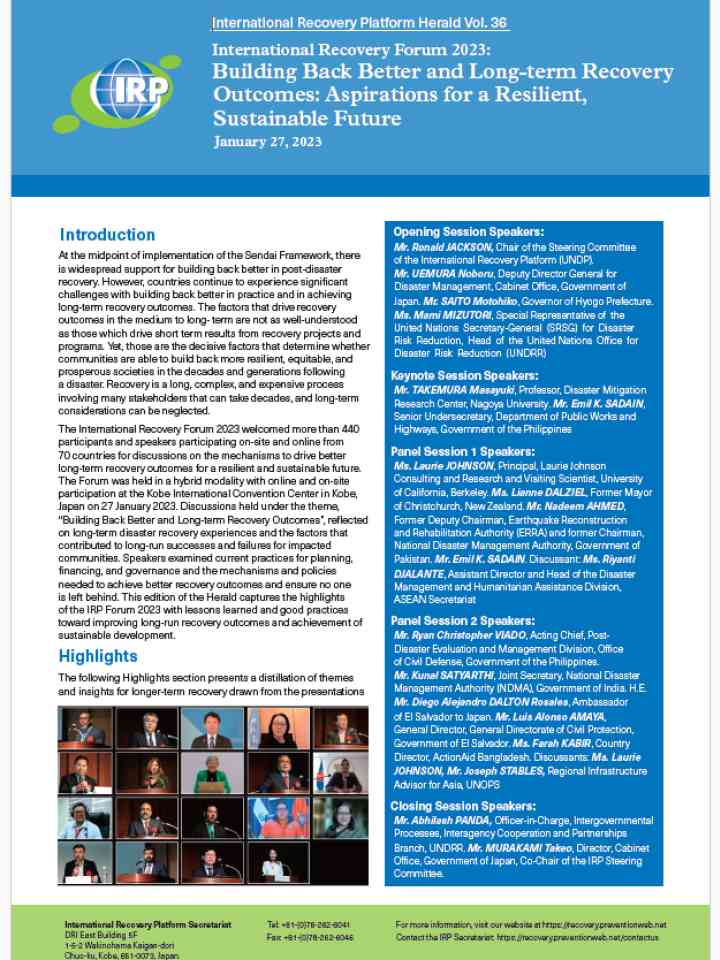
IRP Herald Volume 36 is the knowledge report for the International Recovery Forum 2023: Building Back Better and Long-term Recovery
Outcomes: Aspirations for a Resilient, Sustainable Future
This report highlights the urgent need to rewire the current financial systems towards (a) de-risking current investments (b) integrating risk reduction into credit allocation and (c) redirecting financial flows towards risk reduction.
Economist Impact
United Nations Office for Disaster Risk Reduction (UNDRR)
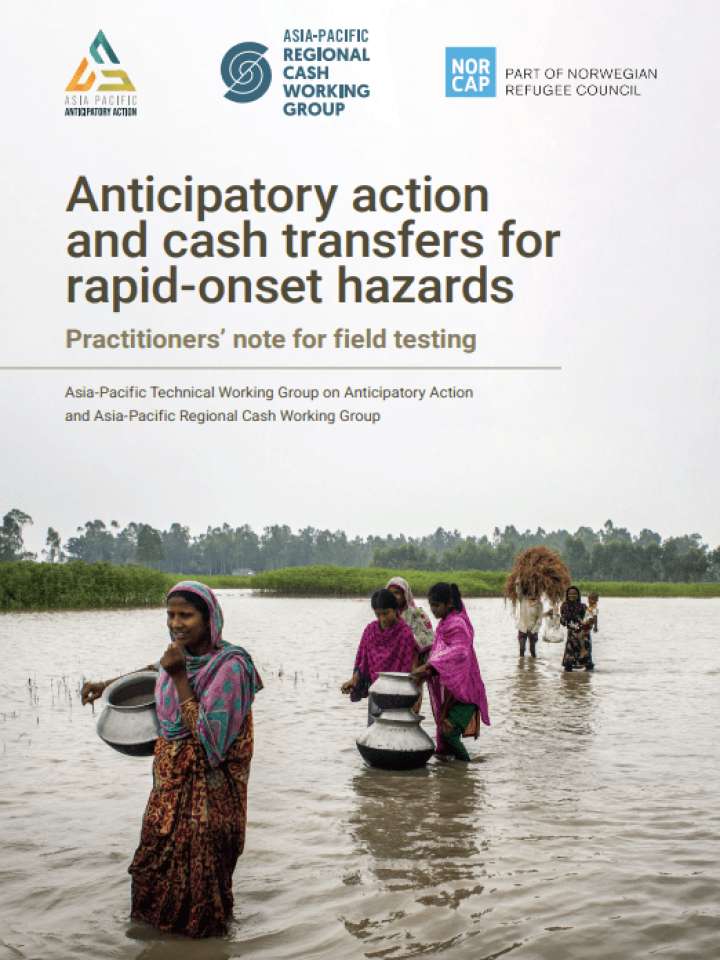
The Asia-Pacific region has been at the forefront of the anticipatory action agenda for sudden onset hazards. Cash is rightly seen as an option to deliver effective, cost-efficient and timely assistance to vulnerable households.
European Commission’s Directorate-General for European Civil Protection and Humanitarian Aid Operations (DG ECHO)
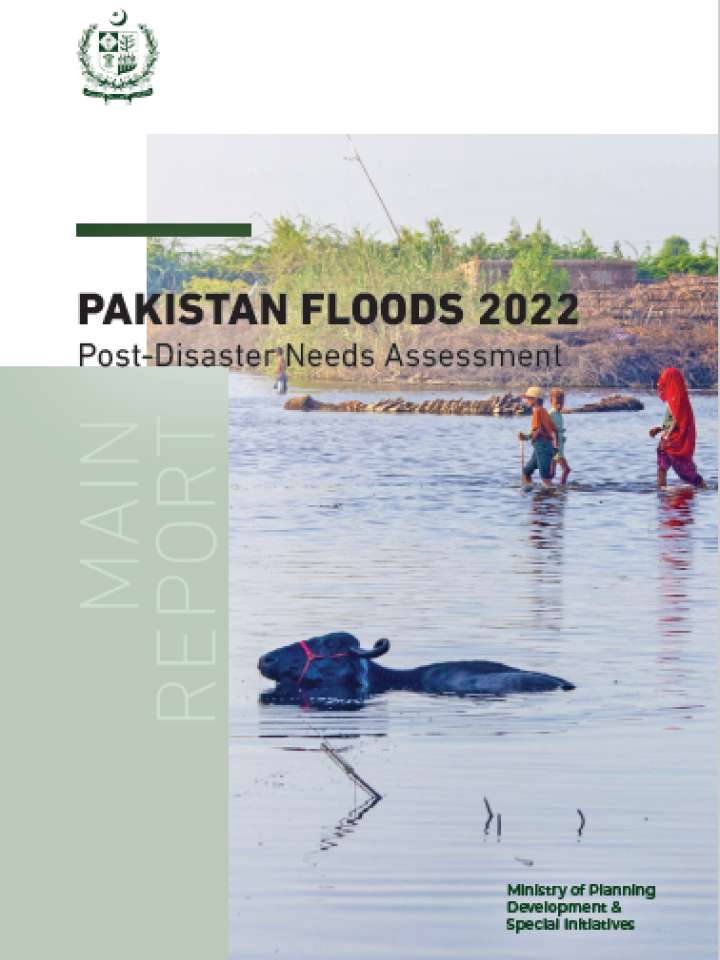
This PDNA assesses the impact of the 2022 floods-hit districts across Pakistan. It serves as the foundation for future analysis, including a resilient recovery and reconstruction strategy and a coordinated effort for building back better.