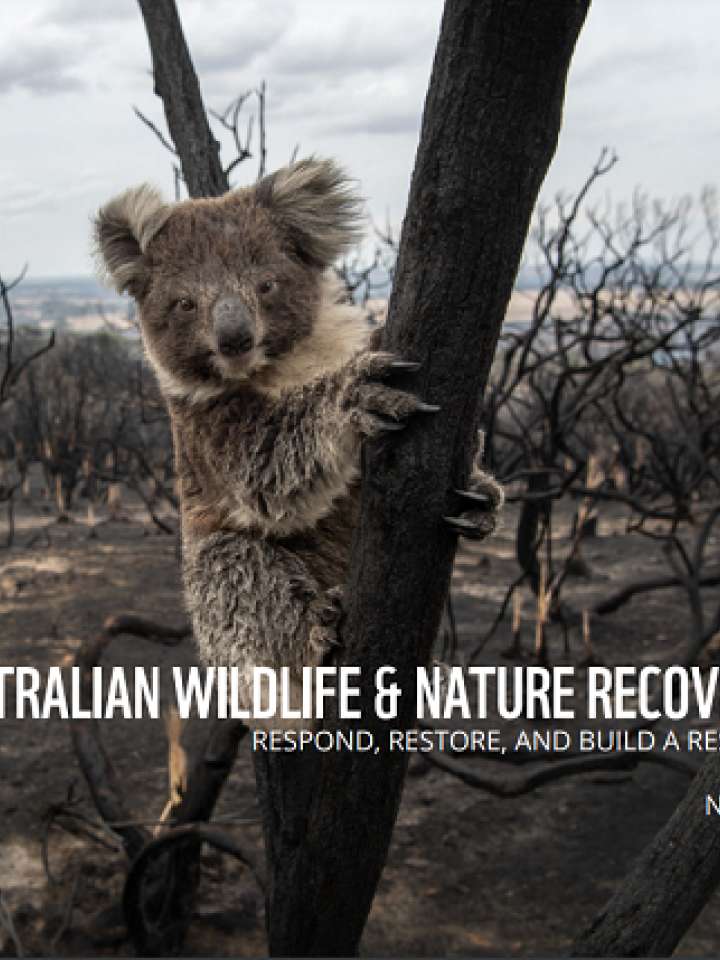
This paper presents the findings of the restoration efforts to help species affected by the 2019-20 bushfires recovery and persist in burnt and unburnt habitat with approach highlighting the scale, costs, and benefits of targeted restoration activities.
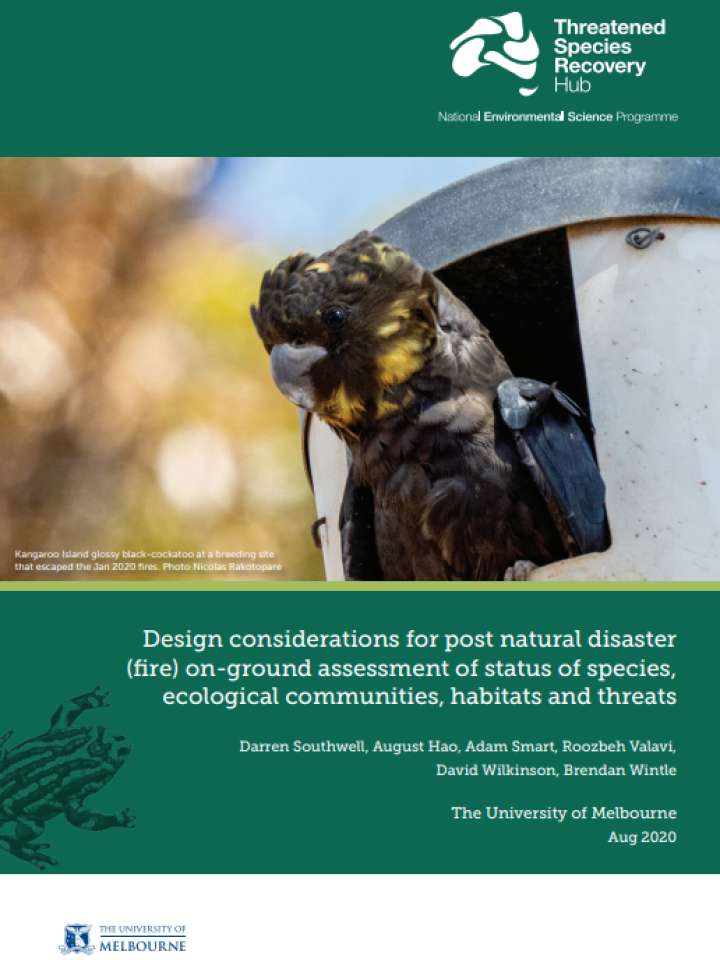
This report aims to highlight design considerations for conducting surveys to assess fire severity, habitat condition, threats, and the status of priority threatened species and ecological communities listed as most vulnerable to the 2019-20 wildfires.
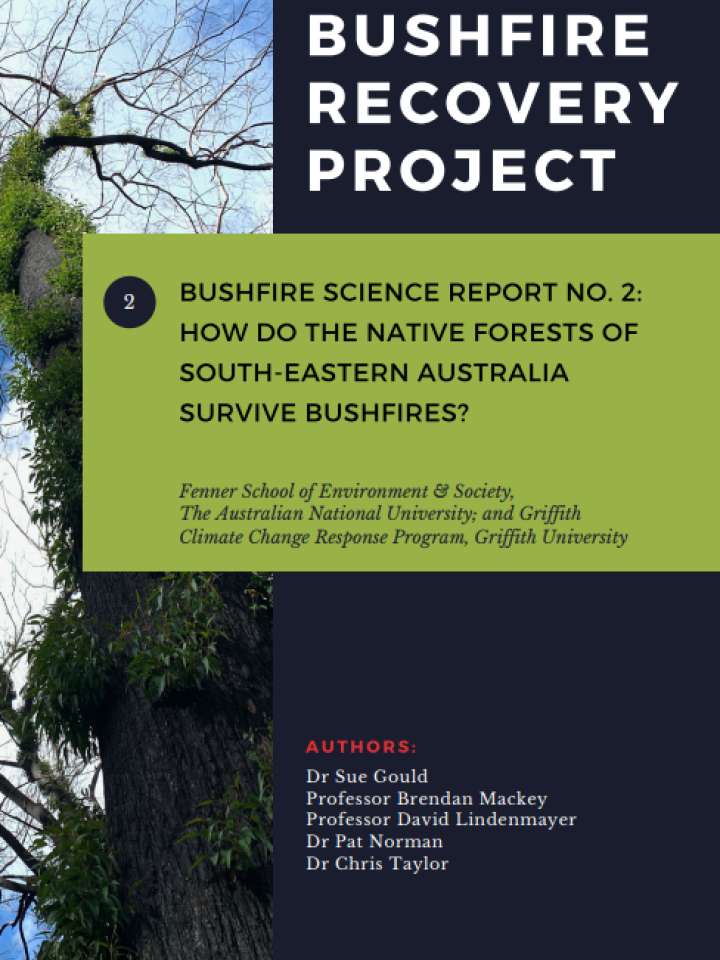
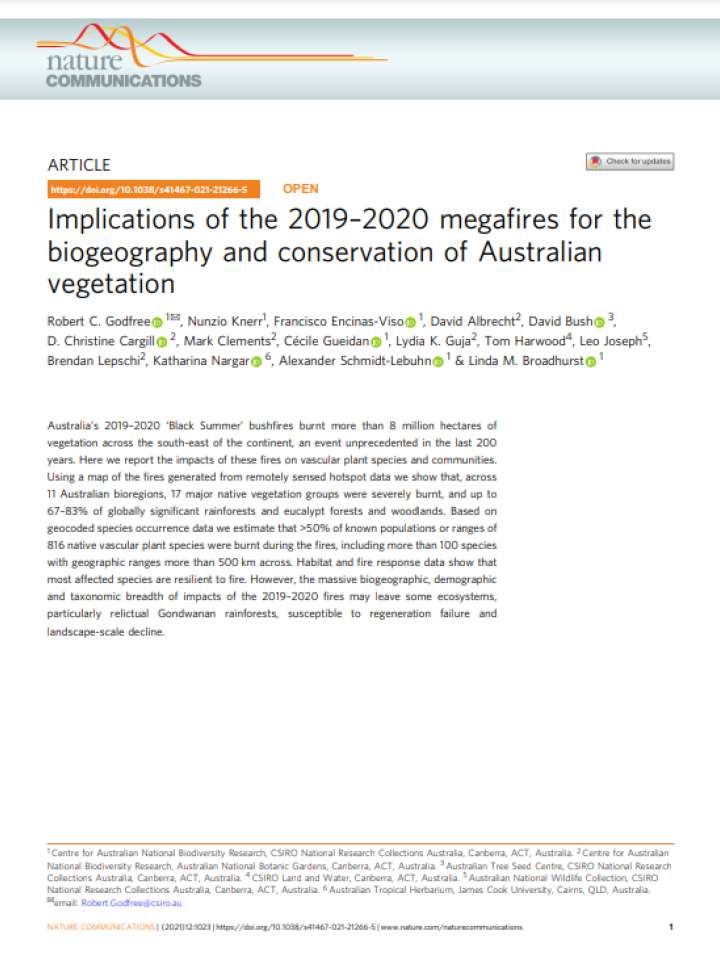
This report is one of a series of Bushfire Science Reports prepared by the Bushfire Recovery Project, presenting the latest evidence from the scientific literature about bushfires, climate change and the native forests of southern and eastern Australia
This report explores how to value the environmental impacts of bushfires, illustrated with a simple analysis of how greenhouse gas emissions from bushfires reduce forest carbon (stocks), which are then partially restored through natural
regrowth (flows).
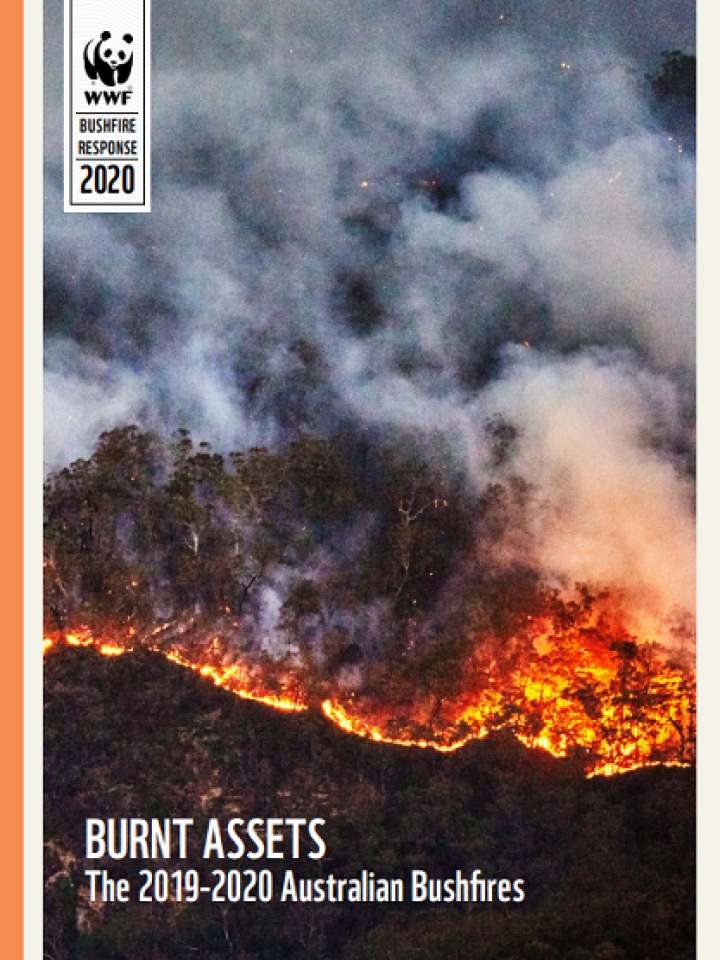
This document provides the overview of the World Wildlife Fund Australian Wildlife and Nature Recovery Fund's response and recovery efforts for the 2019-2020 Bushfires in Australia.
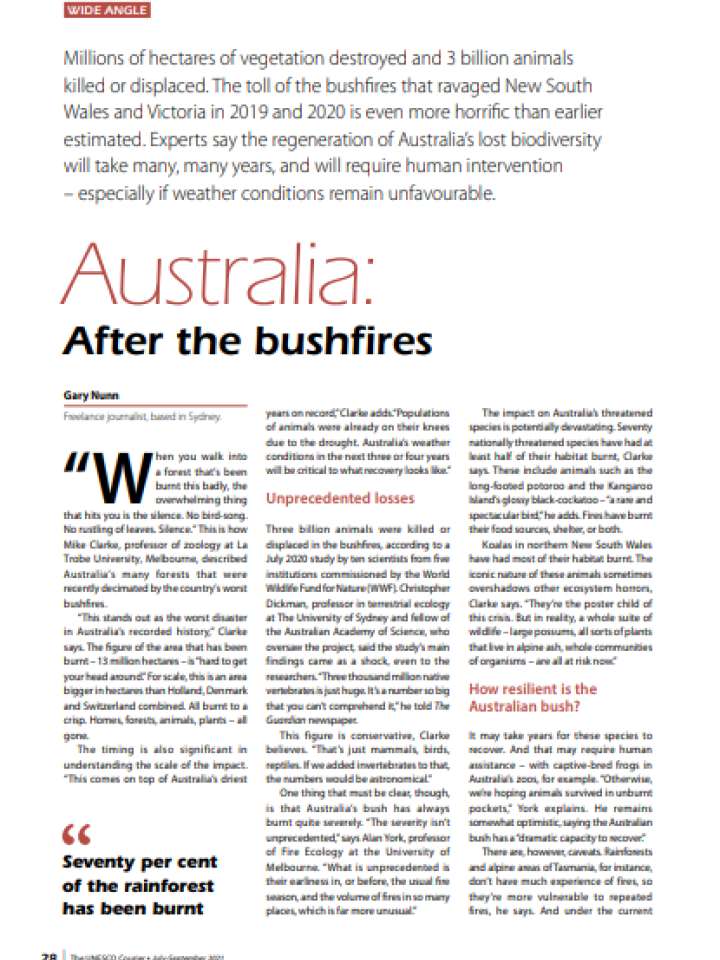
This article of the UNESCO Courier focusing on restoring biodiversity and reviving life, shares the story of the effects of 2019-2020 bushfires on the biodiversity in Australia.
United Nations Educational, Scientific and Cultural Organization (UNESCO)
This Report tells the story of the Yorketown, Cudlee Creek, Kangaroo Island and other fires in 2019-2020 and the achievements of the early recovery phase across the four domains of recovery: social, economic, built environment and the natural environment.
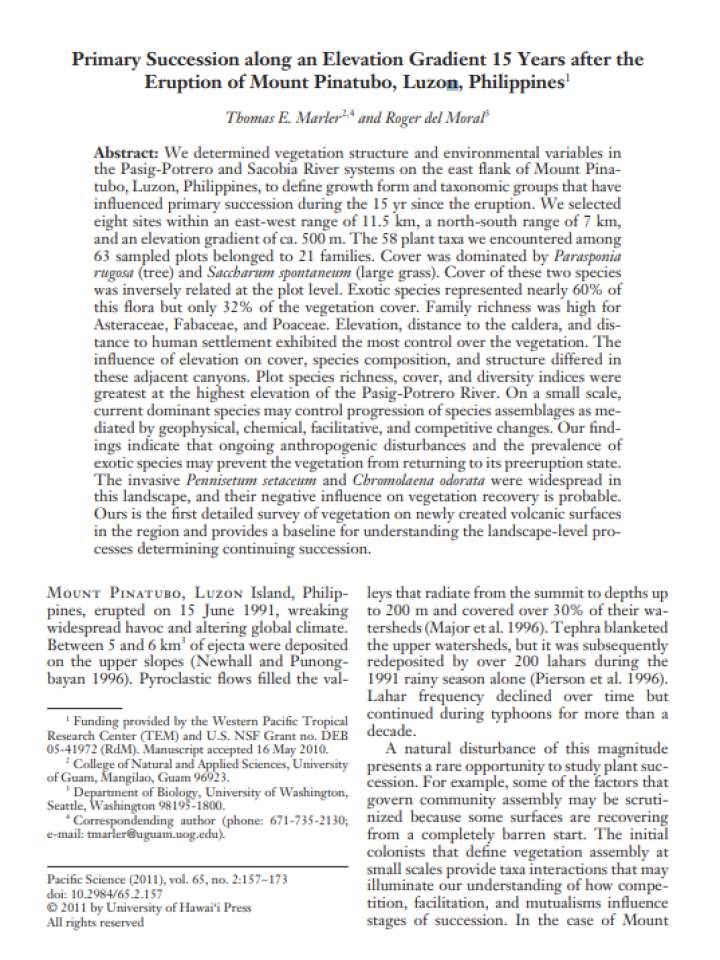
This is the detailed survey of vegetation on newly created volcanic surfaces in the Mount Pina-tubo, Luzon, Philippines and provides a baseline for understanding the landscape-level processes determining continuing succession.