This review analyses some of the major events and trends related to natural disasters and humanitarian disaster response and looks at the experience of developed countries with natural disasters in 2011.
This document states that UNICEF is requesting over US$ 24 million in its 2012 Consolidated Appeal to address immediate humanitarian needs associated with prolonged displacement, the cholera outbreak, and preparedness for the next hurricane season and the
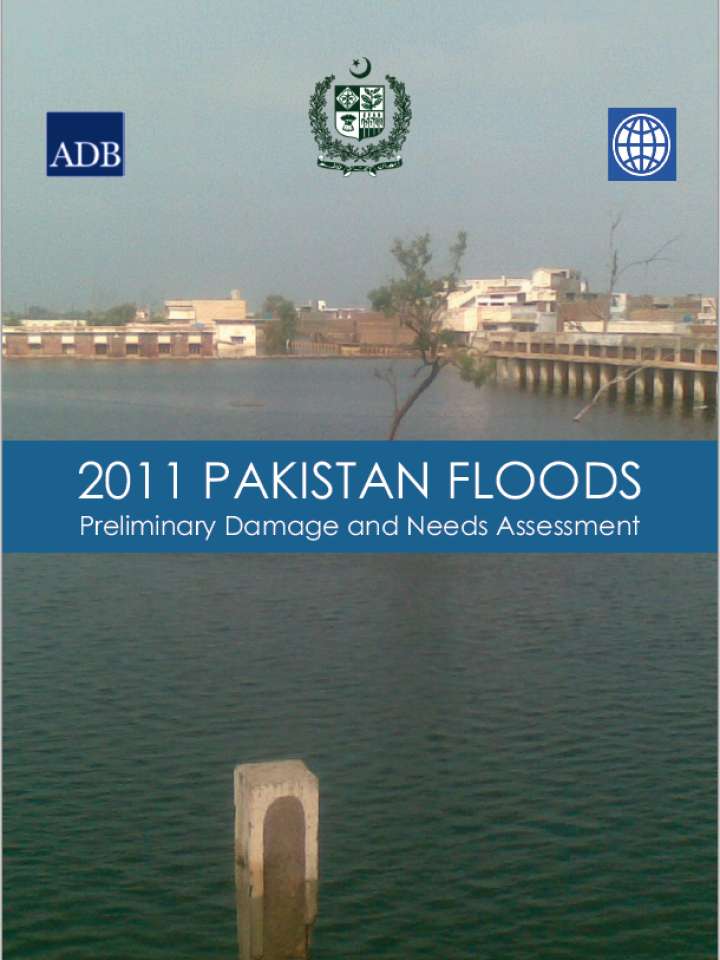
This Damage and Needs Assessment provides a summary of the damage caused by the 2011 flood in Pakistan and what is necessary for recovery in each sector, including housing, education, and infrastructure.
Pakistan - government
Global Facility for Disaster Reduction and Recovery, the (GFDRR)
This document asserts that there is an increasing evidence that climate change has an impact on natural disasters, such as flooding, and on agricultural production, both of which have implications for gender issues. It briefly reviews issues related to
The policy covers the broad subjects of vulnerability assessment, mitigation, preparedness, response and recovery, which constitute “comprehensive disaster management”.
This book was published for launch at the third Session of Global Platform for Disaster Reduction (GPDR) and it is the latest in a series of volumes addressing natural disasters, and how their impact can be reduced by effective capacity building and
United Nations Office for Disaster Risk Reduction (UNDRR)
This handbook re-examines the role of women in disaster risk management in the practical context of Bangladesh. In this handbook, an attempt was made to illustrate their achievements along with their risks in a very easy and communicable way. It proposes
Oxfam International Secretariat
Network for Information Response and Preparedness Activities on Disaster
This report presents the consequences, one month after, of the "Great Eastern Japan Earthquake" and tsunami that took place in Japan on March, 11 2011. It is intended to help understand the damages and losses caused by the earthquake and the tsunami on human, housing and building, especially on children and school buildings.
This document examines the lessons learned from the Indian Ocean tsunami and looks at how the world can be better prepared and take wiser decisions when homes, livelihoods, and communities must be restored or replaced. It documents what went wrong for
This case study highlights the extent to which Practical Action
Sri Lanka’s housing intervention reflects a climate smart disaster risk management (CSDRM) approach and whether this has led to an opening of inclusive spaces and citizen engagement on