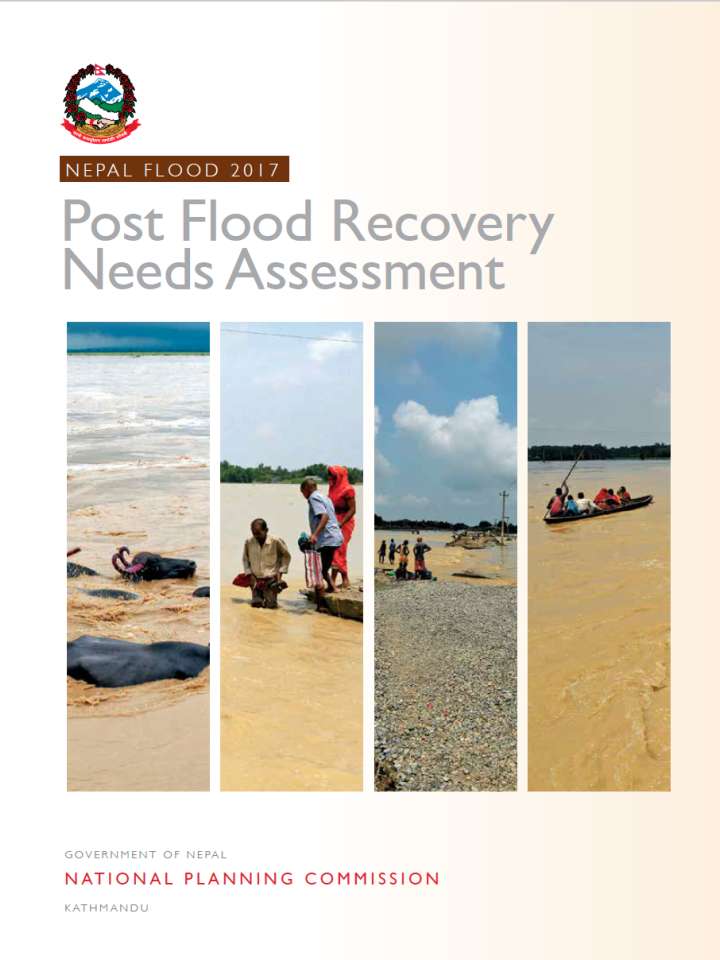
The Post Flood Recovery Needs Assessment offers an objective basis for recovery planning and measures for reducing future risks. It estimates the impact of the 2017 floods that affected the Terai region and to identify medium-term recovery needs.
Nepal - government
Global Facility for Disaster Reduction and Recovery, the (GFDRR)
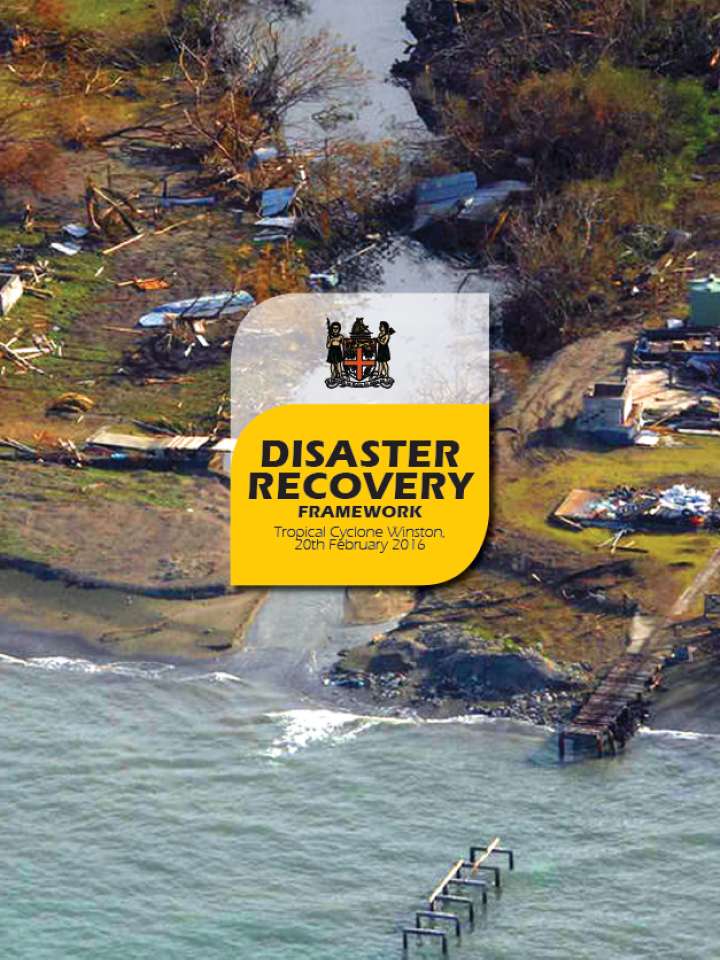
This DRF guides the planning and implementation of recovery programmes and projects, providing overall direction to the government, the private sector, development partners, civil society and communities.
This policy brief looks at climate-related migration from the disability perspective to understand the unique characteristics of people with disabilities (PWDs), as well as factors that need to be taken into account to address the vulnerability and needs
This report describes and assesses the experience of Ofunato, Japan, which was devastated by the 2011 Great Eastern Japan Earthquake. With facilitation by the NGO Ibasho, elders and other community members planned and built the Ibasho Café, which now acts as a hub that is restoring the fabric of a community still badly damaged by the disaster. This report provides lessons learned that are applicable to other actors that want to support community-driven approaches that empower elders to contribute to their communities and strengthen resilience.
World Bank, the
Global Facility for Disaster Reduction and Recovery, the (GFDRR)
This report presents the findings from Work Package 3 (WP3, Vulnerability) of the STREVA (Strengthening Resilience in Volcanic Areas) project’s research conducted in the communities surrounding La Soufriere Volcano in the island of St. Vincent, West
This policy brief seeks to examine the case of Fukushima evacuees, with a special focus on the question of return, and attempts to make policy recommendations specifically tailored for the nuclear displacement. It explores ways in which genuine durable solutions can be found for their case in line with international protection guidelines for Internal Displacement Persons (IDPs).
This report, written for the United Nations Development Programme in Nepal, empirically assesses the contemporary landscape of disability in Nepal, with a focus on the unique challenges faced by persons with disabilities (PwDs) in the wake of the earthquakes that devastated Nepal in April and May of 2015.
As reconstruction begins in Nepal after 2015 Earthquake, this paper looks at land rights and resettlement, and considers Nepal’s opportunity to ‘build back better’ and ensure greater land equality, especially for marginalized people, such as the Dalit caste, indigenous groups (Janajatis), many of whom are also landless, and women. It presents recommendations to help address historic social inequalities and rebuild a stronger more equal Nepal.
This report presents a detailed and qualitative assessment of housing, land and property (HLP) challenges and implications for the post-earthquake recovery in Nepal. It examines how right holders are identified in Nepal, how plots are registered and managed, and which laws are applicable (and applied in practice) in the country.