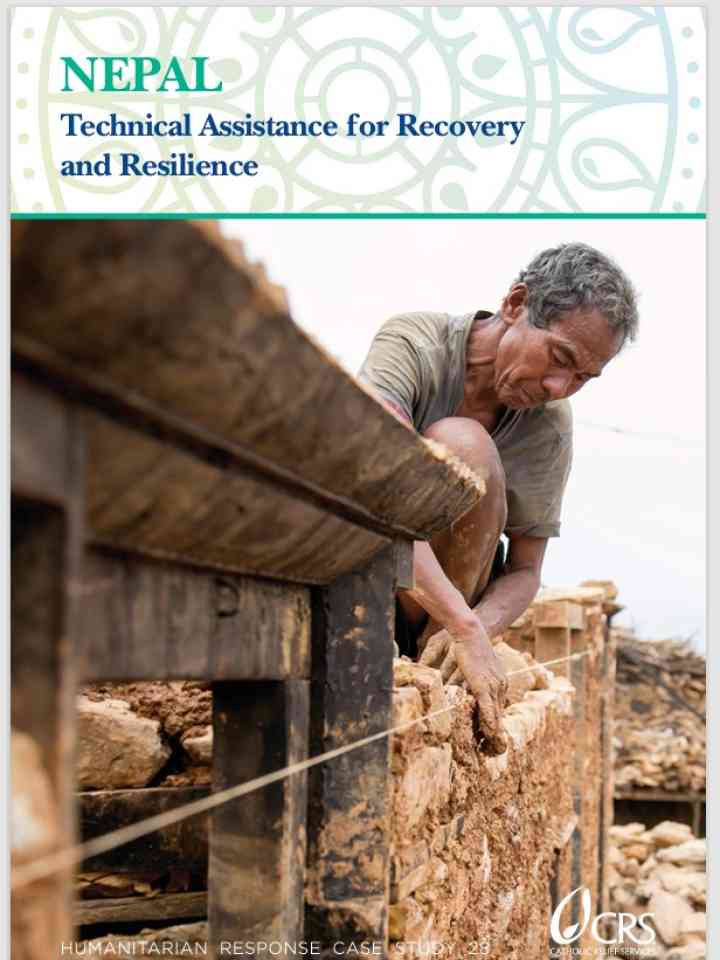
This is a report on the Gorkha Recovery and Resilience Program (GRRP), implemented by the CRS to rebuild lives and livelihoods of families affected by Nepal's devastating 2015 earthquake.
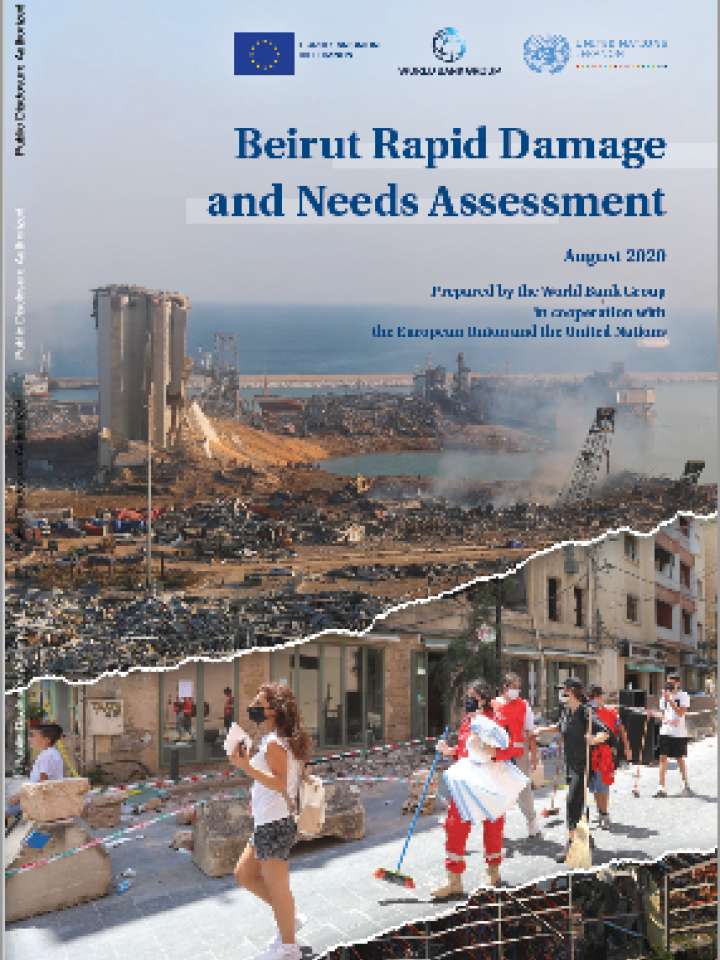
This Rapid Damage and Needs Assessment (RDNA) estimates the impact on the population, physical assets, infrastructure and service delivery, following the explosions in the Port of Beirut in August 2020.
World Bank, the
Global Facility for Disaster Reduction and Recovery, the (GFDRR)
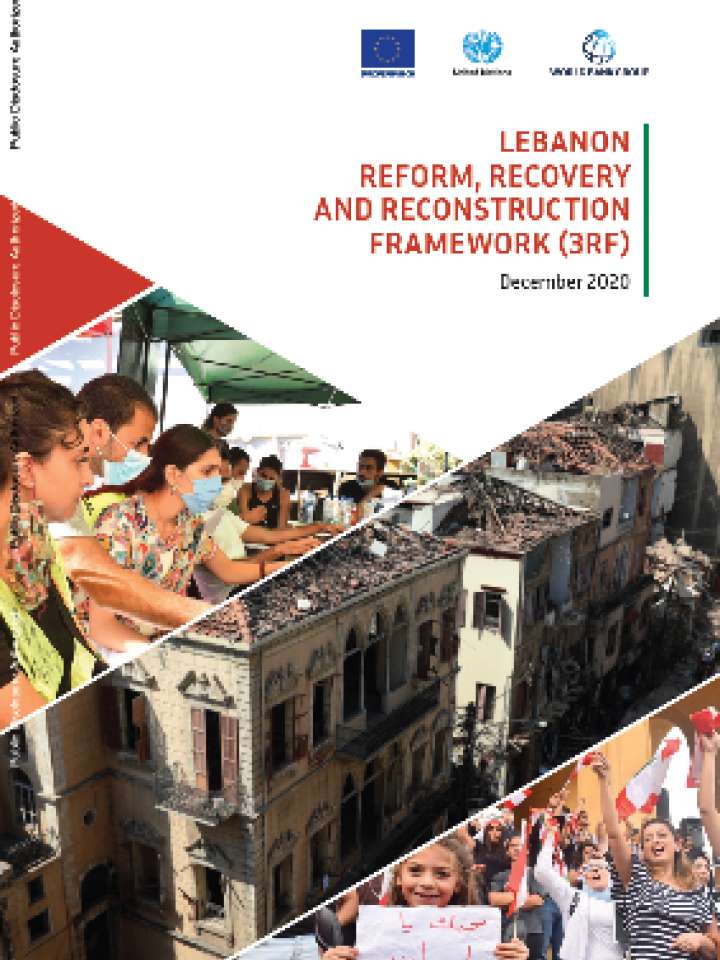
The framework for Reform, Recovery and Reconstruction (the 3RF) is a people-centered recovery and reconstruction framework, and a part of a comprehensive response to the massive explosion on the Port of Beirut on August 4, 2020.
World Bank, the
United Nations Development Programme (UNDP)
Global Facility for Disaster Reduction and Recovery, the (GFDRR)
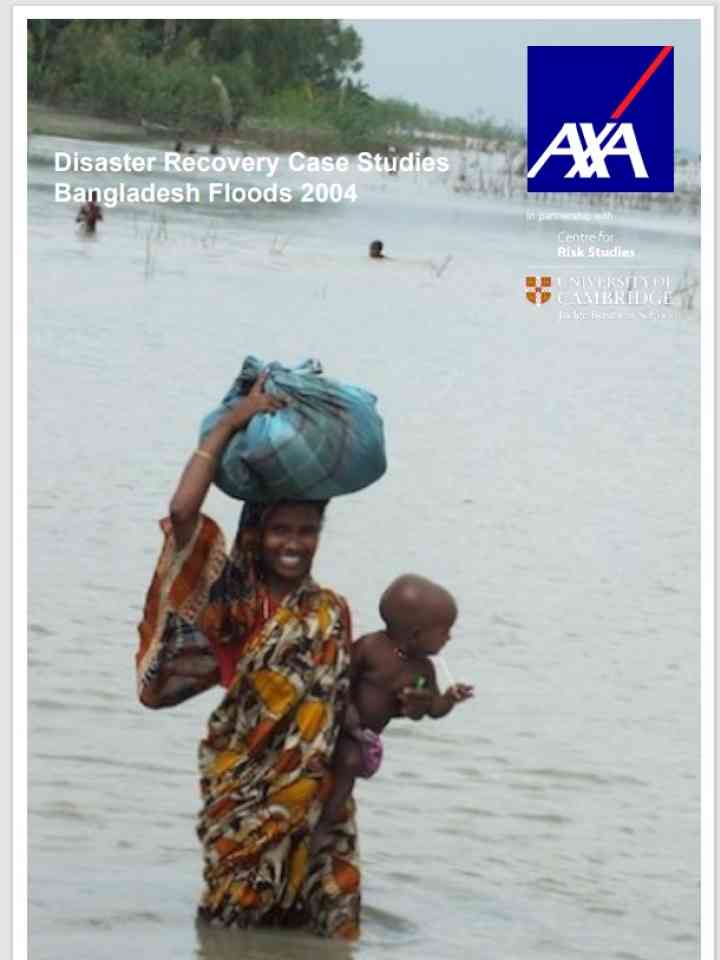
The 2004 floods in Bangladesh severely impacted over 36 million people, exacerbating poverty and economic challenges while highlighting the need for improved disaster management and insurance mechanisms to enhance recovery and resilience.
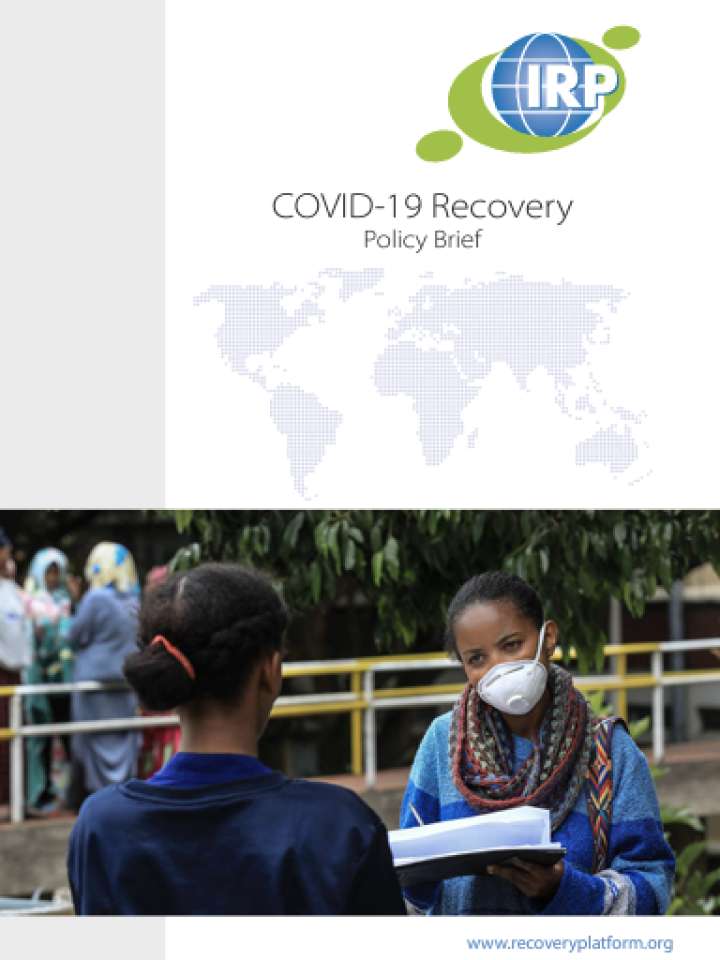
This brief is offered to define the COVID-19 recovery context and to supplement existing guidance with key principles and practices to guide recovery planning.
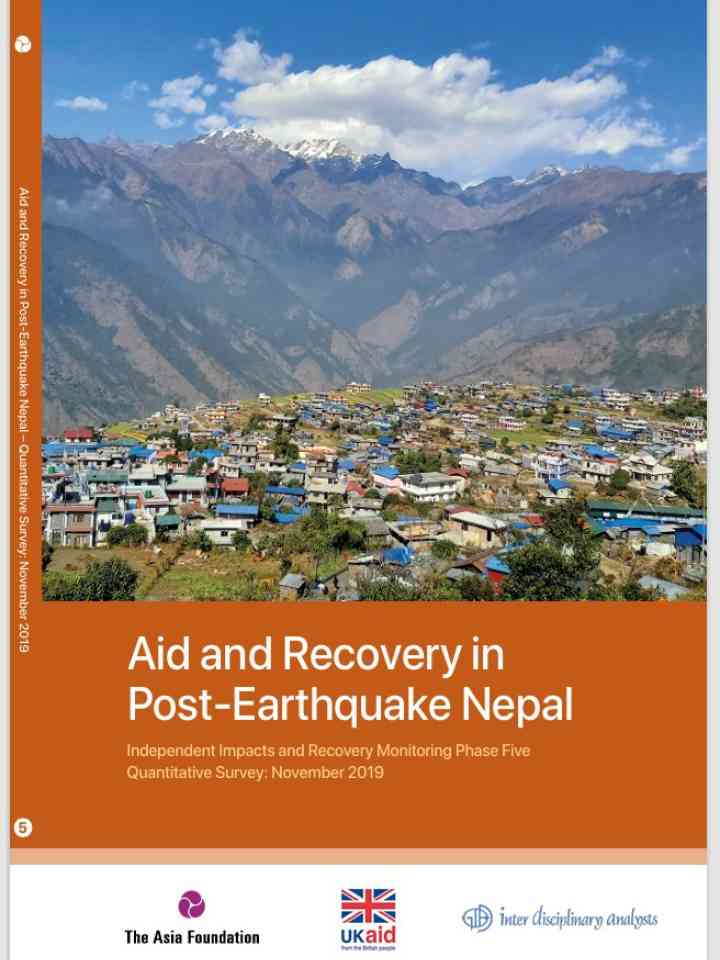
This report provides findings from a large-scale survey conducted in 11 earthquake-affected districts in September and October 2019, four and a half years after two devastating earthquakes hit Nepal in April and May 2015.
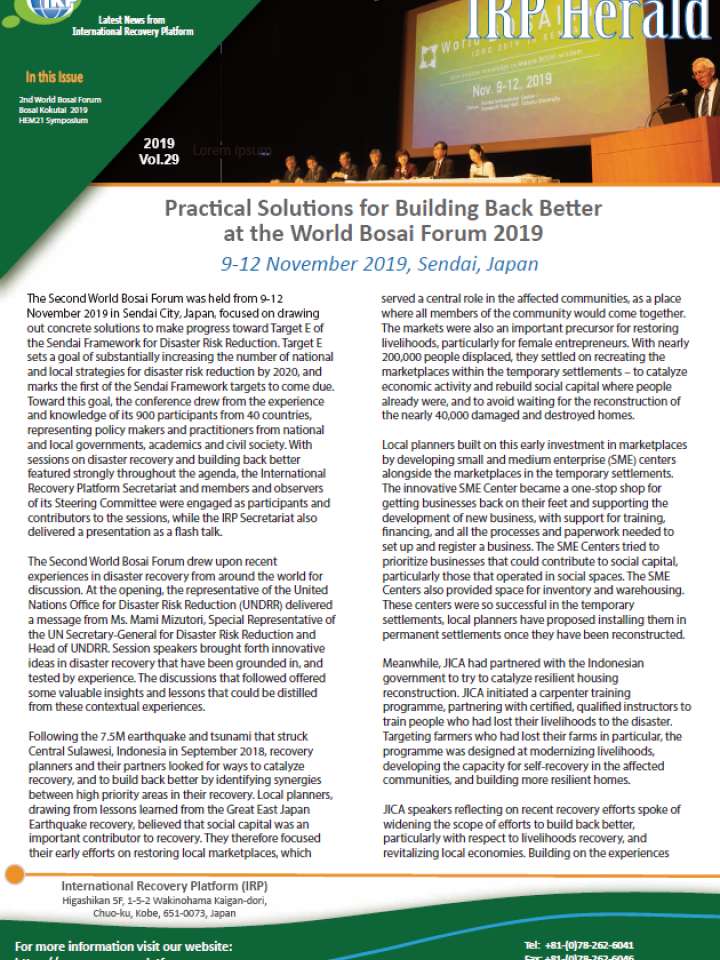
IRP Herald Volume 29 serves as the knowledge report for the World Bosai Forum 2019, the Fourth National Conference on Promoting Disaster Risk Reduction (Japan), and the Hyogo Earthquake Memorial Symposium.
This study examined life in disaster reconstruction public housing and clarified how residents’ impressions of reconstruction relate to their sense of recovery and internal satisfaction.
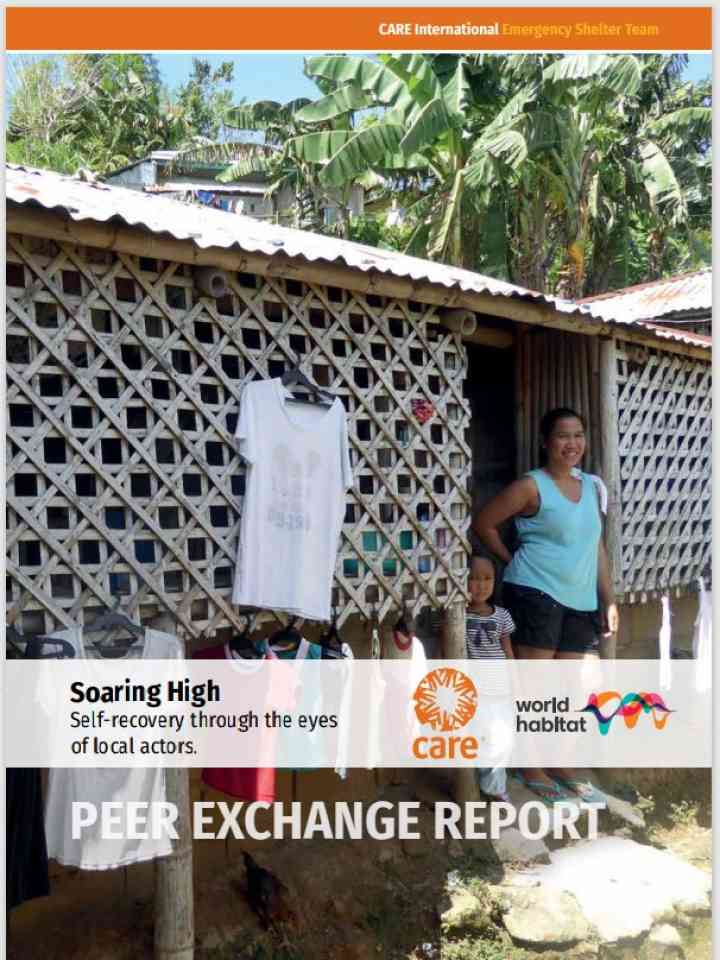
The report reflects on self-recovery from Super-Typhoon Haiyan that is the strongest typhoon ever to make landfall. It displaced more than four million people and destroyed or damaged over one million homes.
Cooperative for Assistance and Relief Everywhere - International Secretariat