This paper examines the concept of recovery and ‘building back better’ in the context of the Caribbean, paying particular attention to the experience of the selected countries.
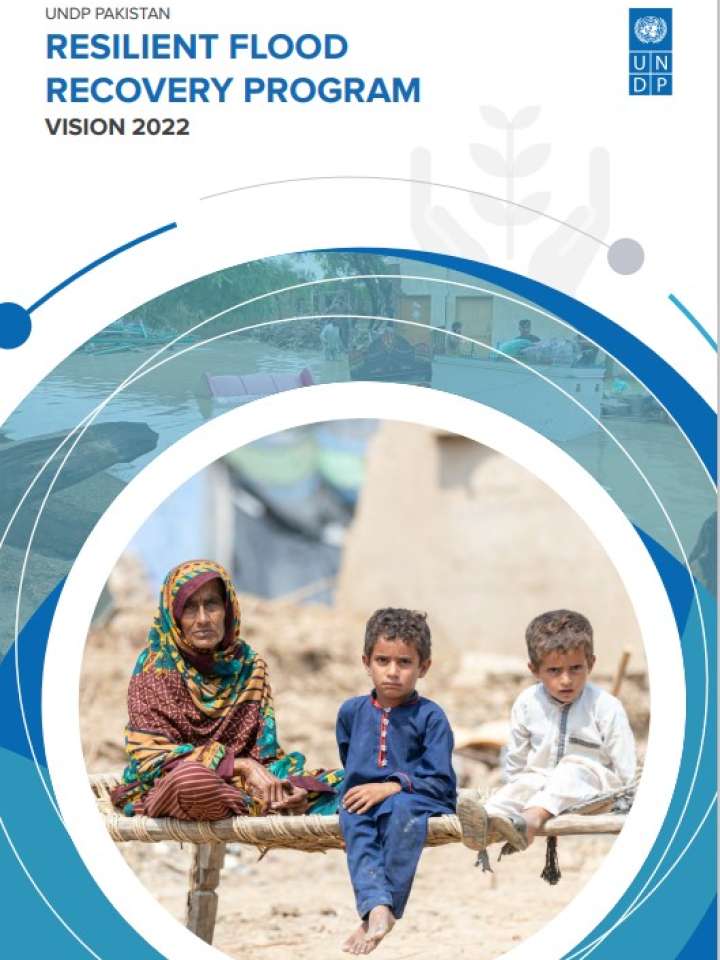
This publication outlines a UNDP's approach to recovery from the 2022 floods in Pakistan, including infrastructure, livelihoods, integration of climate action and disaster risk reduction to safeguard vulnerable communities.
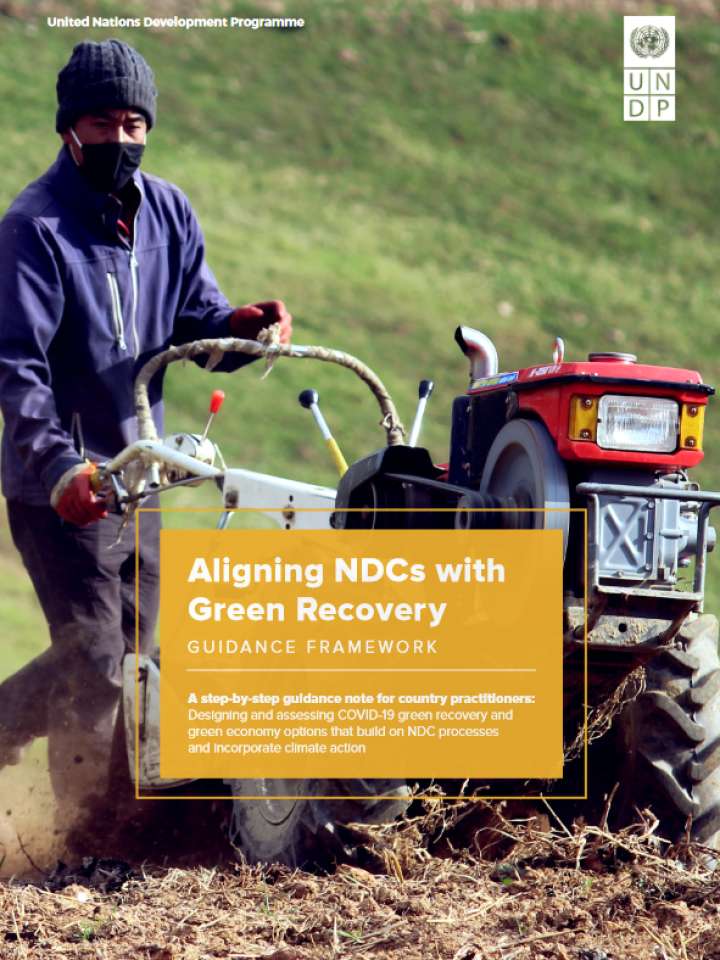
The objective of this document is to present a step-by-step framework to support countries to design and assess green recovery and green economy options that build on NDC processes and incorporate climate action.
This document is intended to guide local authorities and First Nations as they plan for postdisaster recovery. It is scalable and can be used from a small event (e.g. single apartment fire) to a large event (e.g. wildfire event).
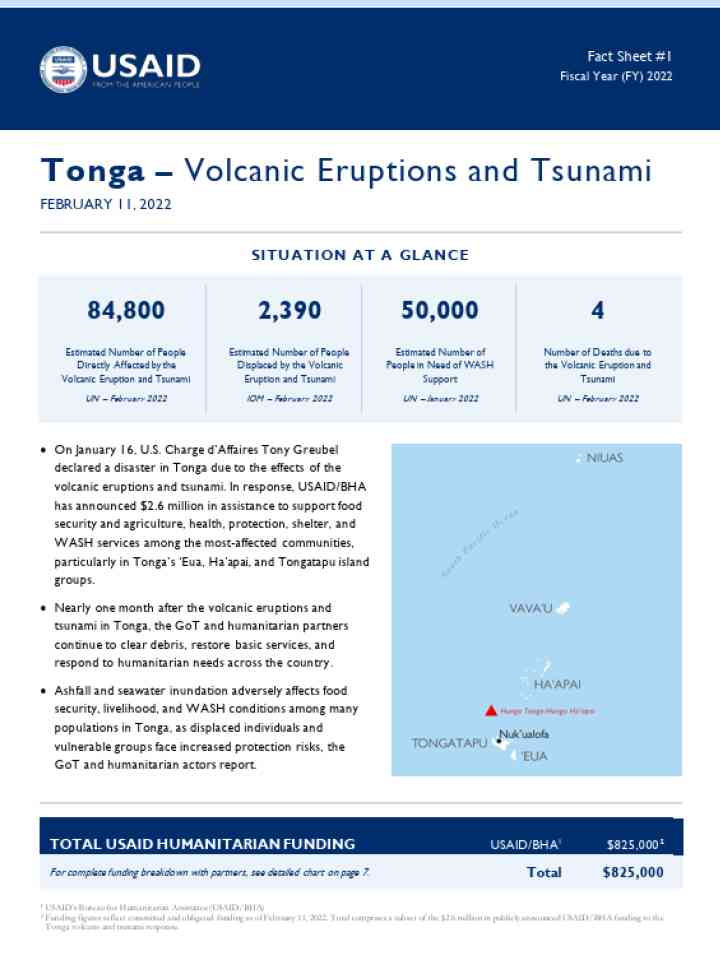
These fact sheets outline humanitarian impacts, priority needs, and response actions following the Hunga Tonga–Hunga Haʻapai volcanic eruptions and tsunami in January 2022.
United States Agency for International Development (USAID)
This review submitted for the MTRSF presents a stocktaking of progress and challenges experienced in the BBB component of Priority 4, and a prospective review of new and emerging issues, priority challenges to be addressed, and priority actions.
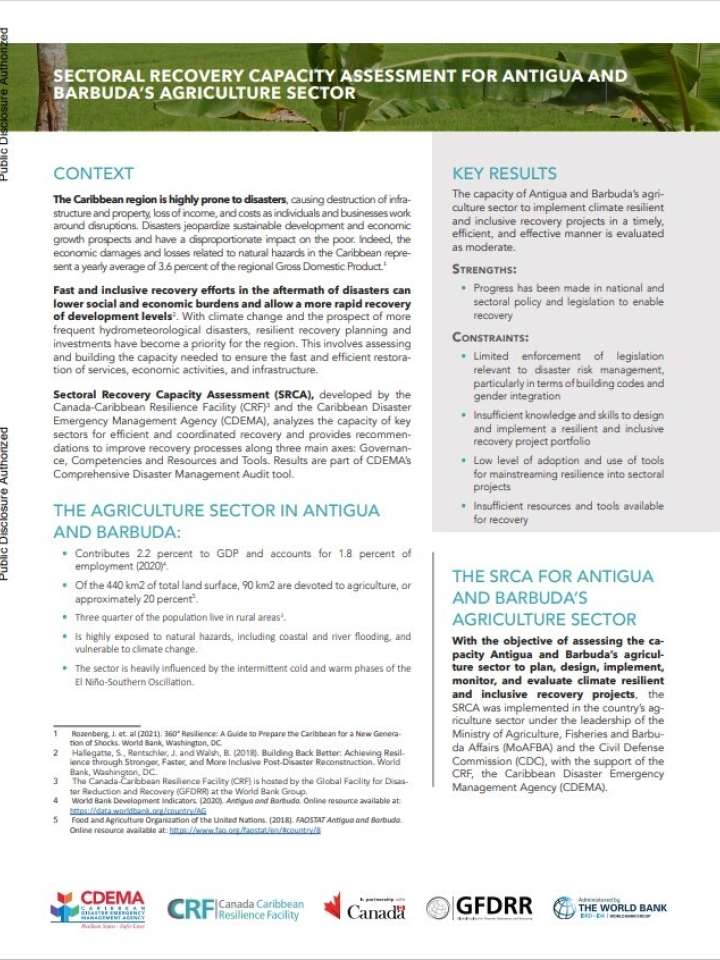
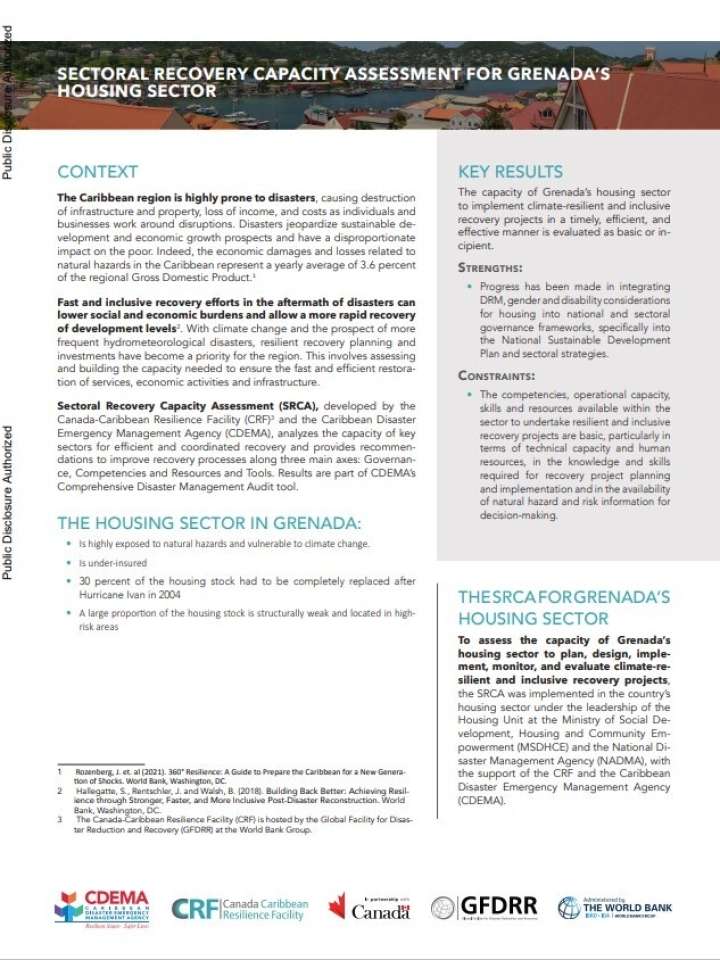
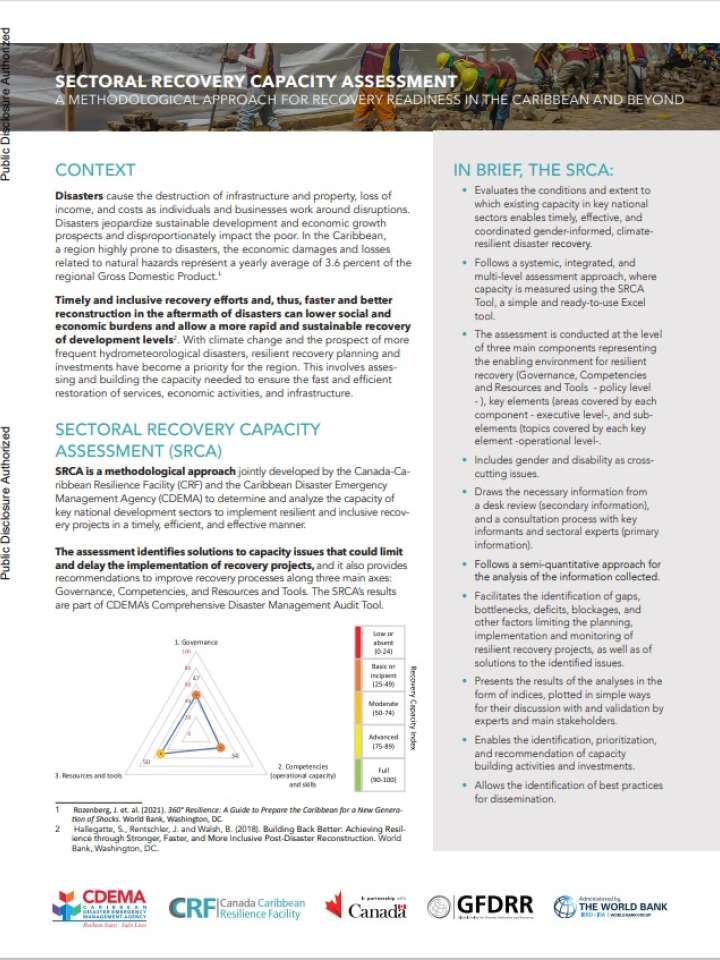
This document summarizes the Sectoral Recovery Capacity Assessment, a methodological approach to determine and analyze the capacity of key sectors to implement resilient and inclusive recovery projects in a timely, efficient, and effective manner.
World Bank, the
Caribbean Disaster Emergency Management Agency
Global Facility for Disaster Reduction and Recovery, the (GFDRR)
Caribbean Catastrophe Risk Insurance Facility, the