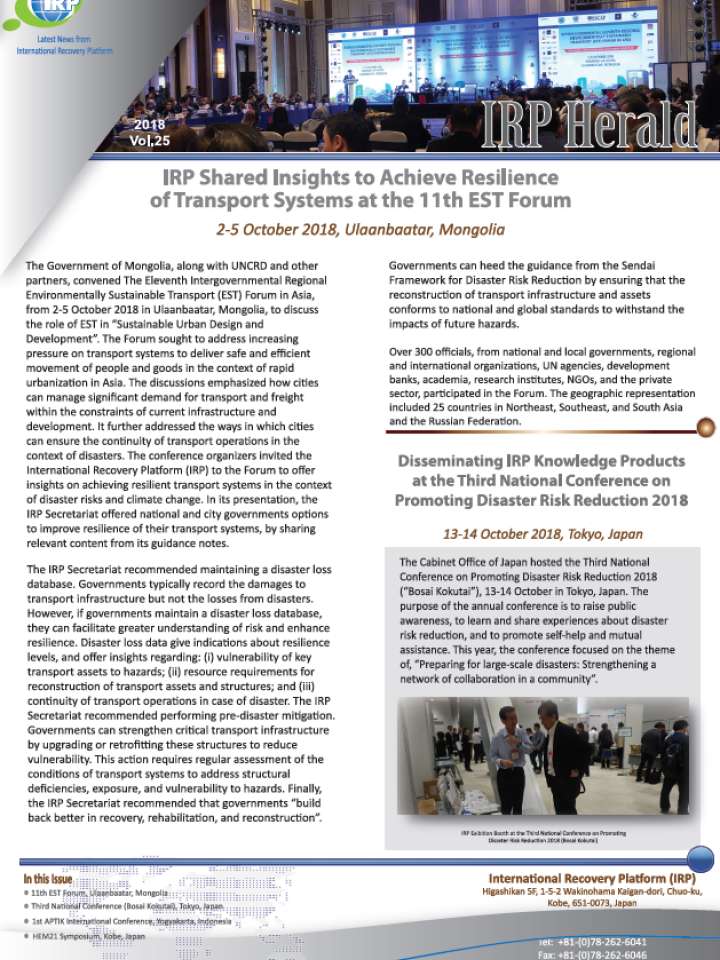
IRP Herald Volume 25 is the knowledge report for IRP's work at the 11th Intergovernmental Regional Environmentally Sustainable Transport (EST) Forum in Asia.
The Queensland State Disaster Management Plan outlines how Queensland will prevent, prepare, respond to and recover from disasters. It emphasises the need for consultation, collaboration and communications by all disaster management stakeholders to ensure all Queenslanders, property and the environment are safeguarded from the impact of disasters.
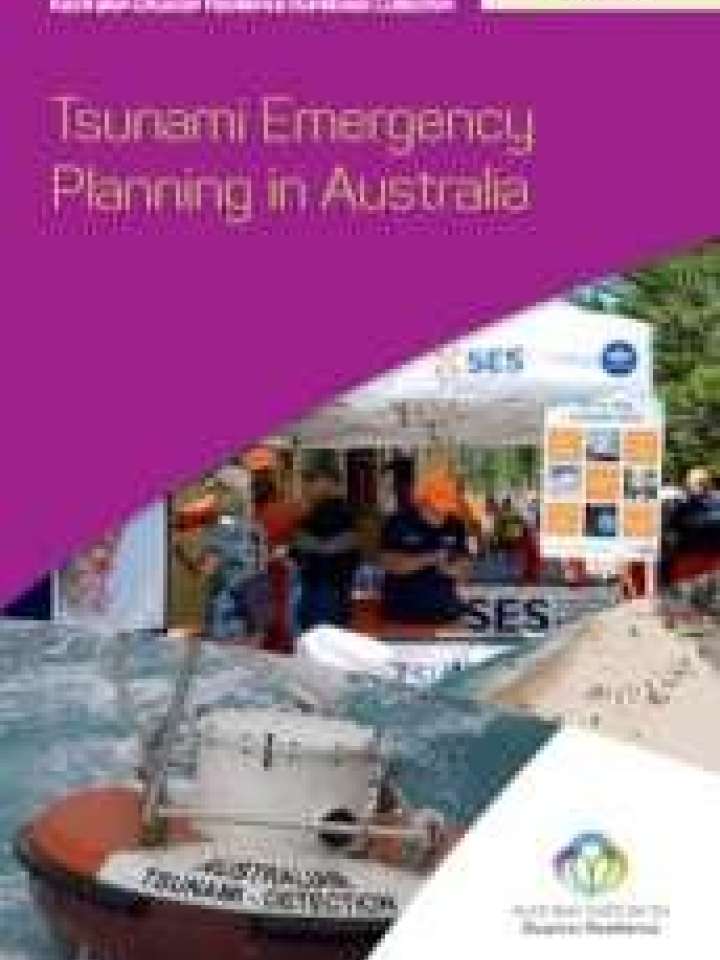
This handbook is a guide to the key principles of tsunami preparedness. Its purpose is to enhance the capacity and knowledge of emergency managers with regards to emergency planning for tsunami in Australia. The handbook outlines the key scientific information and principles of risk assessment, warning systems, emergency planning, community education, response management and recovery, in the context of tsunami. The handbook may assist emergency and coastal managers to develop emergency risk management strategies to deal with the threat of tsunami.
Australian Institute for Disaster Resilience (AIDR)
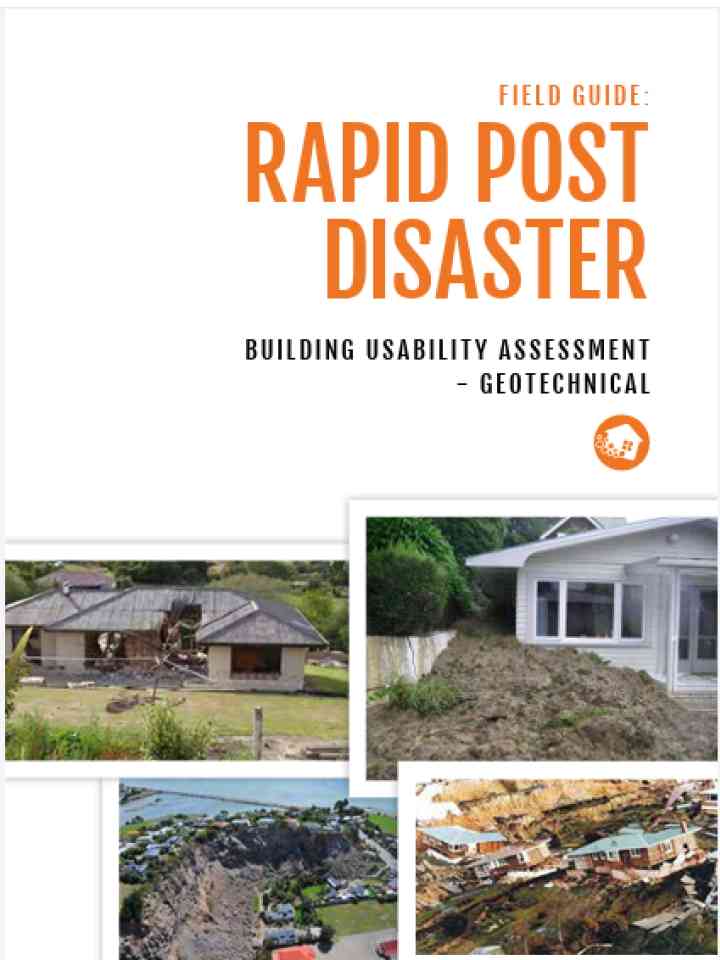
The objective of the rapid building assessment is to generate a consistent approach and terminology for geotechnical assessments during the rapid building assessment process.
Ministry of Business, Innovation and Employment - New Zealand
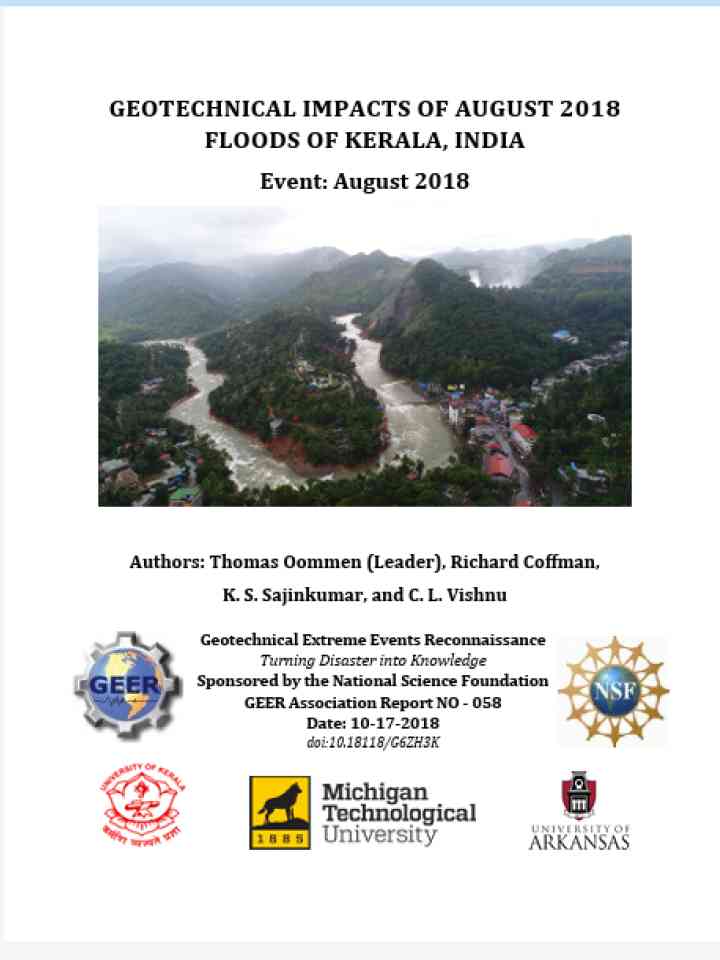
The reconnaissance study to gather perishable data was carried out from September 4th to 9th, 2018. The team traveled to three districts that have been affected by the disaster (Alleppey, Idukki, & Ernakulam).
Geotechnical Extreme Events Reconnaissance Association (GEER)
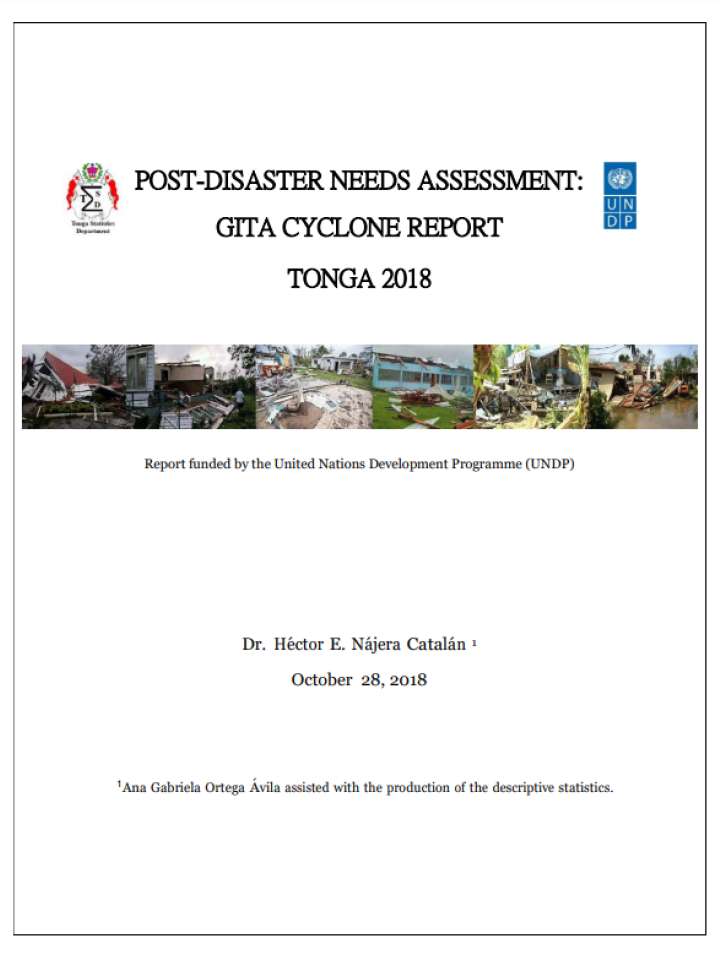
This document uses the post-disaster data collected by the Statistical Department of Tonga to describe the characteristics of the affected population, nature and spatial concentration of the damage by the Cyclone Gita, and the aid required and received.
Based on a case study of the flood disaster of the river Danube in 2013, and particularly the Bavarian city of Deggendorf, this study investigates the role of social vulnerability in recovery projects and planning.
This report contains the findings of a study commissioned by agencies of the United Nations to obtain credible information on the conditions in which people affected by the Chernobyl accident are living fifteen years after the explosion, and to make recommendations as to how their needs can best be addressed in the light of this information.
World Health Organization (WHO)
United Nations Development Programme (UNDP)
United Nations Office for the Coordination of Humanitarian Affairs
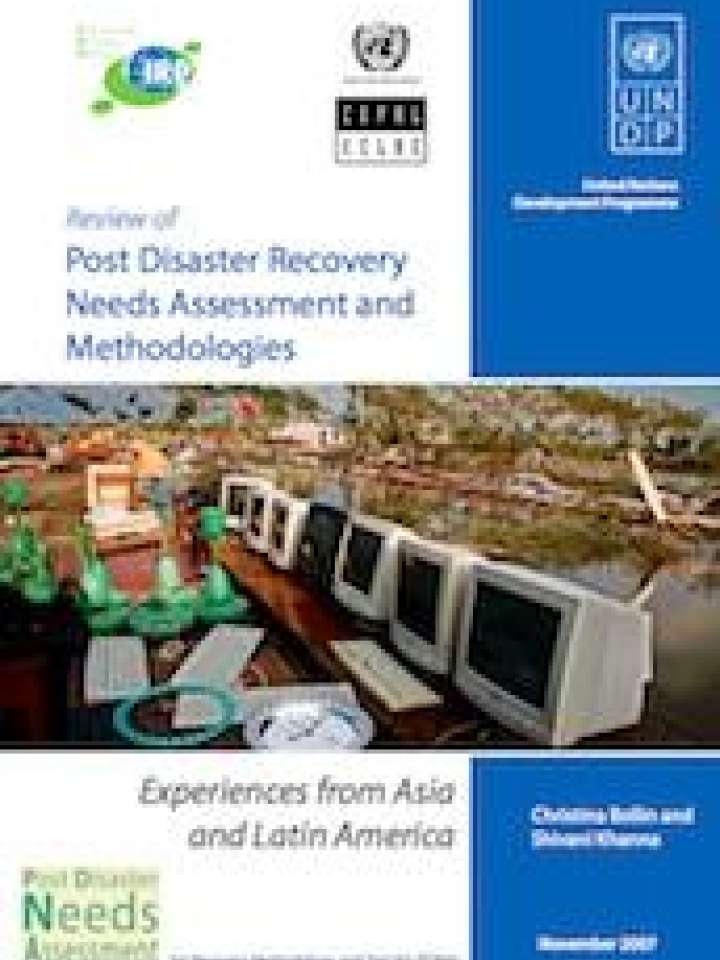
This document reviews existing and emerging recovery needs assessment methodologies and tools at the international and local levels, which includes methodologies used by different stakeholders, especially during recent disasters in Asia and Latin America.