This report provides a detailed breakdown of the key affected sectors and the extent of damage sustained in the aftermath of Typhoon Damrey. It identifies the reconstruction and recovery needs, and recommends a clear recovery strategy.
World Bank, the
Global Facility for Disaster Reduction and Recovery, the (GFDRR)
The Somalia Recovery and Resilience Framework (RRF) is a strategic initiative that supports Somalia’s journey from early drought recovery to long-term resilience and disaster preparedness.
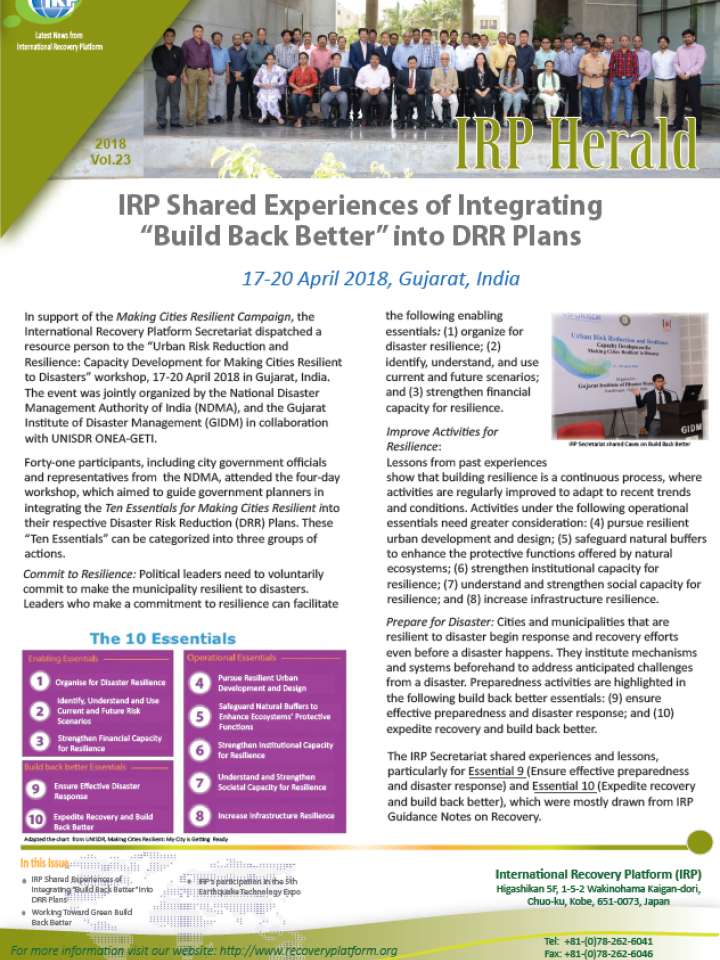
IRP Herald Volume 23 is the knowledge report for IRP engagement in the workshop of Urban Risk Reduction and Resilience: Capacity Development for Making Cities Resilient to Disasters in Gujarat, India.
This paper uses qualitative case study analysis to explore post-quake transformations in a rural context. The aim is to gain insight into the distinctive dynamics of disaster response mechanisms, focusing on two initiatives.
The purpose of this Environmental Assessment and Review Framework is to provide a framework to review and assess environmental aspects of activities undertaken within a project, including preconstruction, construction and operational phases.
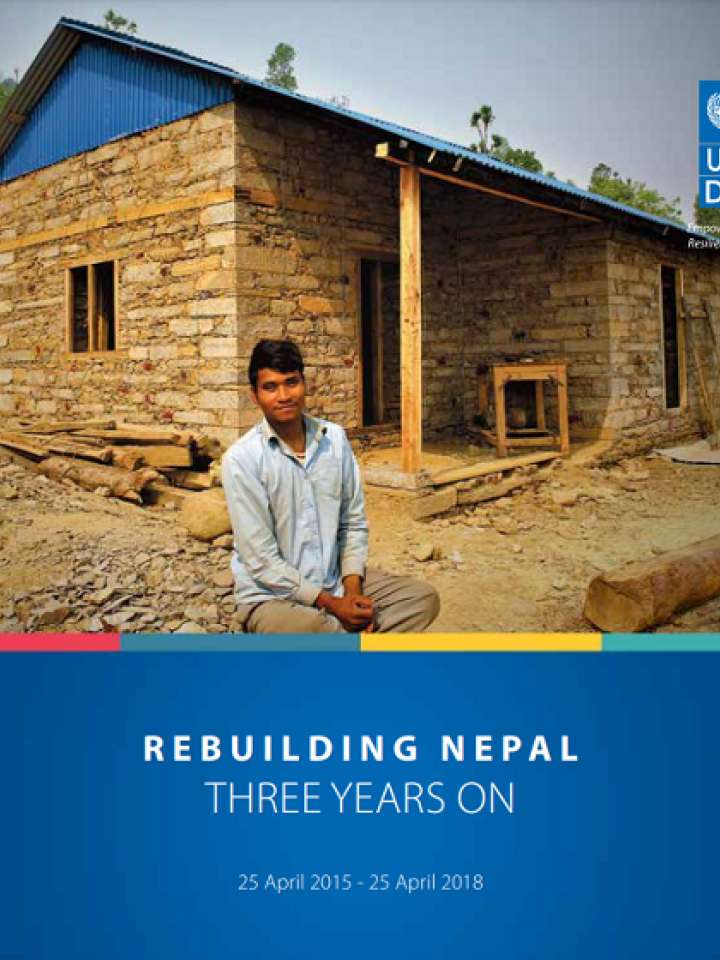
This booklet captures the key efforts undertaken and results achieved over the past three years by UNDP in line with the vision articulated in its Strategy for Earthquake Recovery Assistance for recovery from the 2015 Gorkha Earthquake in Nepal.
The GRADE approach provides required sectoral baseline information for the design of rehabilitation and reconstruction plans, based on an assessment of vulnerability and damage distribution of the affected infrastructure and assets.
Global Facility for Disaster Reduction and Recovery, the (GFDRR)
The Local Area Development Programme (LADP) was designed to address the main issues that hinder planning at the local level, the implementation of plans and related delivery of service to citizens of Iraq.
United Nations Human Settlements Programme (UN-HABITAT)