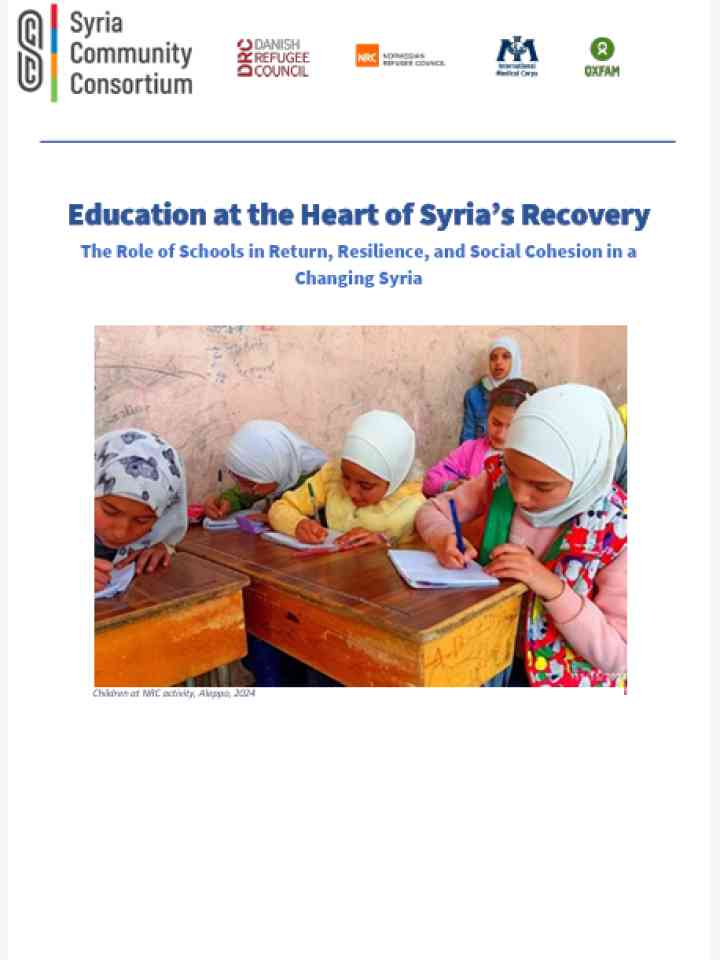
The policy brief highlights the importance of rebuilding Syria’s education system to support recovery, social cohesion, and the reintegration of returning displaced families.
This report examines how urban law can protect housing, land, and property (HLP) rights across the conflict cycle and support recovery, reconstruction, and resilience in conflict-affected cities.
United Nations Human Settlements Programme (UN-HABITAT)
The report analyzes the socio-economic impacts of conflict in Sudan, highlighting worsening food insecurity, displacement, and livelihood challenges based on the fourth round of the Welfare Monitoring Survey.
United Nations High Commissioner for Refugees (UNHCR)
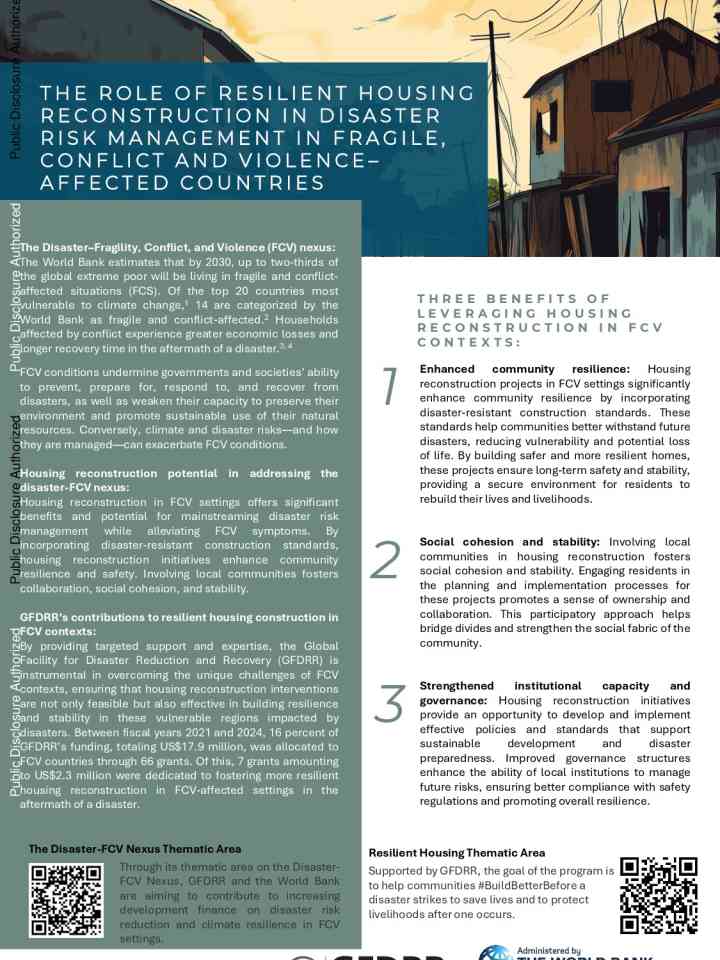
This factsheet outlines the critical role of resilient housing reconstruction in disaster risk management within Fragile, Conflict, and Violence (FCV) contexts.
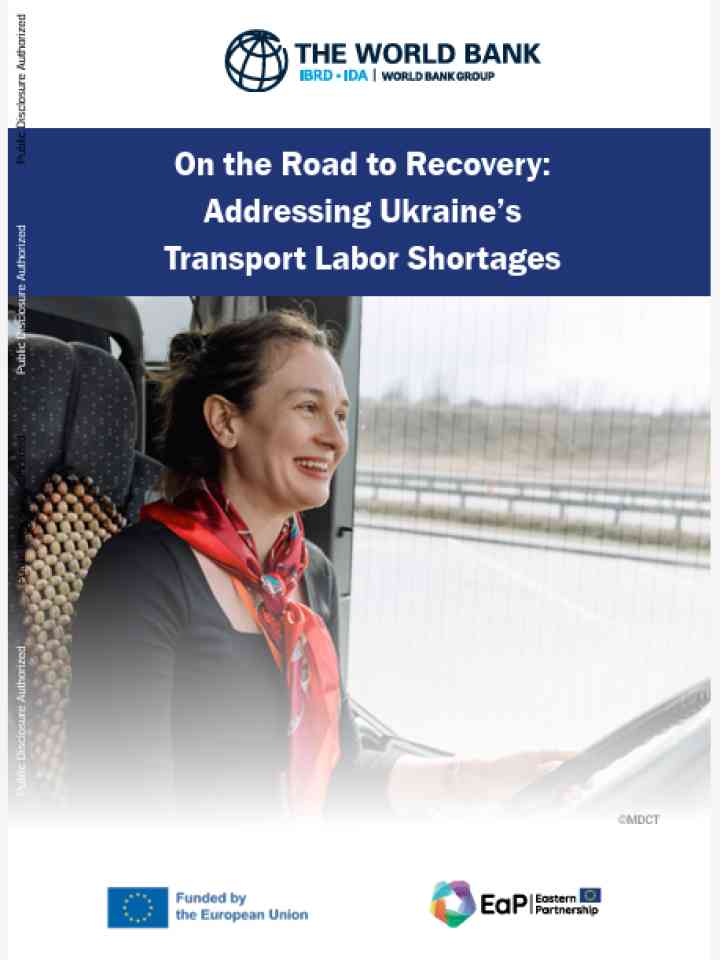
This report analyzes labor shortages in Ukraine’s transport sector during wartime and outlines policy recommendations to support workforce recovery, reconstruction, and economic resilience.
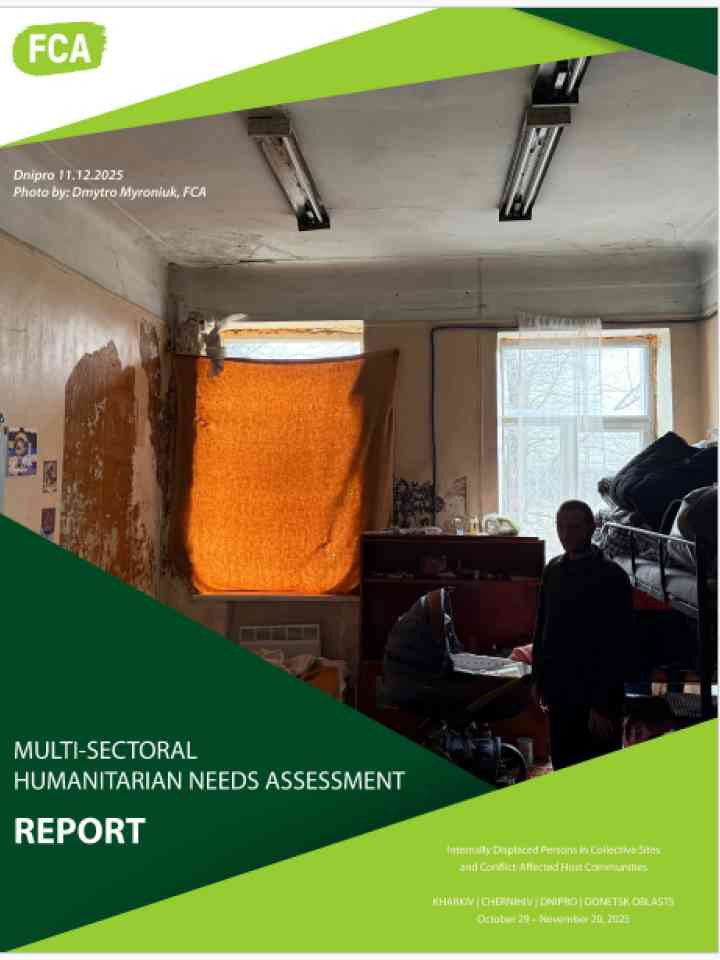
This report assesses humanitarian needs among internally displaced persons (IDPs) and host communities in conflict-affected regions of Ukraine, highlighting severe shortages in shelter, hygiene, infrastructure, winterization, and livelihoods.
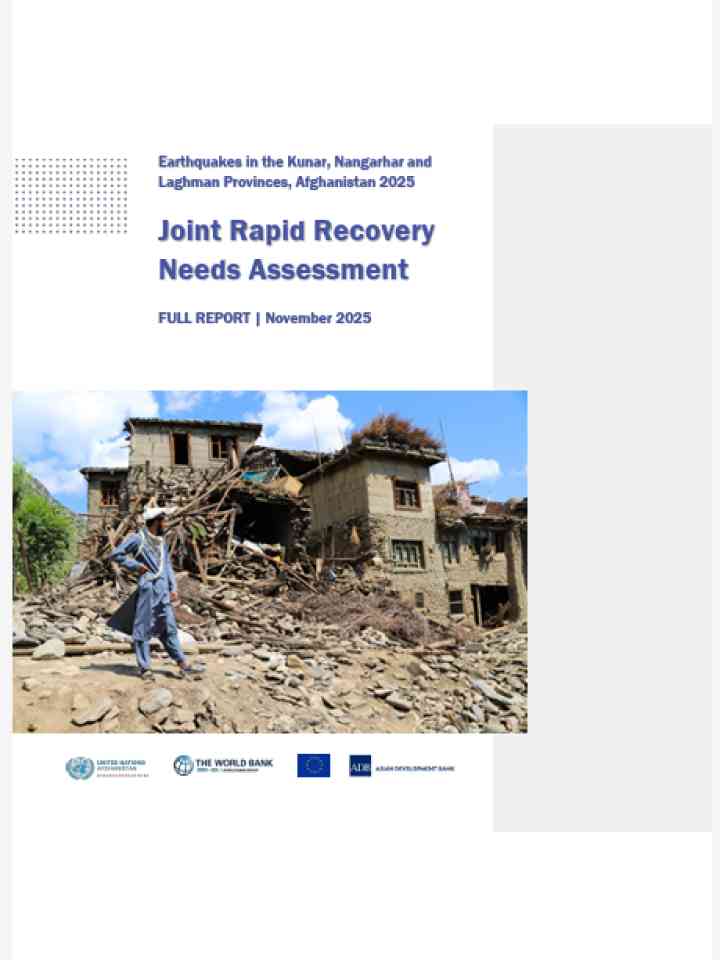
The report presents the Joint Rapid Recovery Needs Assessment (JRRNA) following the August 2025 earthquake in eastern Afghanistan, outlining damage, impacts, and priority recovery needs across key sectors.
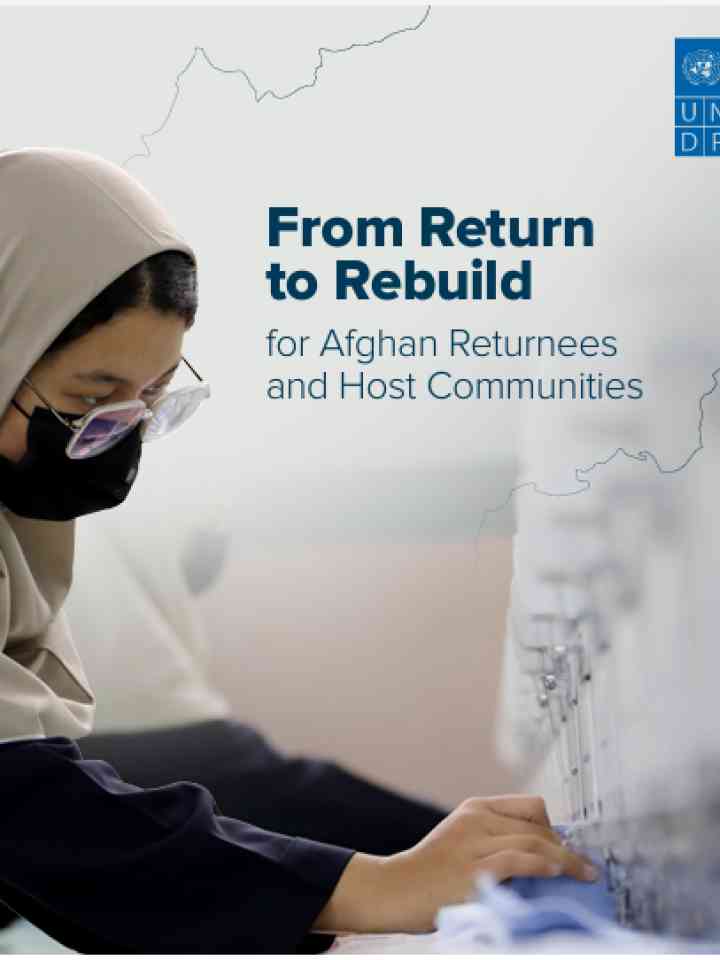
This policy paper analyzes the socio-economic pressures facing Afghan returnees and host communities amid large-scale returns, climate shocks, and earthquakes, and proposes area-based recovery solutions to strengthen resilience and social cohesion.
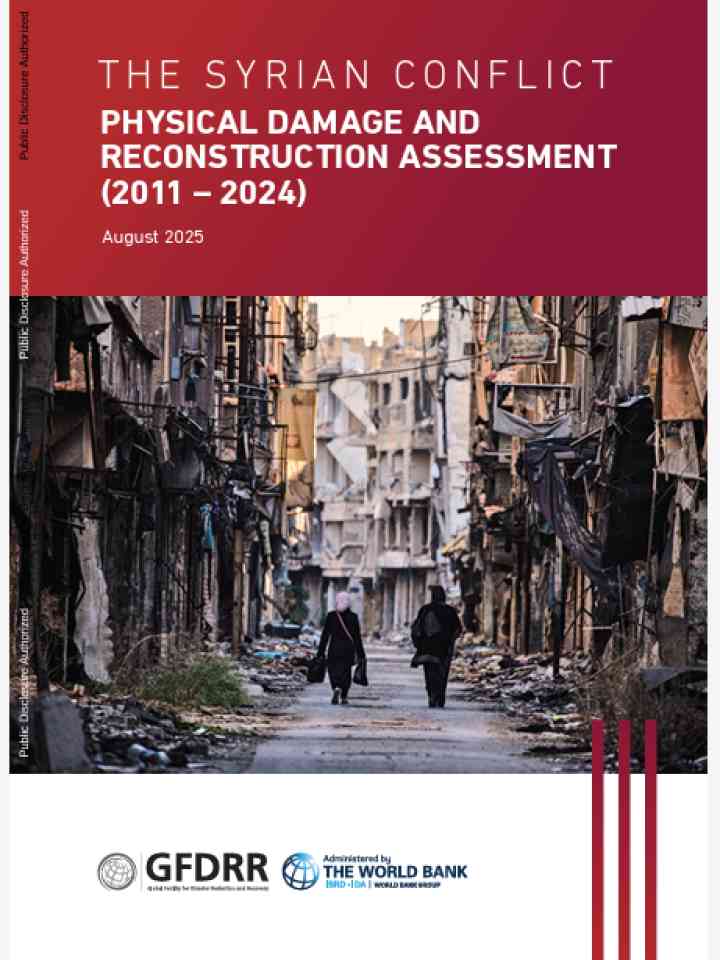
This report presents the results of a rapid damage and reconstruction assessment, conducted by the World Bank, related to the impacts of the 2011–24 conflict in Syria.
World Bank, the
Global Facility for Disaster Reduction and Recovery, the (GFDRR)
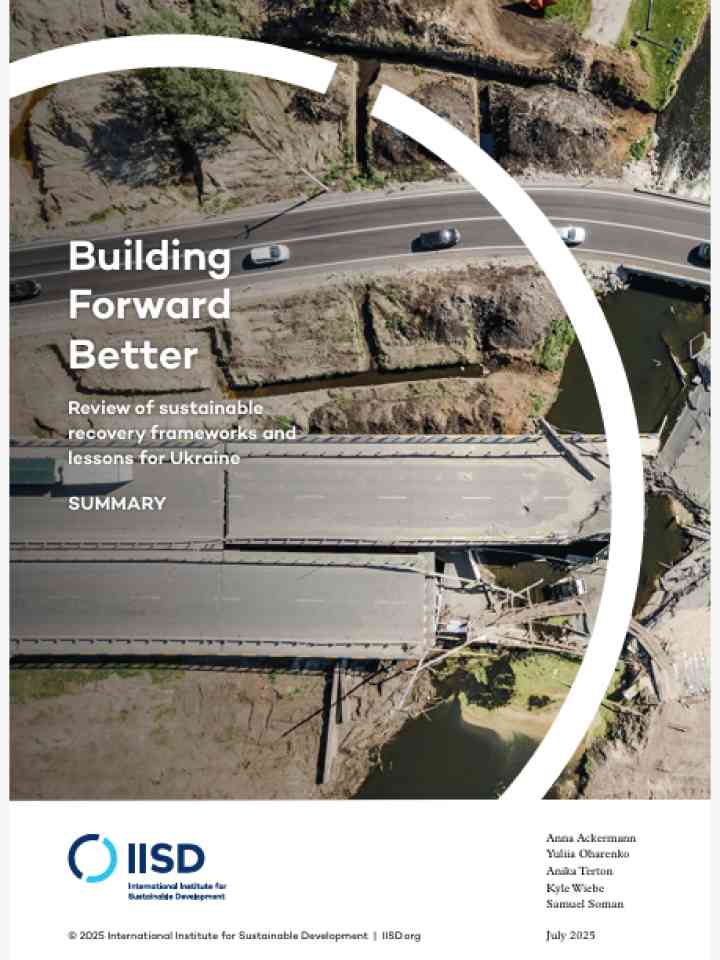
This report outlines principles, priorities, and policy options for Ukraine’s sustainable recovery, emphasizing resilience, inclusion, and alignment with long-term development and EU integration goals.
International Institute for Sustainable Development (IISD)