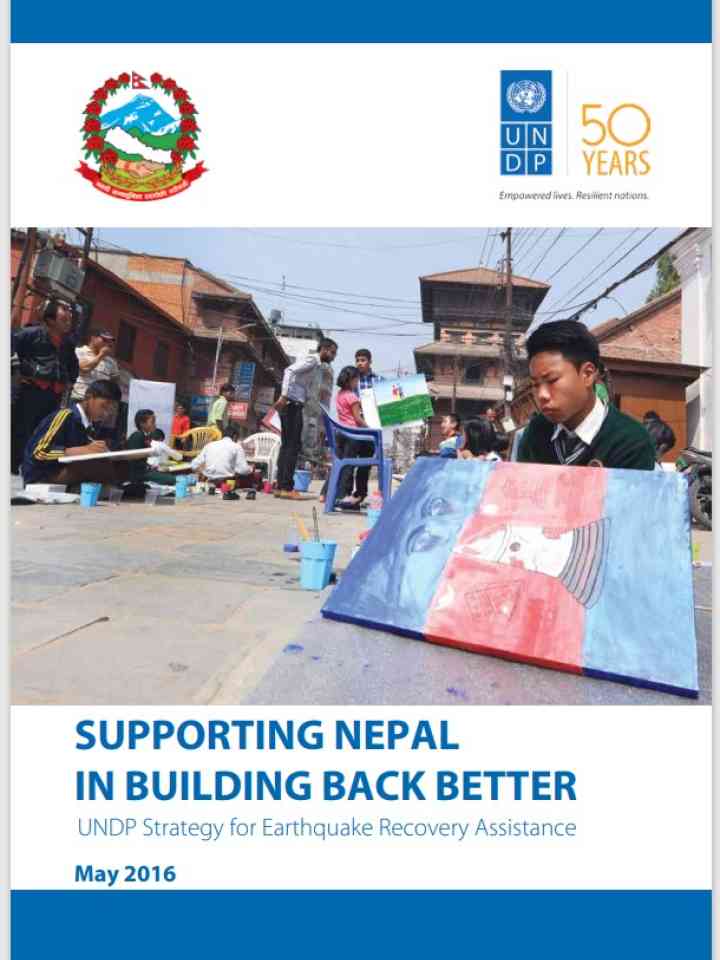
This report presents UNDP’s strategy with regard to earthquake recovery assistance in Nepal in order to help the country return to sustainable development pathways and build back better.
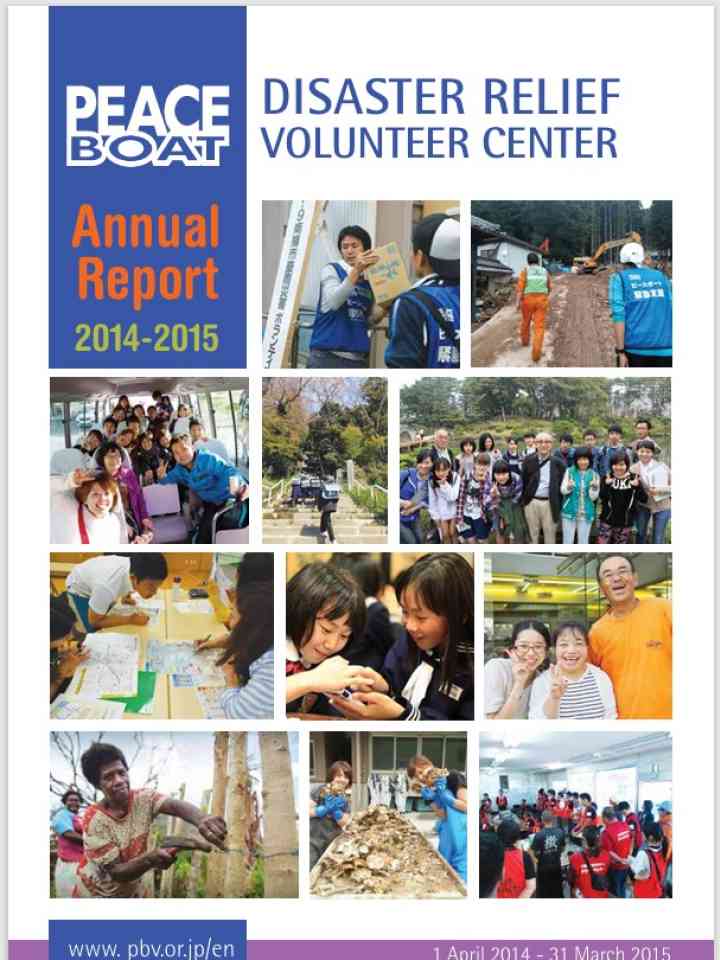
This is an annual report about Peace Boat Disaster Relief Volunteer Center (PBV) established in the wake of the Great East Japan Earthquake and Tsunami in 2011.
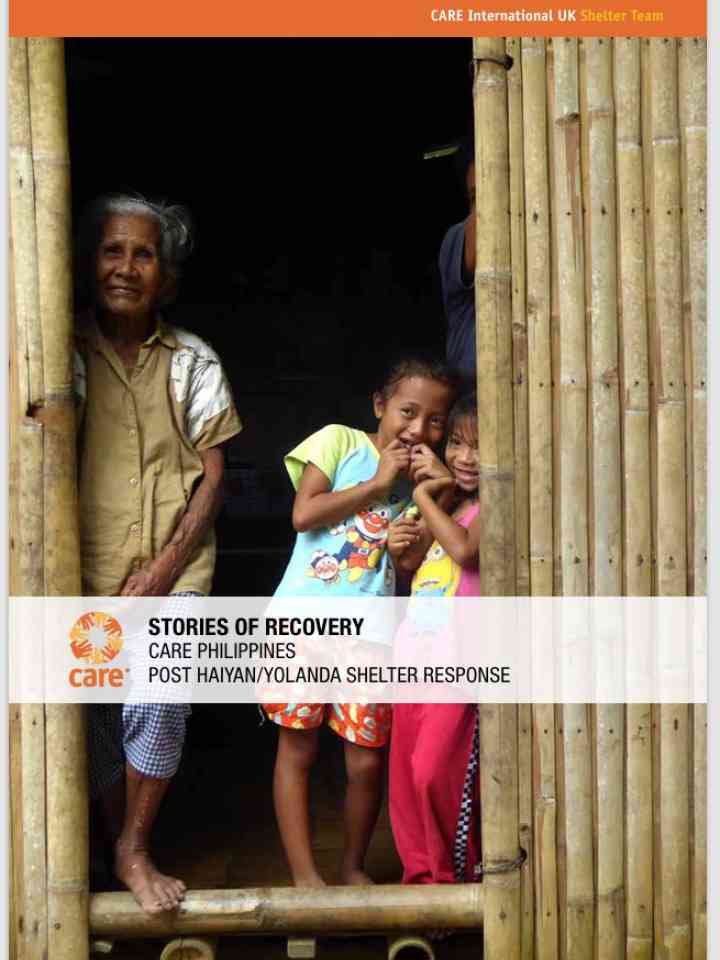
This report evaluates the shelter response which used a self-recovery approach, providing almost 16,000 families with cash, materials and tools and also analyses the relationship between shelter and livelihood programmes.
As reconstruction begins in Nepal after 2015 Earthquake, this paper looks at land rights and resettlement, and considers Nepal’s opportunity to ‘build back better’ and ensure greater land equality, especially for marginalized people, such as the Dalit caste, indigenous groups (Janajatis), many of whom are also landless, and women. It presents recommendations to help address historic social inequalities and rebuild a stronger more equal Nepal.
This issue of the newsletter is a compendium of perspectives and views by a group of students from Oxford Brookes University that visited 2 districts of Gujarat to study the long-term impacts of recovery from the 2001 earthquake. Contributions from John Twigg and other reputed academics are also included in this issue.
The PDNA of the 2014 Pico do Fogo volcanic eruption provides the country of Cabo Verde with an assessment based on an internationally accepted methodology for resource and partnership mobilization in order to recover and reconstruct after a disaster event
ACP-EU Natural Disaster Facility
Cabo Verde - government
Global Facility for Disaster Reduction and Recovery, the (GFDRR)
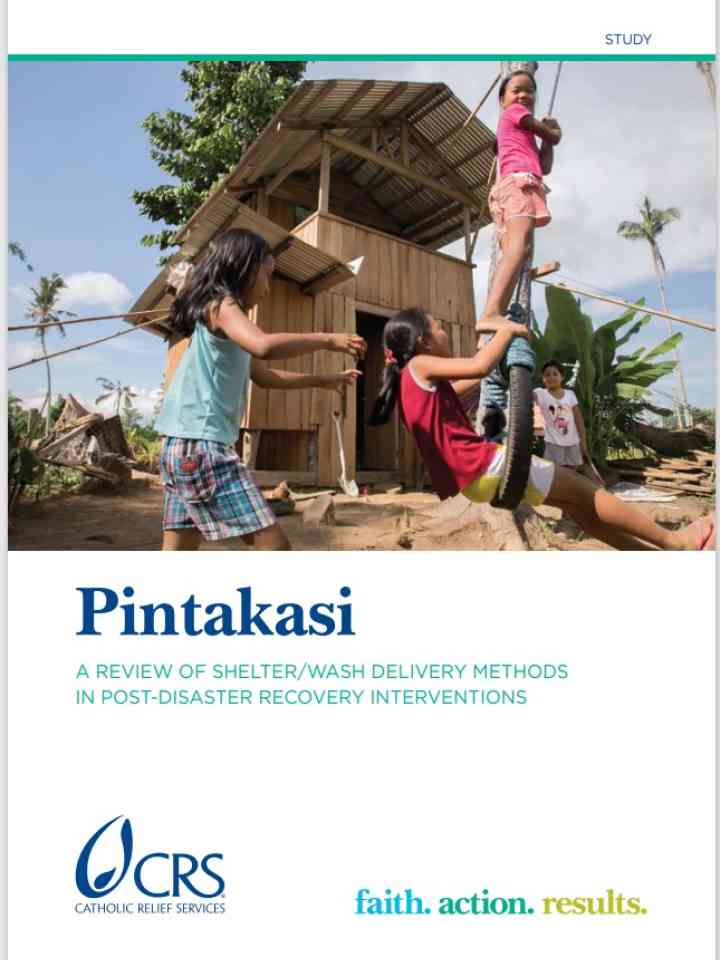
This study hopes to contribute valuable lessons learned and share best practices from the program to the shelter/WASH recovery communities of practice within the humanitarian sector as a whole.