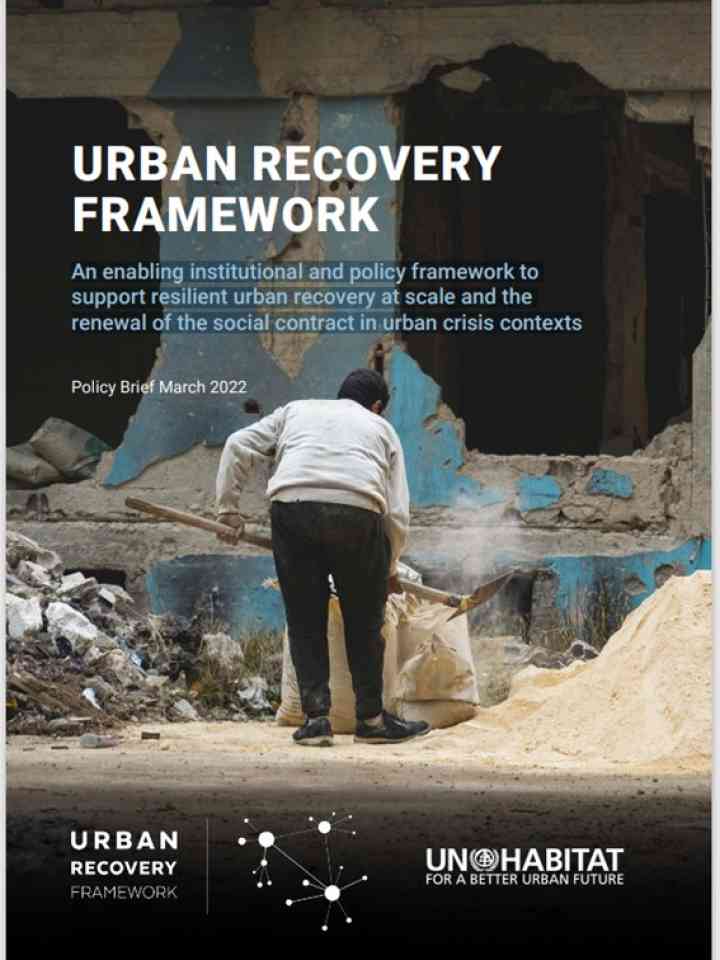
This is the Urban Recovery Framework that aims to create an enabling environment for more effective recovery in urban areas, affected by natural or man-made crises, including conflict.
United Nations Human Settlements Programme (UN-HABITAT)
Here we explore “social sensing” – the systematic collection and analysis of social media data to observe real-world events – as a method to locate and characterise the impacts (social, economic and other) of the 2018 Kerala Floods.
International Journal of Disaster Risk Reduction (Elsevier)
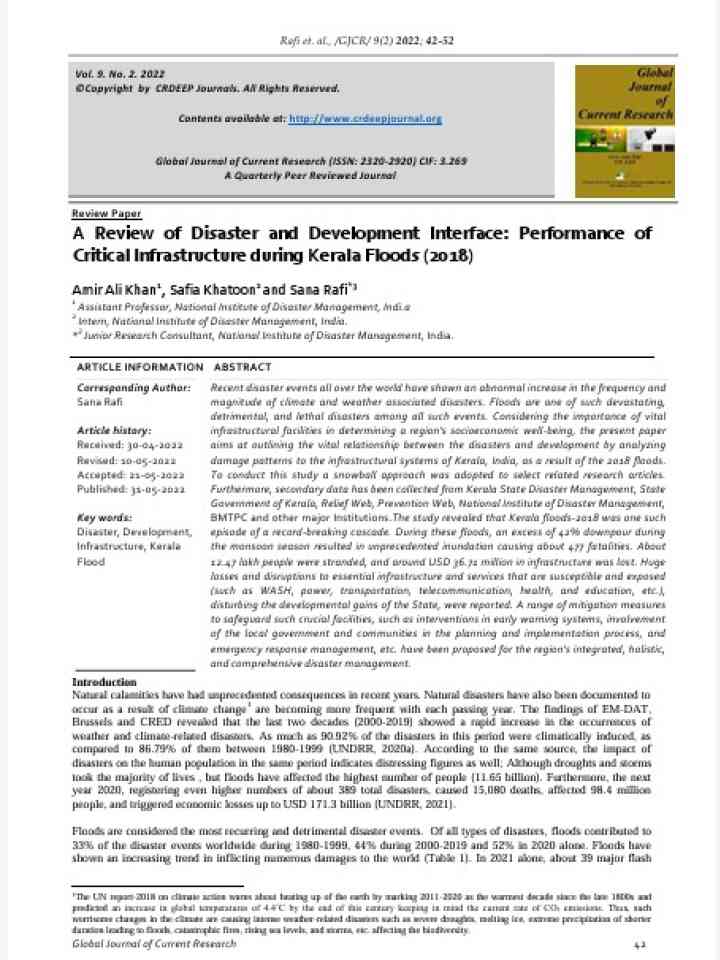
The present paper aims at outlining the vital relationship between the disasters and development by analyzing damage patterns to the infrastructural systems of Kerala, India, as a result of the 2018 floods.
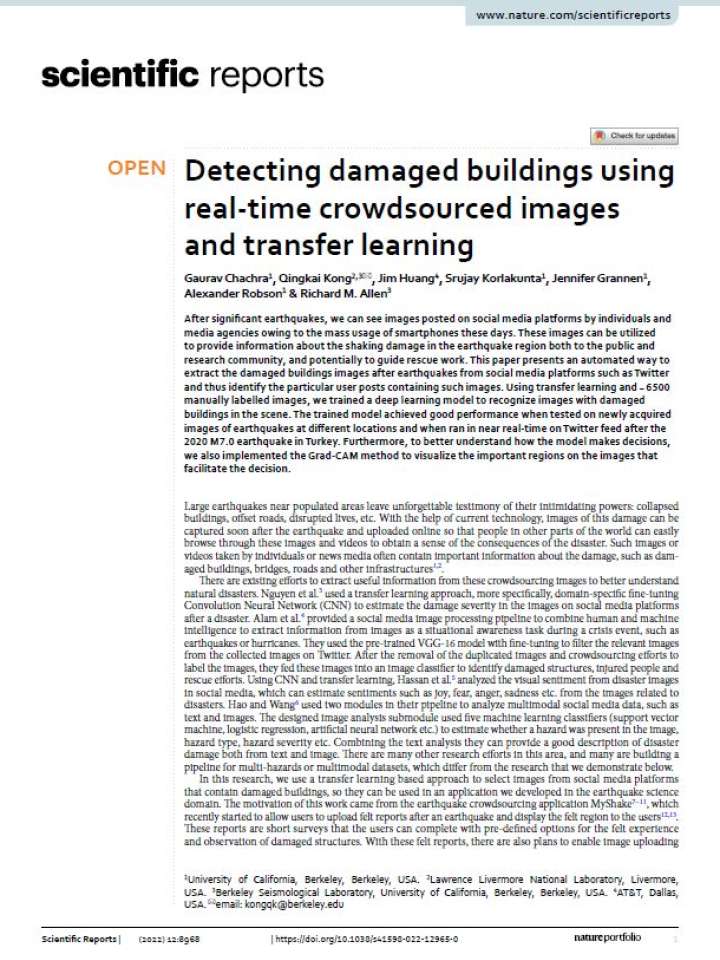
This paper presents an automated way to extract the damaged buildings images after earthquakes from social media platforms such as Twitter and thus identify the particular user posts containing such images.
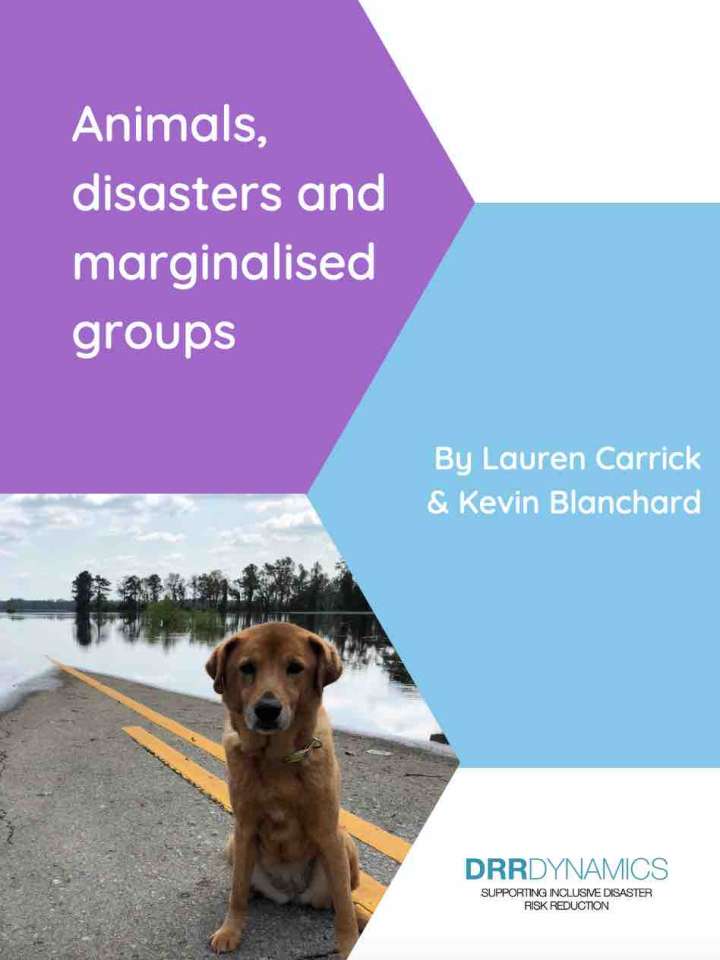
This briefing note highlights the gaps which need addressing in policy and practice and provides key recommendations for policy makers in relation to the role of animals for disaster recovery in society, ownership and marginalised groups.
This contributing paper examines the interplay between official adaptive social protection (ASP) and grassroots efforts based on a case study of the rural reconstruction and recovery that took place after the 2008 Wenchuan earthquake in Sichuan, China.
United Nations Office for Disaster Risk Reduction (UNDRR)
This contributing paper delves into the impact of a tsunami and the COVID-19 pandemic on the coastal tourism sector in Pandeglang Regency (Banten Province) in Indonesia.
United Nations Office for Disaster Risk Reduction (UNDRR)
This paper focuses on how resilience considerations can be better integrated into industrial policy, building on the guidance offered by the Sendai Framework and the broader emergency management literature.
United National Industrial Development Organization