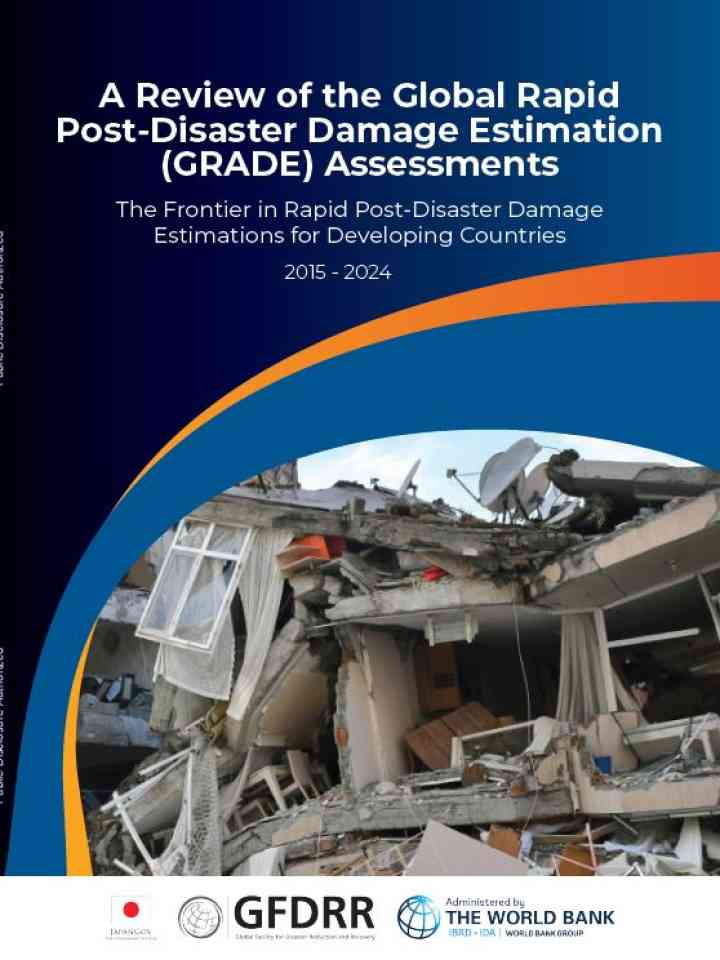
Natural disasters continuously threaten populations worldwide due to their unpredictability, rapid onset, and significant destructive capacity. This study addresses these challenges of by developing and implementing deep learning models.
This study analyzes changes in tsunami evacuation risk in Banda Aceh post-2004. While TEBs improved safety, population shifts and infrastructure limits leave 29% at risk.
International Journal of Disaster Risk Reduction (Elsevier)
This working paper was developed in response to the March 2025 Jabodetabek flood to document its impacts and provide insights for strengthening urban resilience.
Over 40 years, FEMA has declared 52 disasters in Greater Houston, over a third since 2015. In 2024, severe storms, including a May derecho and Hurricane Beryl, hit within months. The Kinder Institute surveyed 5,000+ residents to assess the overall impact.
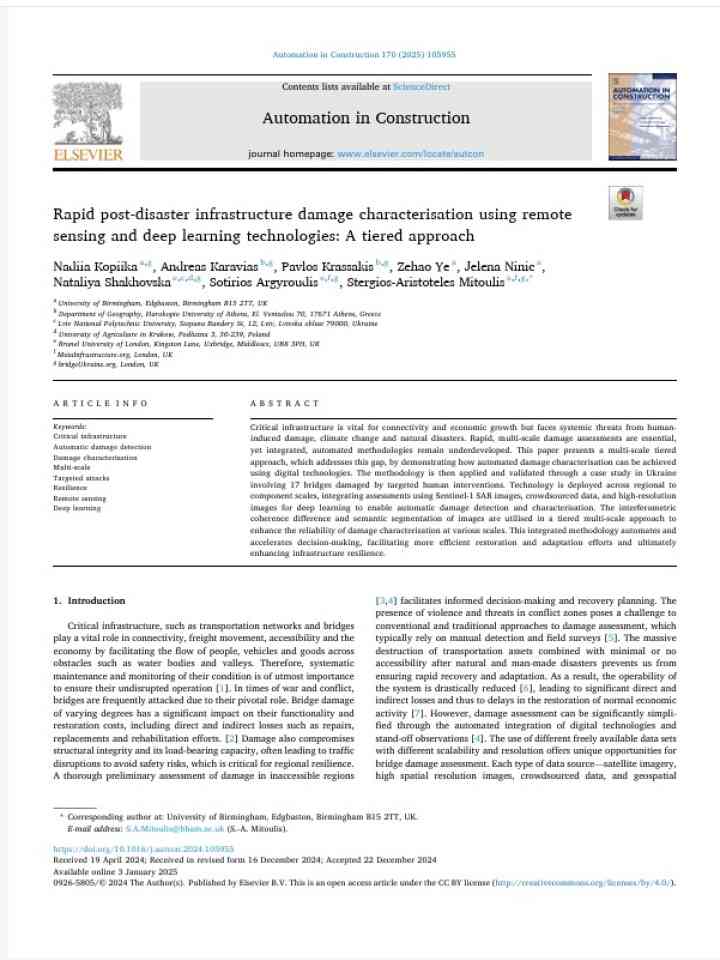
This paper presents a multi-scale tiered approach to post-disaster infrastructure characterisation, demonstrating how automated damage characterisation can be achieved using digital technologies.
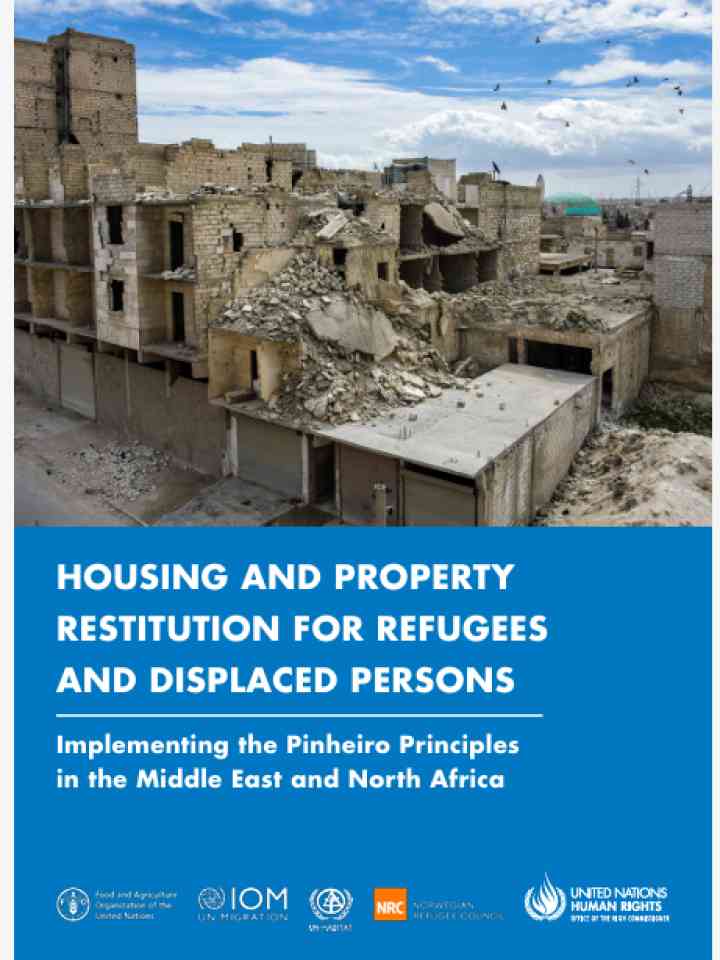
This handbook is designed to provide practical guidance to national and international actors, institutions, and organizations working to protect the housing, land, and property rights of refugees and displaced persons.
Food and Agriculture Organization of the United Nations (FAO)
International Organization for Migration (IOM)
United Nations Human Settlements Programme (UN-HABITAT)
United Nations - Headquarters
Norwegian Refugee Council
Office of the United Nations High Commissioner for Human Rights