This disaster risk reduction situation report on the 25 April 2015 Nepal earthquake is divided into three parts: historical disaster impacts, risks and scenarios, and disaster risk reduction (DRR) implementation status. It provides an overview of Nepal's
United Nations Office for Disaster Risk Reduction (UNDRR)
This report summarizes the results of a health risk assessment from the nuclear accident that followed the 2011 Great East Japan Earthquake. The assessment was conducted by a group of independent experts convened by WHO and the report represents the first international effort to estimate radiation risks from this accident at the global level.
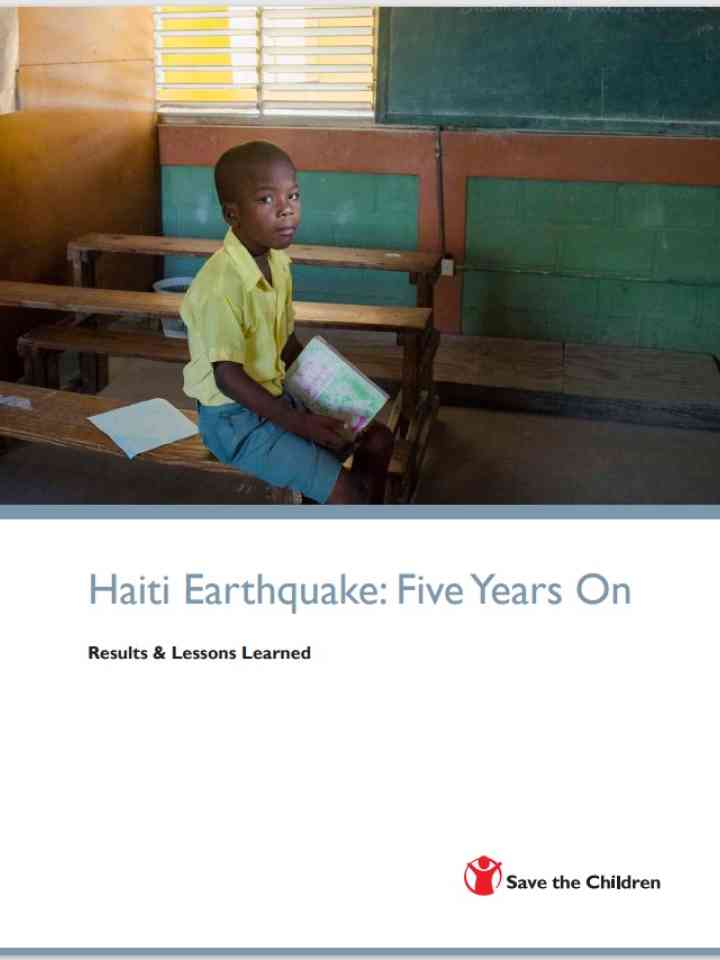
This report looks at the long road to recovery facing many Haitians, five years after the earthquake that marked a particularly tragic day in Haiti’s history on January 12th, 2010,
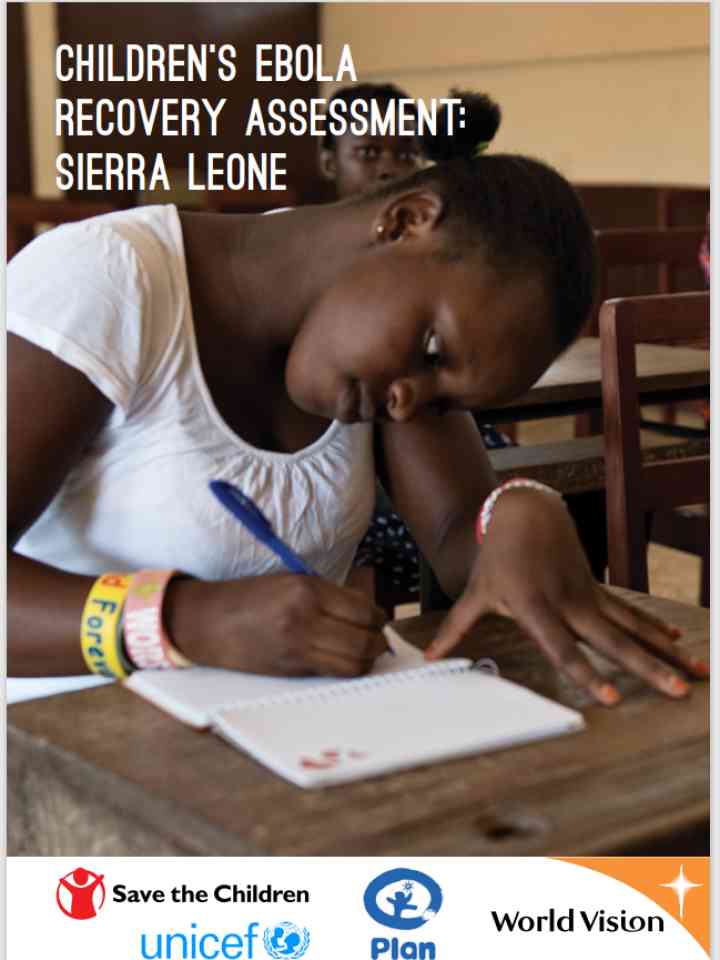
In mid-March 2015, a Children's Ebola Recovery Assessment (CERA) conducted in Sierra Leone to create a mechanism, to discuss issues of concern and to formulate their recommendations for recovery.
This Post-Flood and Landslide Needs Assessment (PFLNA) determines the impact of, and recovery and reconstruction needs following, the devastating floods that hit Myanmar in July and August 2015.
Global Facility for Disaster Reduction and Recovery, the (GFDRR)
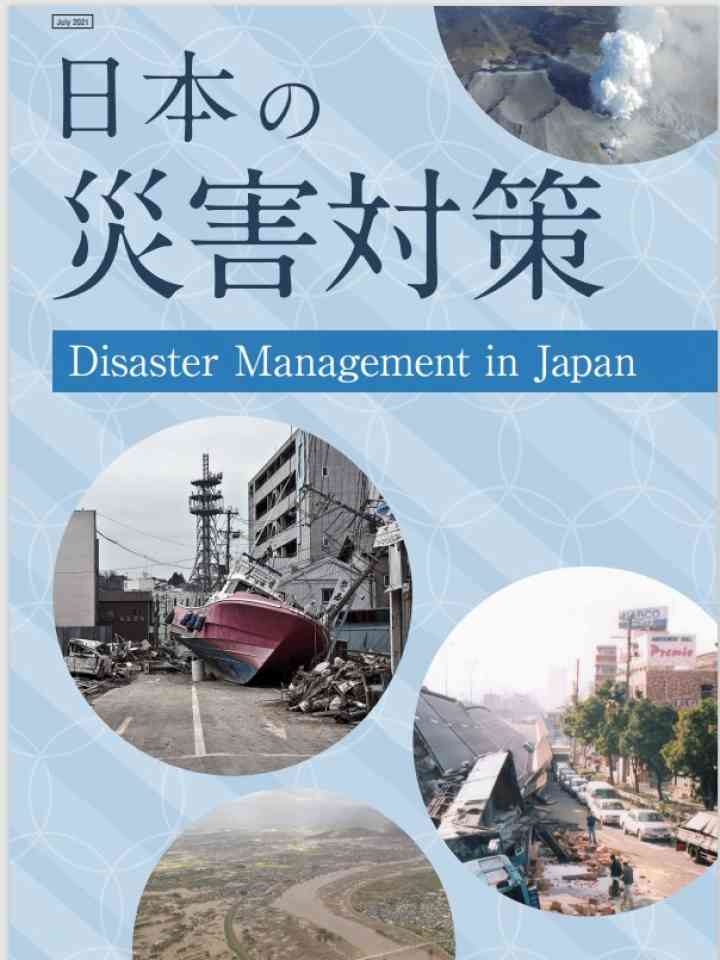
This document gives an overview of the challenges and progress made by Japan in disaster risk management (DRM). The document explains Japans disaster management system and the countermeasures taken by Japan in preventing, preparing, responding to, and recovering from disasters. It explains disaster reduction activities of citizens and draws attention to the role of awareness and disaster knowledge in the reduction of disasters. In addition, it explains the role of international cooperation in disaster reduction and specifically, in Japan's role in preventing and responding to disasters.
The policy has been developed to guide disaster risk management mainstreaming in Malawi by devising policy strategies aimed at achieving the long term goal of reducing disaster losses in lives and in the social, economic and environmental assets of
The policy brief draws on lessons learned from the Fukushima earthquake and elaborates on solutions for displaced populations trapped in uncertainty. It provides recommendations regarding: (i) durable solutions which systematically need to be established through ongoing re-examinations of policies, laws and institutions; (ii) social and psychological consequences as a key topic just as (re-)construction of physical infrastructure and environmental remediation; and (iii) displaced people, for them to exercise agency and take ownership of the process.
United Nations University - Institute for the Advanced Study of Sustainability (UNU-IAS)
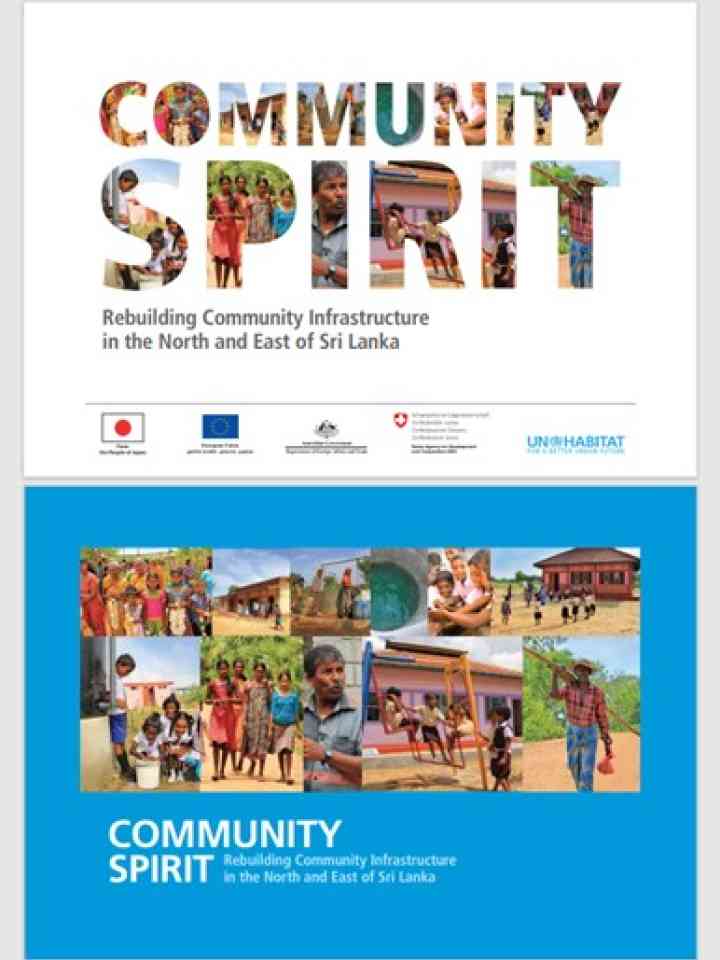
This photobook is a pictorial testimony of community recovery after conflict, highlighting the resilience and spirit of the people in the North and East of Sri Lanka.
United Nations Human Settlements Programme (UN-HABITAT)
Japan - government
European Union
Swiss Agency for Development and Cooperation, Federal Department of Foreign Affairs
Department of Foreign Affairs and Trade - Australia