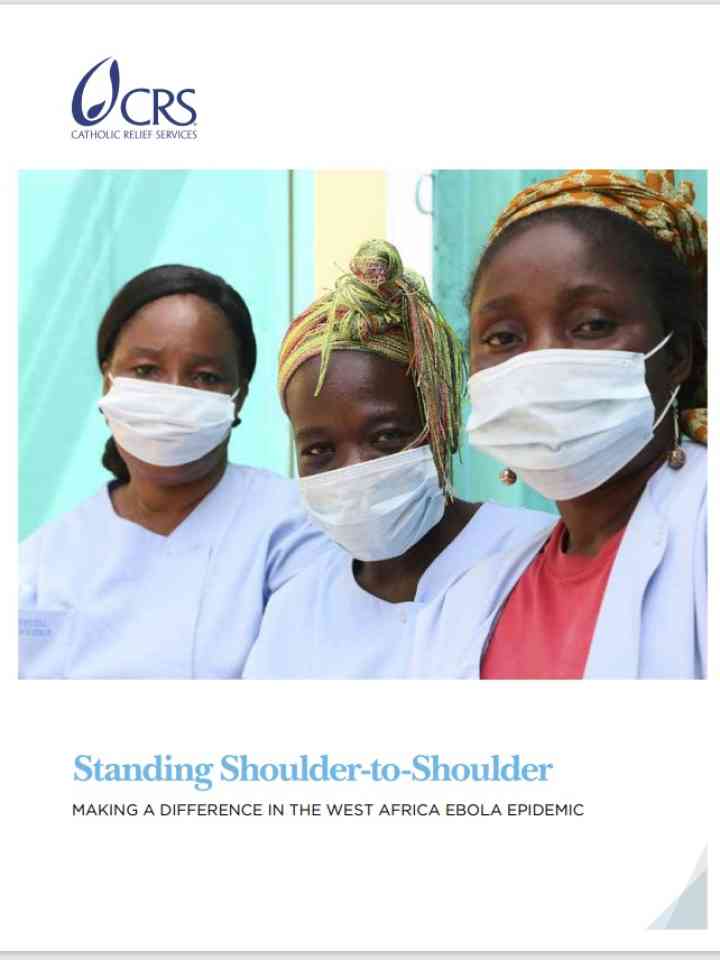
This document provides a glimpse into eight CRS interventions across the region that contributed to conquering the West Africa Ebola epidemic of 2014-2016.
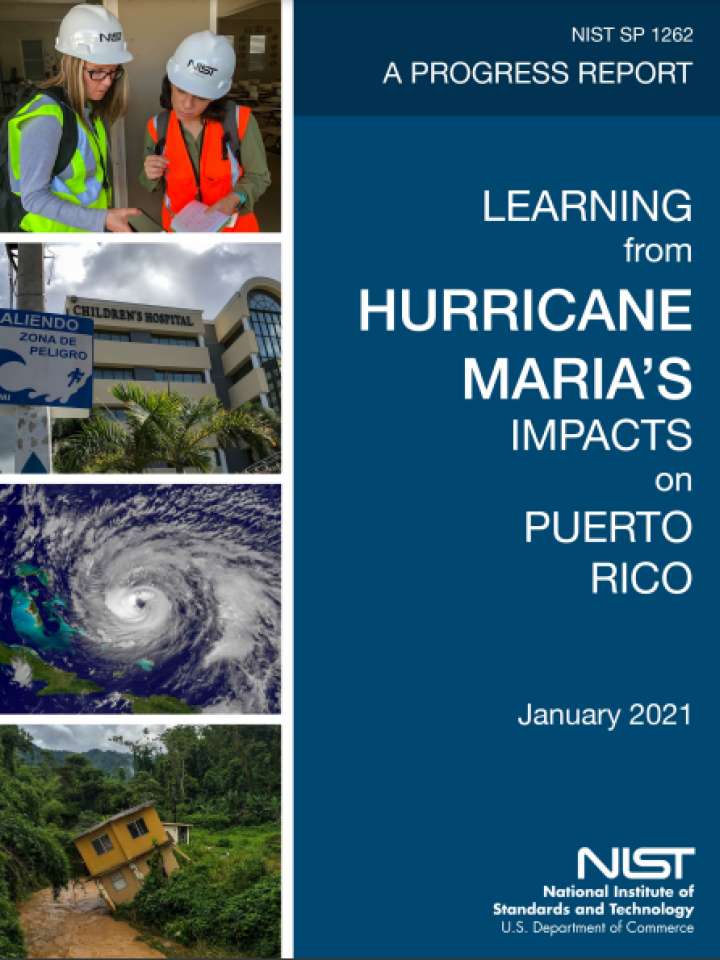
This report explains in detail the rationale for launching the multi-year effort to study how critical buildings performed during the 2017 Hurricane Maria, as well as how emergency communications systems worked beside the summary of progress to date.
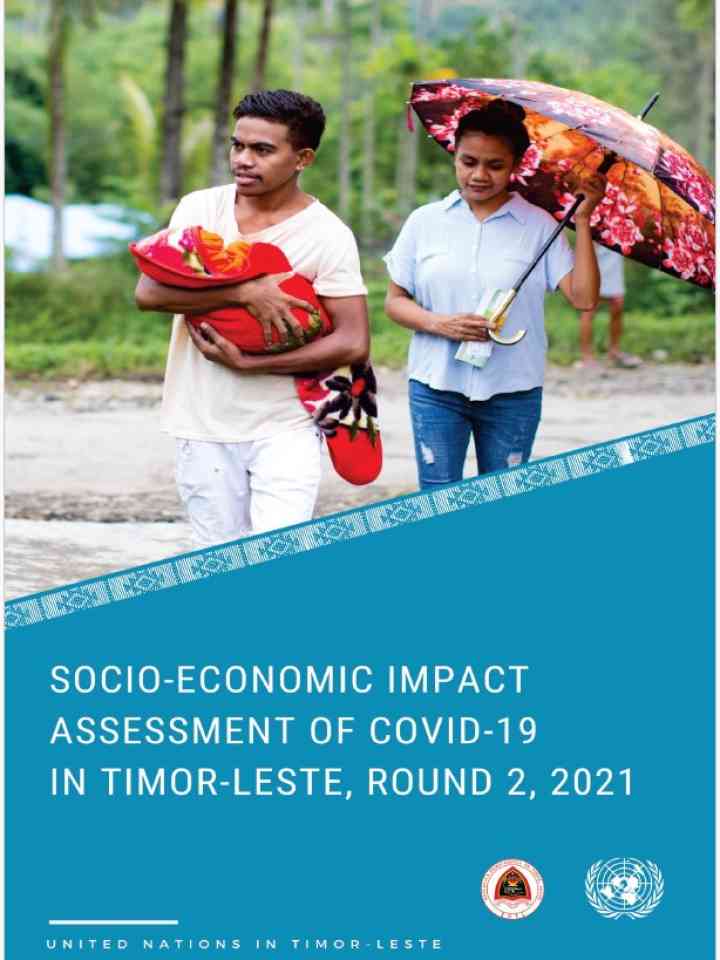
This evaluation is intended to provide reliable and timely information to guide the formulation of short and long- term recovery strategies from the impacts of the COVID-19 pandemic.
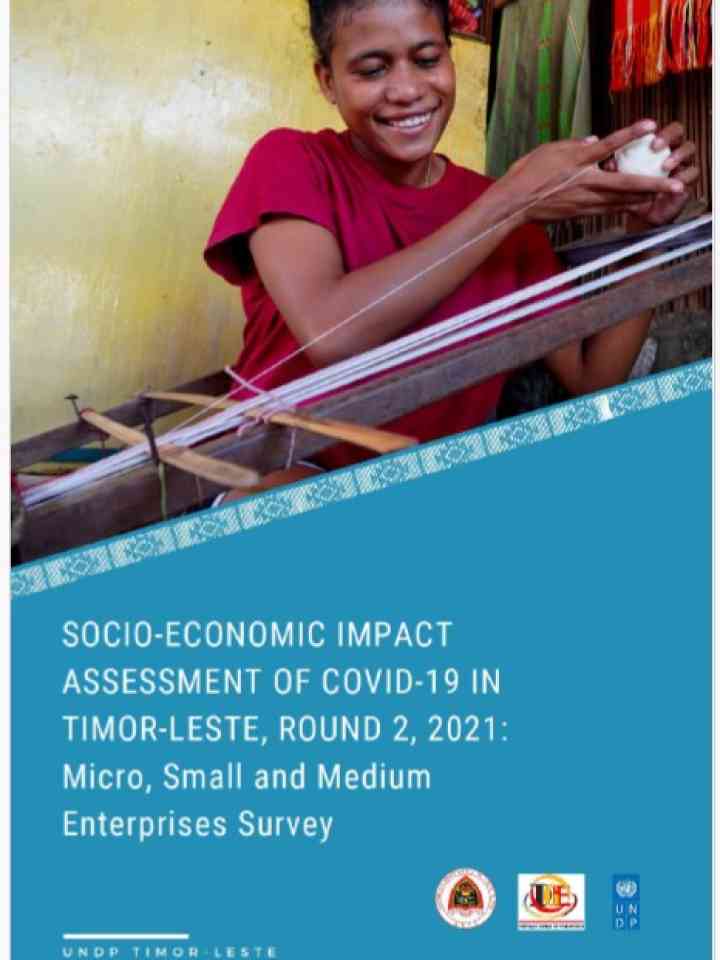
The purpose of this study is to identify the impacts of COVID-19 on individuals, households, and communities, as well as MSMEs in Timor-Leste, and to develop recommendations to inform further recovery interventions.
This note sets out a methodology to assist governments to assess the overall socio-economic impact of the pandemic, identify priority needs, and recommend institutional mechanisms and policy measures to be undertaken in support of the recovery.
This note sets out a methodology to guide UN, EU, WB and partners to assist governments in conducting socioeconomic impact assessments, tailored to the COVID-19 context and needs of individual countries.
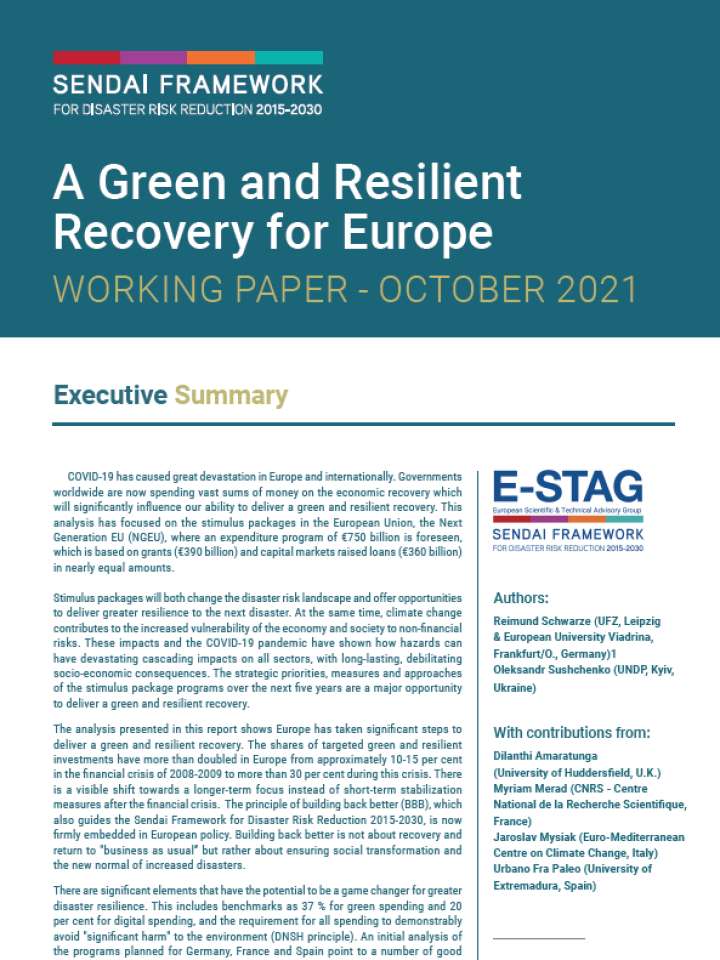
The analysis examines the steps taken to deliver a green and resilient recovery and indicates that current action is not commensurate with the sheer scale of the challenge – the rapid accumulation of systemic, interconnected and cascading disaster risk.
United Nations Office for Disaster Risk Reduction - Regional Office for Europe & Central Asia
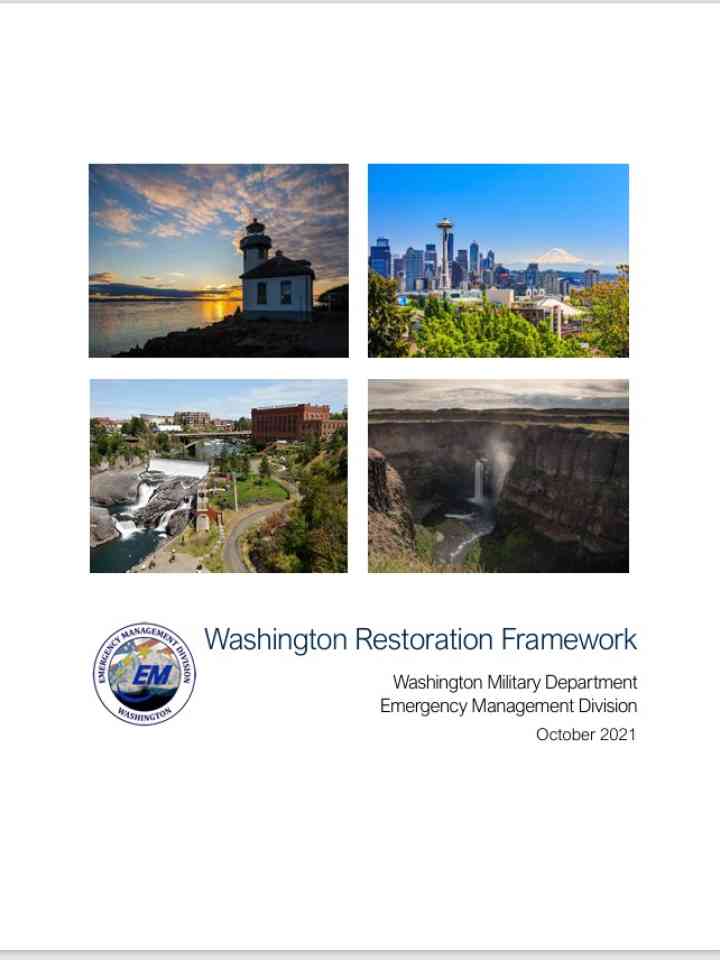
The Washington Restoration Framework (WRF) outlines the partnerships and organizational structures necessary to successfully manage a flexible and scalable recovery.
Washington State Military Department - Emergency Management Division