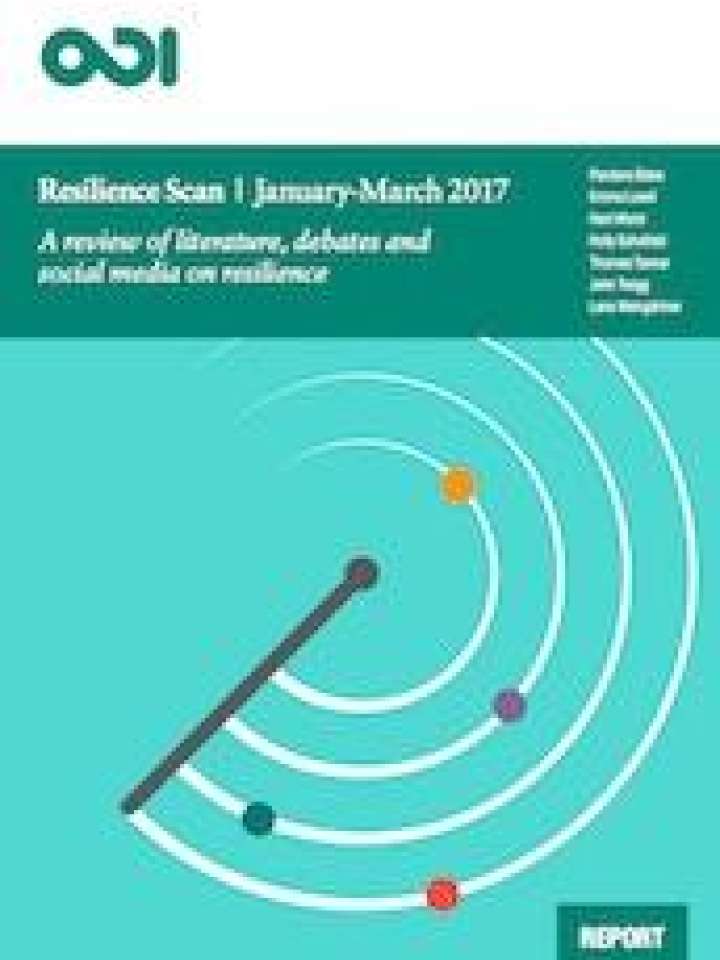
This Resilience Scan summarises writing and debates in the field of resulience during the first quarter of 2017. It comprises an 'expert view' that examines post-disaster recovery. Based on literature that draws together academic and practice-based
The core objective of the project to engage diverse stakeholder groups to share knowledge, address information needs and drive action to advance flood resiliency in Canada in the face of changing climate and extreme weather.
In 2018, the state of Kerala witnessed large-scale flooding, which affected millions of people and caused 400 or more deaths. This document examines the return period of extreme rainfall and the potential role of reservoirs in the recent flooding.
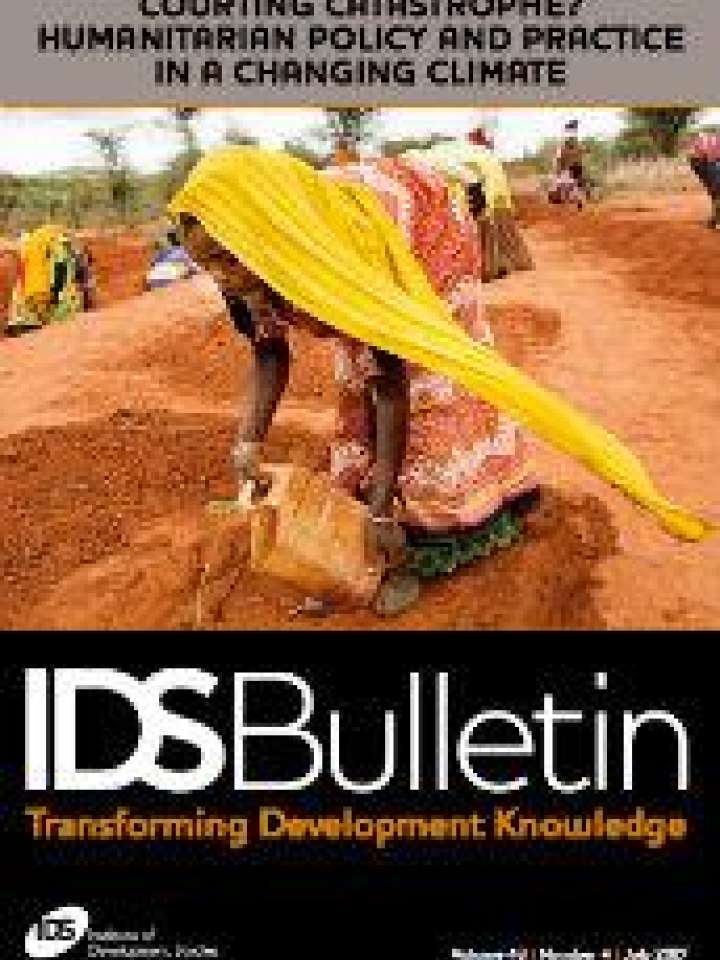
This IDS Bulletin examines the link between short-term crises – and the humanitarian responses that follow – and adaptation to climate change. It represents a call for increasing engagement between humanitarian aid and climate change adaptation
Can cutting edge innovations that integrate disaster risk reduction with climate change adaptation transform our views on risk from the standpoint of individuals, institutions and investments that shape
The Sustainable Development Goals Report 2017 reviews progress made towards the 17 Goals in the second year of implementation of the 2030 Agenda for Sustainable Development. The report is based on the latest available data. It highlights both gains and
United Nations Department of Economic and Social Affairs (UN DESA)
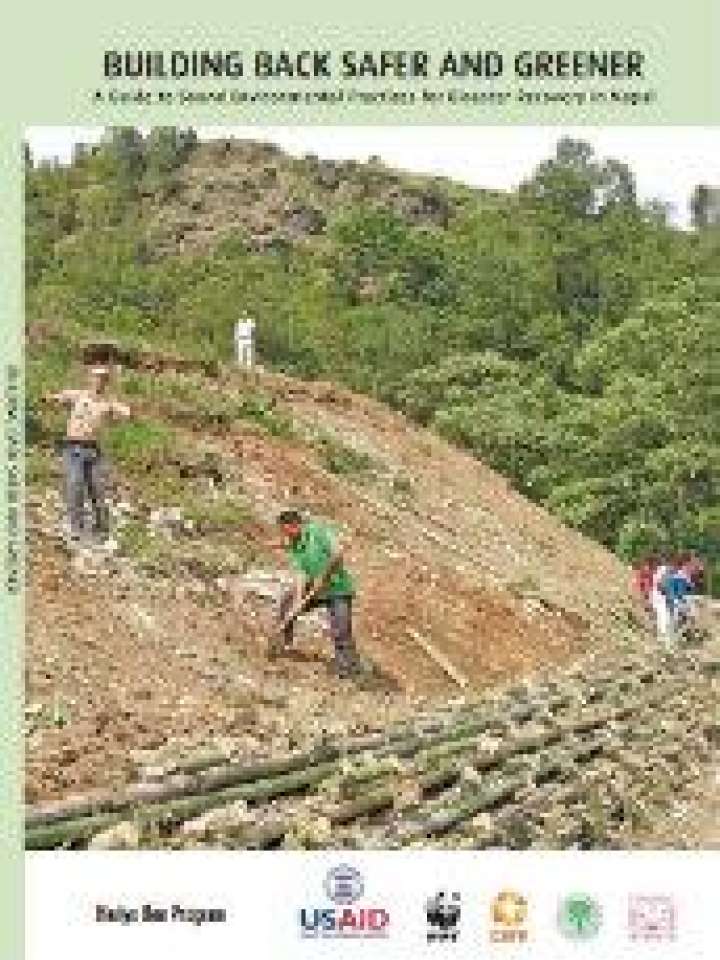
This guide outlines ways in which adverse environmental impacts can be avoided after disasters, and good practices can be promoted. It covers sectors including settlements and land use planning; building construction; waste management; energy; infrastructure; water, sanitation and hygiene; agriculture and livelihoods; and education. It highlights the importance of flood risk management, landslide prevention and treatment, and management of forests after disasters.
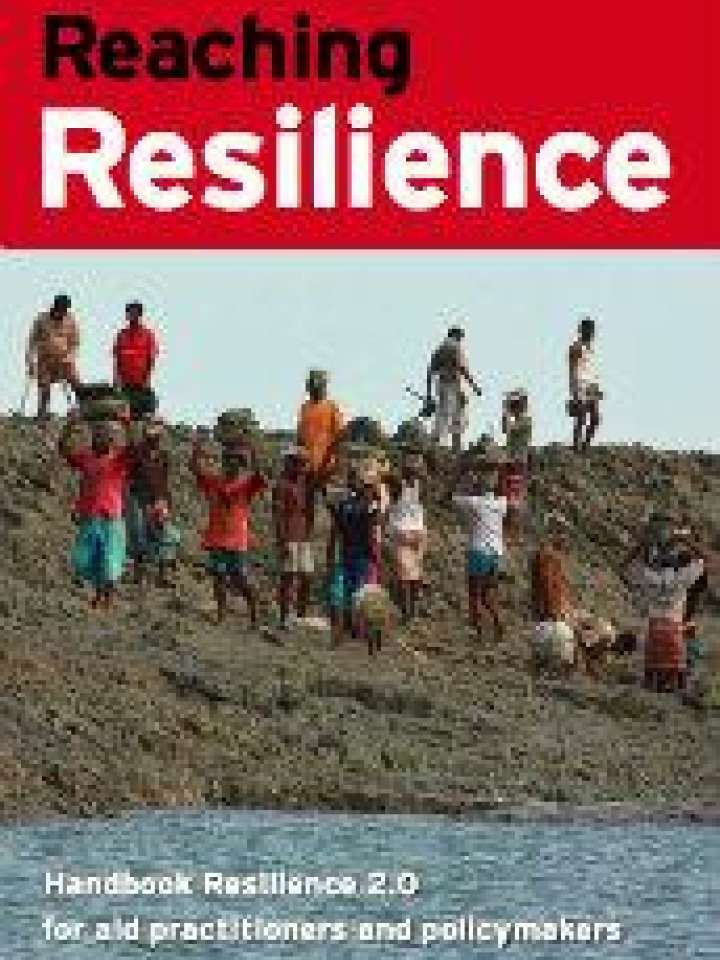
This handbook is designed to encourage thinking and provide insights and ideas about how to design well-integrated, step-by-step actions and strategies to foster resilience at the local level.
Wageningen University and Research Centre
CARE International
Groupe Urgence - Réhabilitation - Développement (Groupe URD)
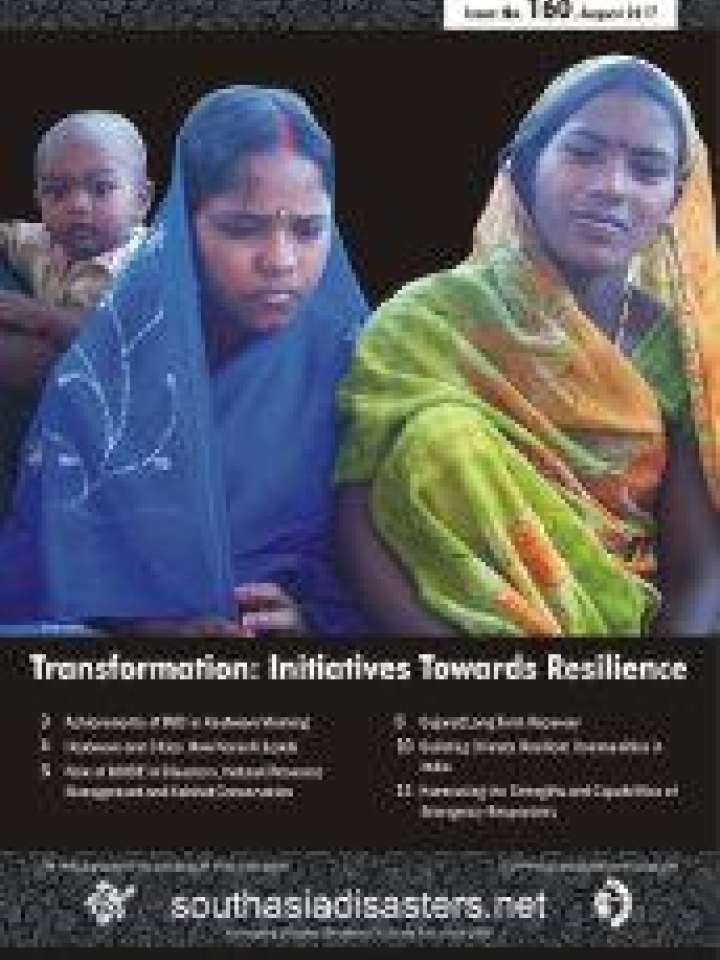
The first edition of this quarterly series showcases a selection of four papers, which address the impacts of droughts and floods, disaster resilience, and the role of Technical Vocational Education and Training (TVET) in disaster management
Gravitazz Institute for Disaster Reduction and Emergency Management
This Strategic Framework 2016–20 articulates the way forward in increasing knowledge, capacity building and advocacy, partnerships and investments, as part of a collective struggle toward disaster and climate resilient development in Africa. The Framework
World Bank, the
Global Facility for Disaster Reduction and Recovery, the (GFDRR)