This photo book presents UNDP's work with the Government and other stakeholders in Kenya to find and facilitate implementation of sustainable solutions to minimize disaster impacts in the country. Featuring several projects, it illustrates some of the
The objective of this study is to analyse the strengths, weaknesses, sustainability and impact of the 26th of December 2004 tsunami response in 2 countries, Sri Lanka and Indonesia (Aceh Province). Cutting across these themes is an assessment of whether communities are now better prepared to respond to and cope with disaster.
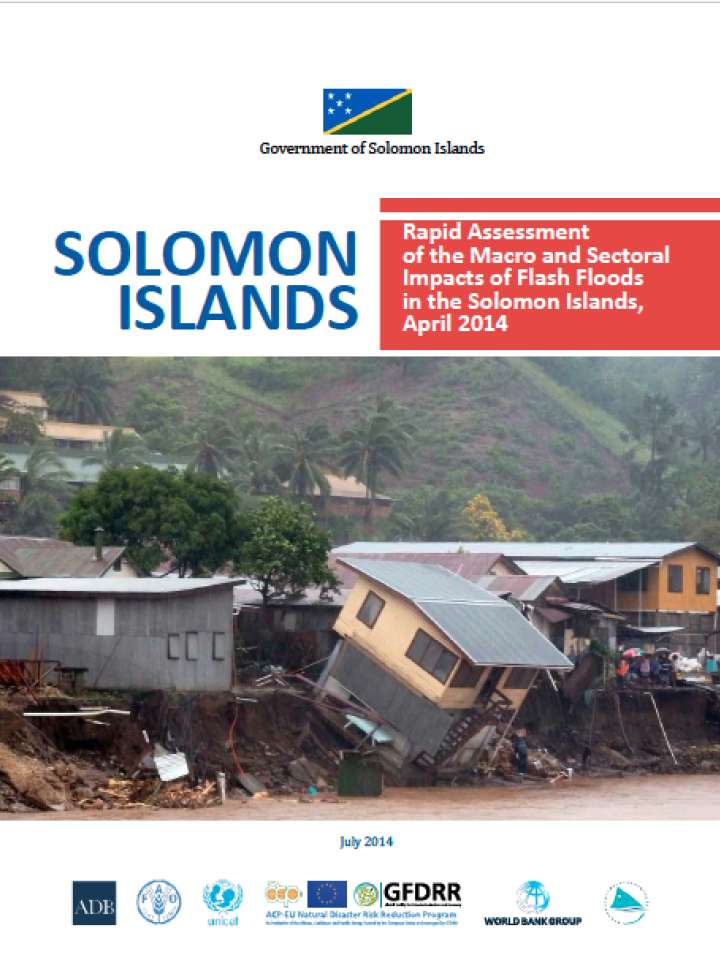
This assessment covers the damage, loss, and needs across various sectors after the 2014 floods in the Solomon Islands. A section of the assessment provides the next steps for Building and Strengthening Urban Resilience (BSURE) Strategy.
Solomon Islands - government
Asian Development Bank (ADB)
Global Facility for Disaster Reduction and Recovery, the (GFDRR)
This report presents recommendations on key actions the Federal Government can take to better support state, local, tribal, and territorial leaders working to prepare their communities for the impacts of climate change. These recommendations focus on
This briefing paper examines the recovery process one year after typhoon Haiyan hit 171 municipalities in the central Philippines and displaced more than 4 million people. It provides recommendations for the national government, the local government units, the international donors and the national and local NGOs and civil society organizations to ensure recovery strengthens the rights and resilience of affected communities and calls for clear focus on integrating disaster risk reduction and management into local governance processes.
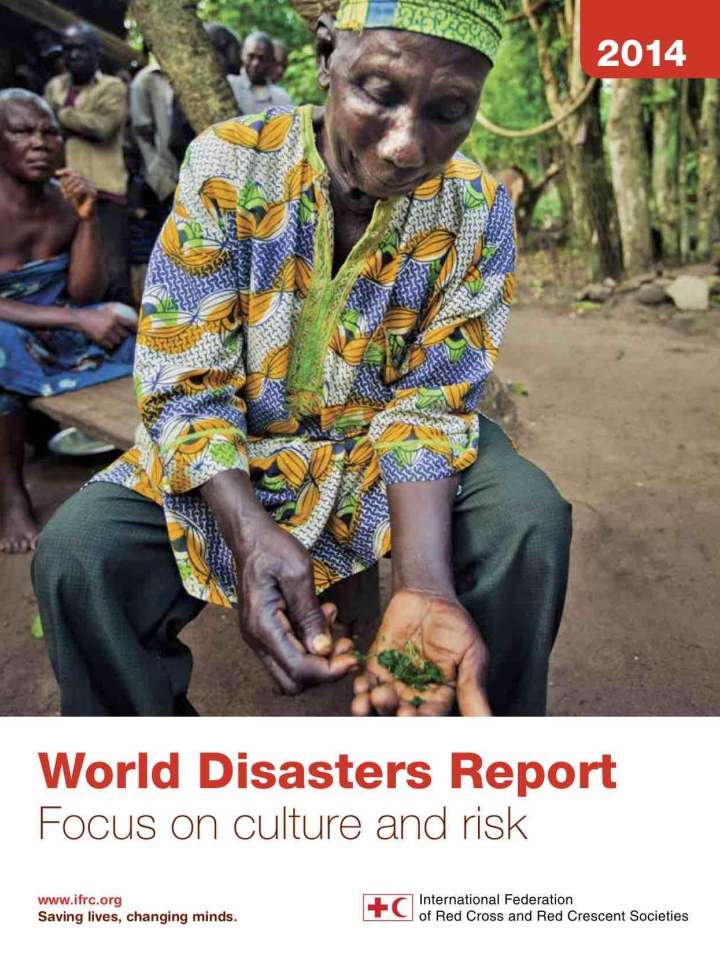
This year’s World Disasters Report focuses on culture and risk. It explores the different ways in which culture affects disaster risk reduction and climate change adaptation and how disasters and risk influence culture. It examines why people choose to
International Federation of Red Cross and Red Crescent Societies (IFRC)
This guide highlights key disability concerns to officials and experts responsible for emergency planning in their communities. It seeks to assist them in developing plans that will take into account the needs and insights of people with disabilities
This study analyses the post-disaster recovery planning policy following the eruption of Mount Merapi in 2010 in Indonesia and the extent to which it has been facilitating the socio-economic recovery efforts of communities in an effective, efficient and sustainable way in order to reduce the socio-economic vulnerabilities that exist. The study uses a qualitative analysis of in-depth interviews of vulnerable groups that may be affected by the disaster and the actors involved in the recovery process.