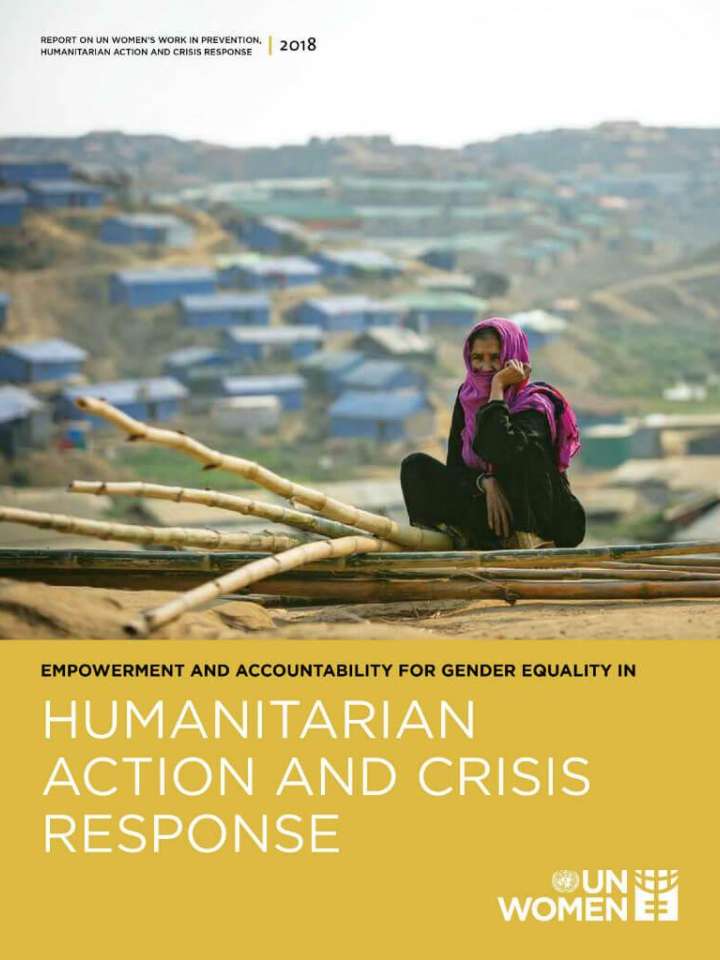
Humanitarian needs continue to grow with nearly 132 million people in need of assistance in 2018, due to conflict, persecution, and natural disasters. The average humanitarian crisis now lasts more than nine years, and periods of forced displacement more
United Nations Entity for Gender Equality and the Empowerment of Women (UN WOMEN)
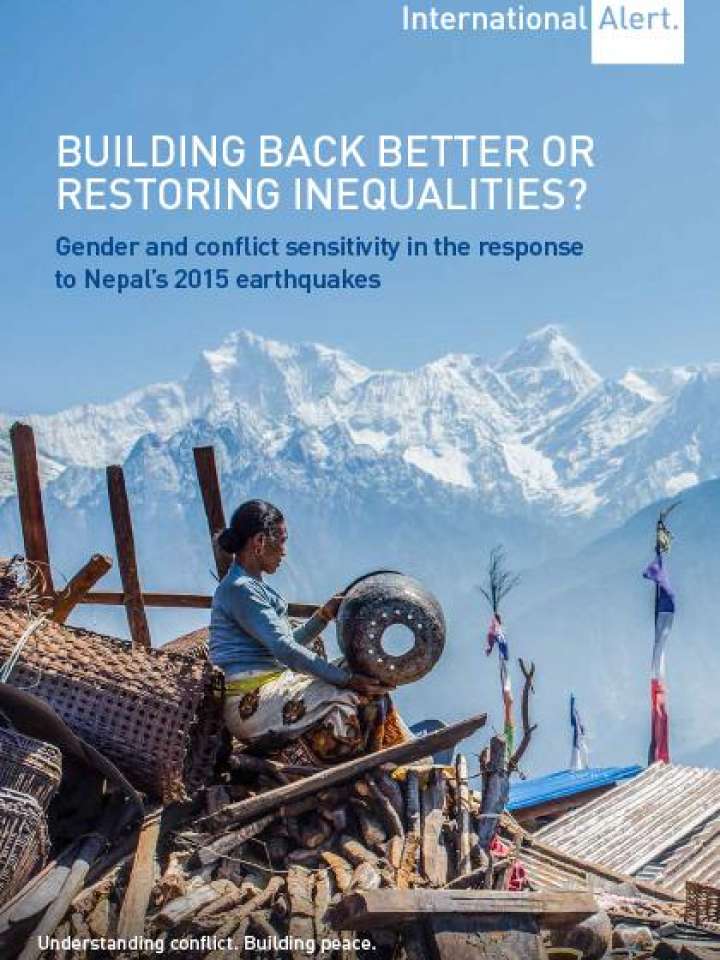
This report is based on research into the gender dimensions of humanitarian interventions in post-conflict settings from a peacebuilding perspective, using the 2015 earthquakes in Nepal as a case study from which lessons can be drawn for other contexts. It identifies the risks posed by gender-blind humanitarian programming, the need to understand the multiple intersecting dimensions of vulnerability, as well as the key challenges in operationalising national and local gender and conflict-sensitive programming.
Addressing the Gender Inequality of Risk and promoting Community Resilience to Natural Hazards in a Changing Climate is one of UN Women’s Flagship Programming Initiatives designed to ensure the effective integration of gender in the implementation of the
United Nations Entity for Gender Equality and the Empowerment of Women (UN WOMEN)
This predominantly qualitative research into long-term disaster resilience identifies what helps and hinders individual and community resilience in disasters. It documents the experiences and wisdom of 56 disaster survivors nine years after the 2009 Black
This study aims to document evidence on the need to advance gender- and disability-inclusion in disaster recovery and also to use such evidence in mapping out pathways and entry points to make inclusion work in post-disaster contexts. Moreover, it aims to highlight the particular circumstances of women with disabilities, a “sector within a sector” that largely remains invisible in disaster risk management and development programming.
This research collects and documents the experiences of women in reconstruction at community level, district level, and national level after the 2015 Gorkha earthquake in Nepal.
This guidance presents Red Cross and Red Crescent staff, members and volunteers with a set of minimum standards for protection, gender and inclusion (PGI) in emergencies. It aims to ensure that the emergency programming of the International Federation of
International Federation of Red Cross and Red Crescent Societies (IFRC)
This Guidance Note aims to provide action-oriented guidance to local and national government officials and key decision makers who face post-disaster challenges and to assist them in incorporating gender-responsive recovery and reconstruction efforts.
World Bank, the
Global Facility for Disaster Reduction and Recovery, the (GFDRR)
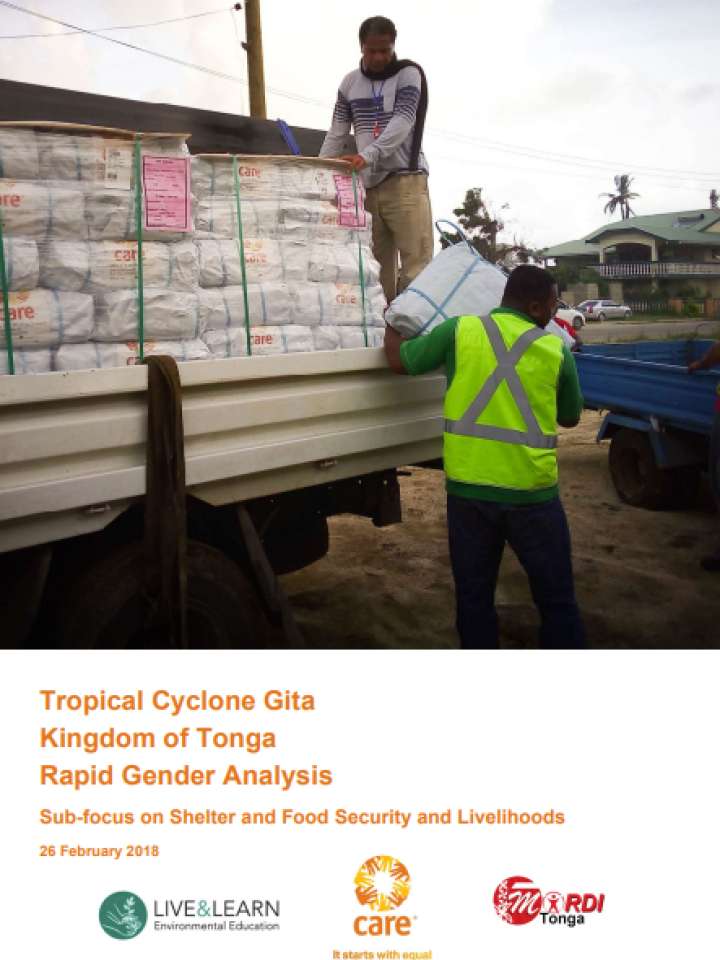
This rapid gender analysis is designed to provide initial information about gender roles, responsibilities, capacities and vulnerabilities of women, men, girls and boys, SOGIE and other marginalised people prior to and after TC Gita.