This document discusses the importance of gender sensitivity in disaster risk reduction (DRR), and relates the history and experiences of the Japan Women's Network for Disaster Risk Reduction.
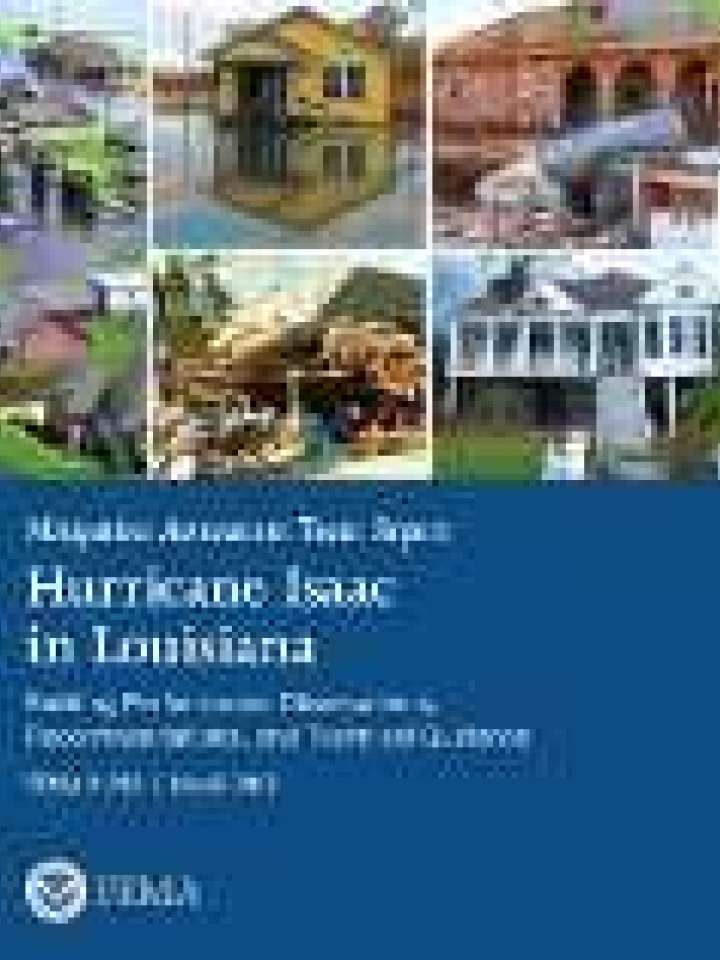
This report relates the findings of the Federal Emergency Management Agency's (FEMA) Mitigation Assessment Team (MAT) who assessed the damage in Louisiana caused by Hurricane Issac in 2012. It is comprised of an executive summary and six chapters: (i)
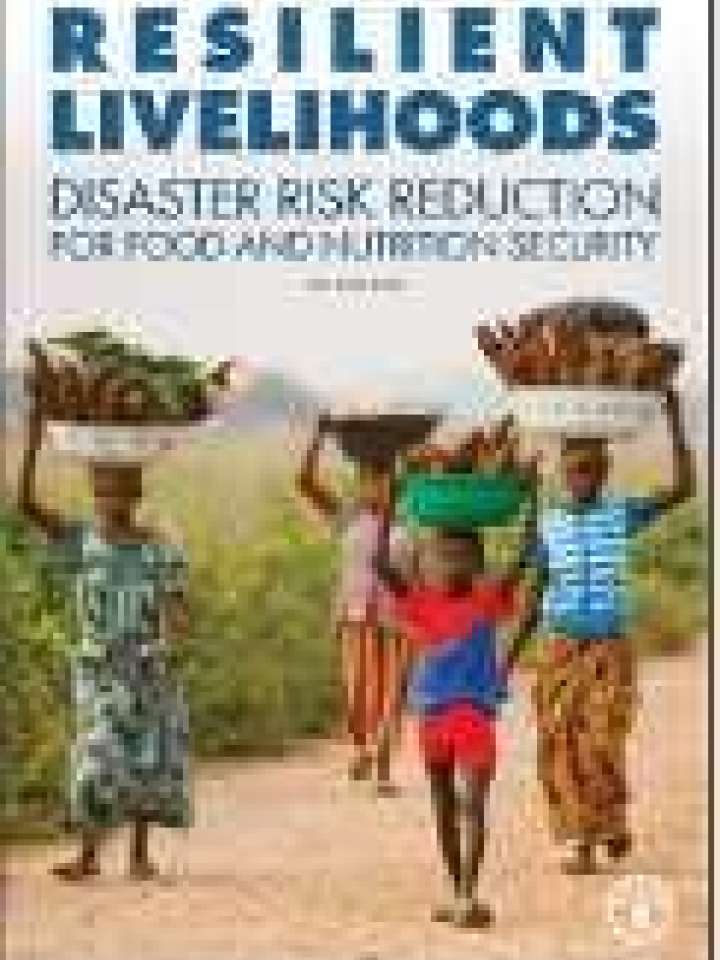
This framework explains the Disaster Risk Reduction for Food and Nutrition Security Framework Programme of the Food and Agriculture Organization of the United Nations (FAO) which has been undertaken with the goal of enhancing the resilience of livelihoods
Food and Agriculture Organization of the United Nations (FAO)
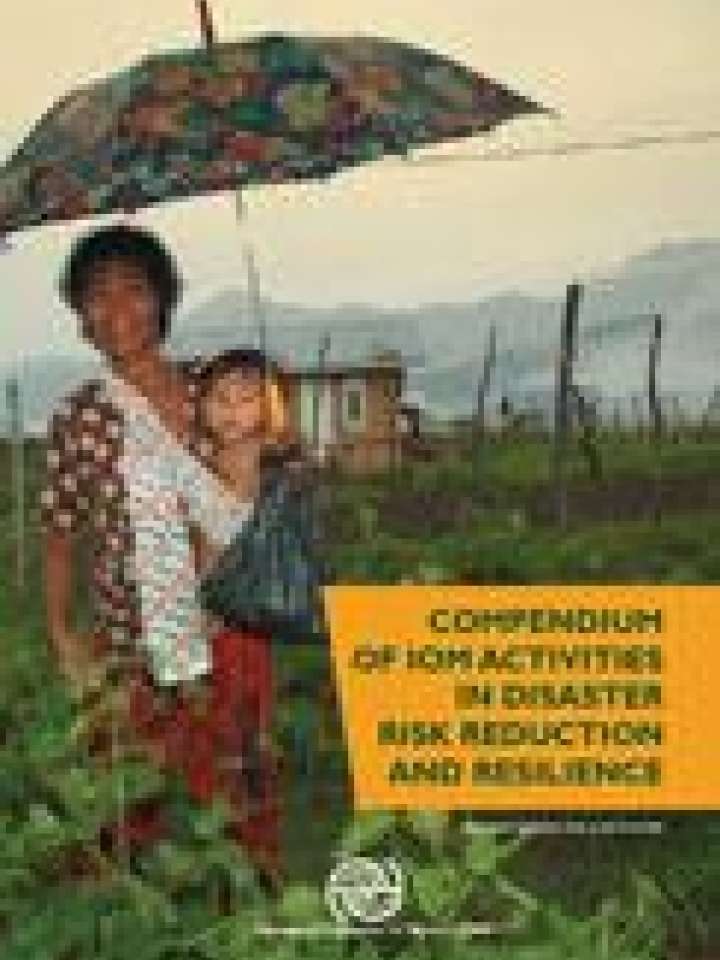
This compendium presents the state-of-the-art approach to mobility and disaster to practitioners and policy-makers in the risk reduction and migration community. The analysis is based on IOM’s extensive achievements in the field: 257 disaster-related
This report consists of the papers from ERIA’s research project on “Economic and Welfare Impacts of Disasters in East Asia and Policy Responses” in Fiscal Year 2011-12. It aims to improve our understanding on how the
Economic Research Institute for ASEAN and East Asia
This discusses the vision for "New Tohoku," focusing on creating a resilient society that promotes child development, supports the elderly, and utilizes local resources effectively in the wake of the Great East Japan Earthquake and nuclear disaster.
This report outlines the challenges and opportunities as well as new priorities for the disaster risk management (DRM) field in East Asia and the Pacific. It takes stock of the most important activities, highlights examples of global good practice and
This report aims to respond to the question of how the five priorities for disaster risk reduction (DRR), identified by children from 21 hazard-prone countries in the Children’s Charter for DRR, can be achieved, exploring the enabling factors and
Plan International (PI)
United Nations Office for Disaster Risk Reduction (UNDRR)
This document is a tool for national governments who wish to conduct simple, inexpensive table top and functional exercises to test systems and procedures contained within their national disaster management plans.