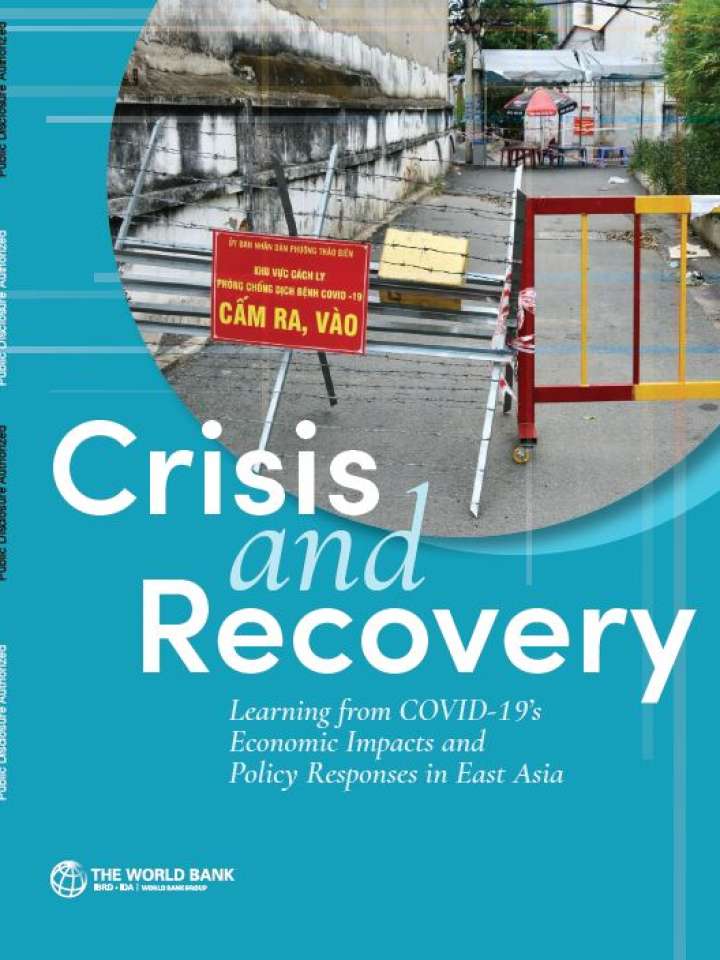
This volume examines: (a) the links between impacts on firms and households, in particular through the employment channel, and (b) governments’ fiscal responses to the COVID crisis, through transfers, subsidies, and taxes.
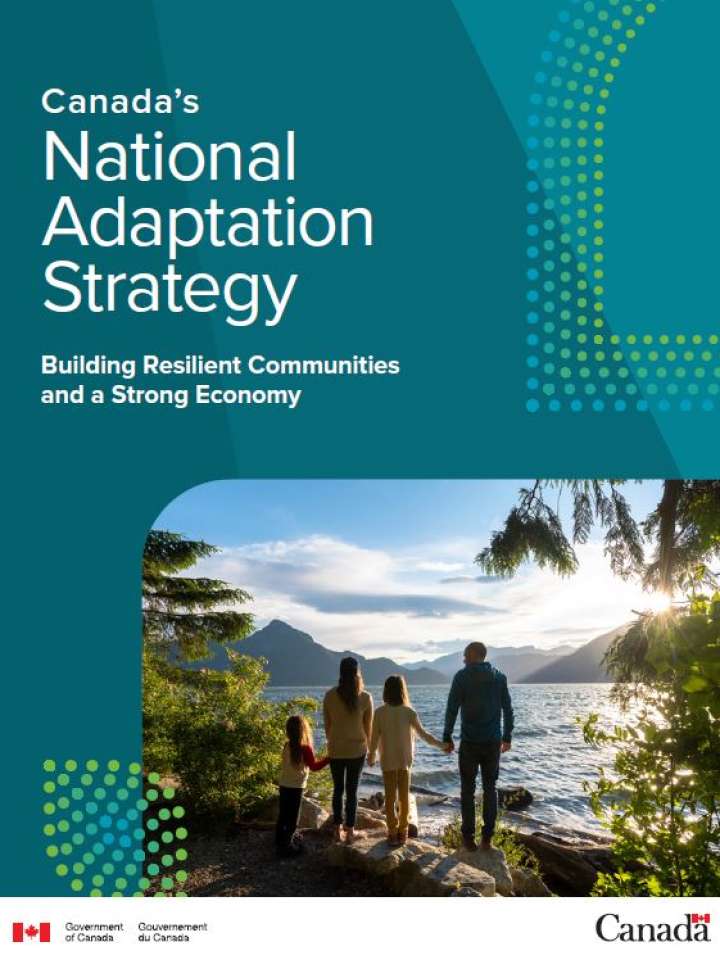
This Strategy is the product of two years of engagement with provinces and territories, Indigenous partners, key experts, stakeholders and partners across Canada.
This brief is based on an evidence gap map of interventions that aim to strengthen resilience against shocks, stressors, and recurring crises in low-and middle-income countries. This map was commissioned by USAID’s Bureau for Resilience and Food Security.
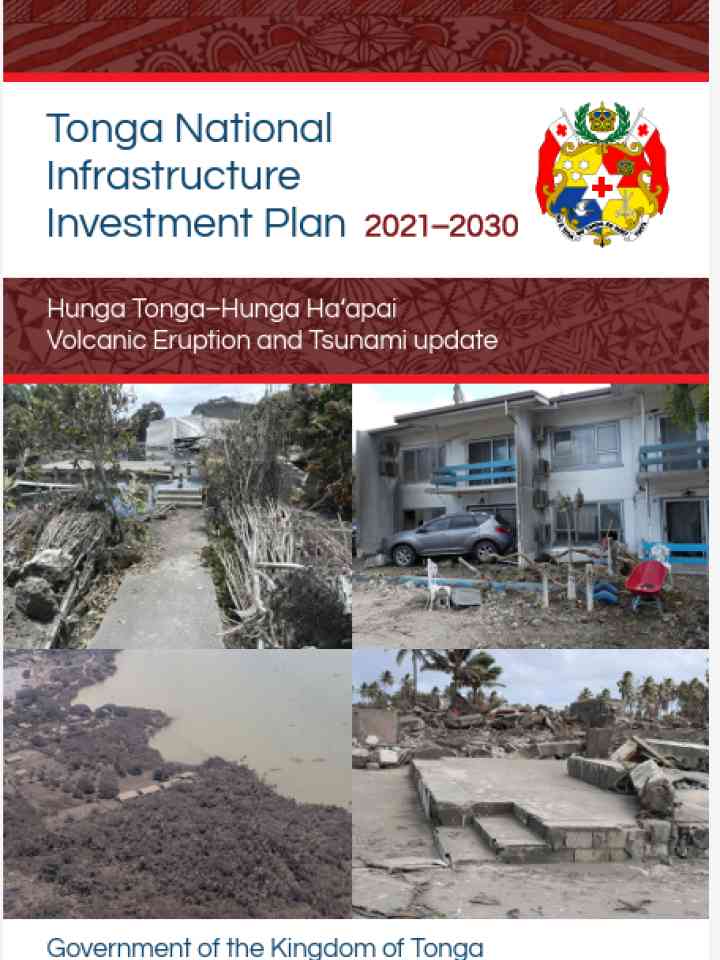
This report updates Tonga’s National Infrastructure Investment Plan to incorporate recovery and resilience priorities following the Hunga Tonga–Hunga Haʻapai volcanic eruption and tsunami, guiding infrastructure investment decisions.
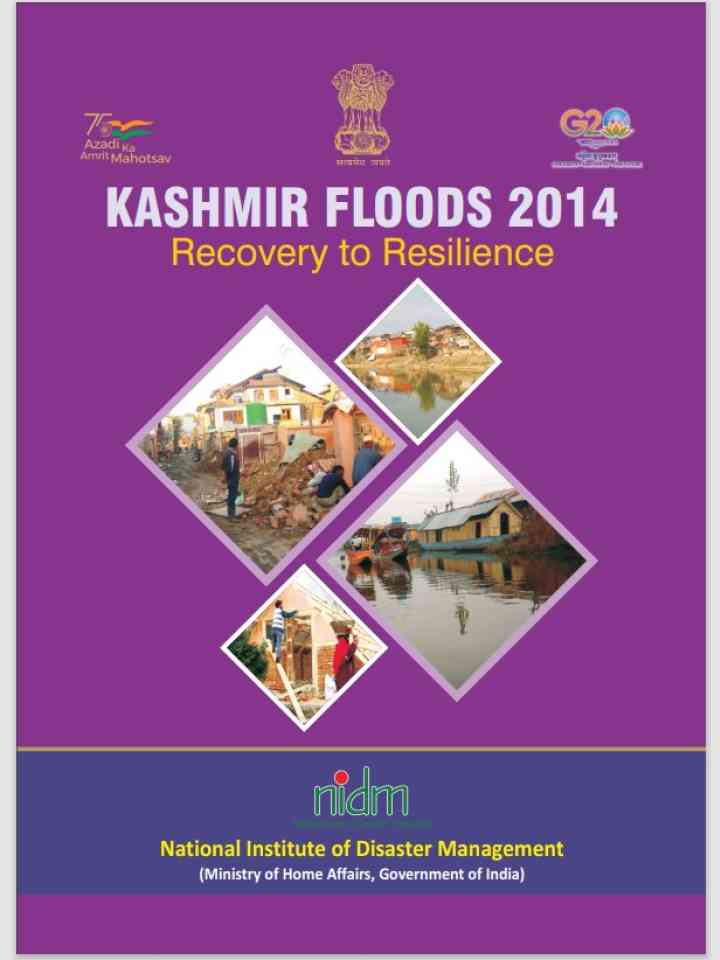
The flood of 2014 in the Kashmir Valley was the worst flood in the last hundred years. This document has also suggested long-term measures that should be taken for building resilience.
This paper is an attempt to draw focus on the issue of managing solid waste in post-disaster situations in the context of India and to prepare conclusions, recommendations and way forward for managing wastes during and after the disasters.
This report summarizes the learning and recommendations of an extensive review by States and stakeholders pursuing the expected outcome and goal of the Framework and thus risk-informed sustainable development.
United Nations Office for Disaster Risk Reduction (UNDRR)
This report reviews legal and policy frameworks for disaster recovery in Australia, identifies challenges, opportunities. and recommendations for improvement. It analyses how this framework operated during recovery from the 2019–20 Black Summer Bushfires
International Federation of Red Cross and Red Crescent Societies (IFRC)