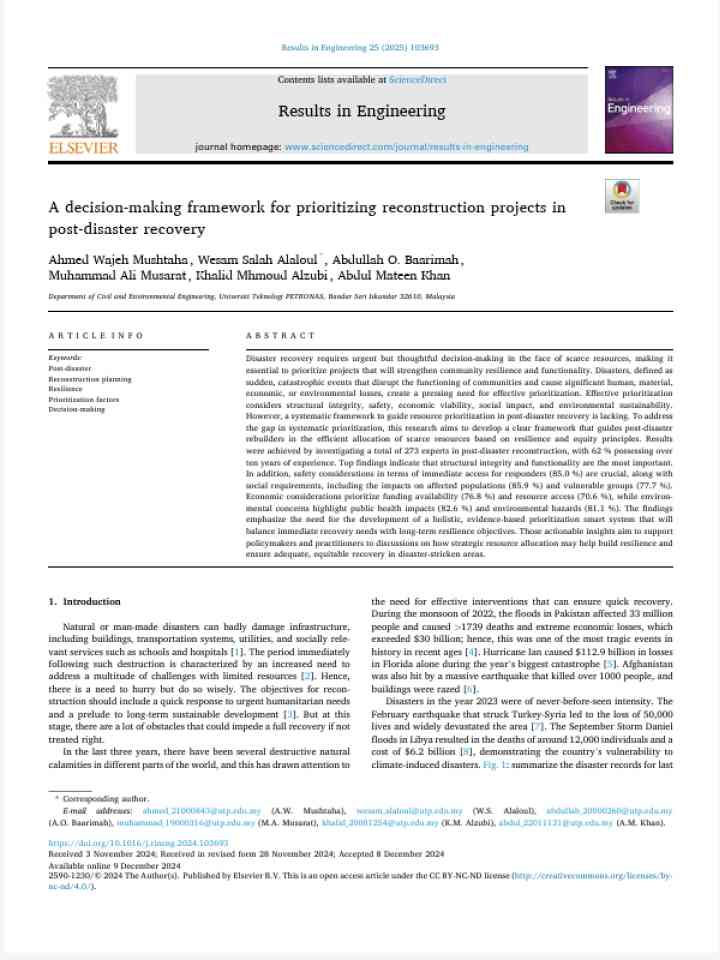
This research aims to develop a clear framework that guides post-disaster rebuilders in the efficient allocation of scarce resources based on resilience and equity principles.
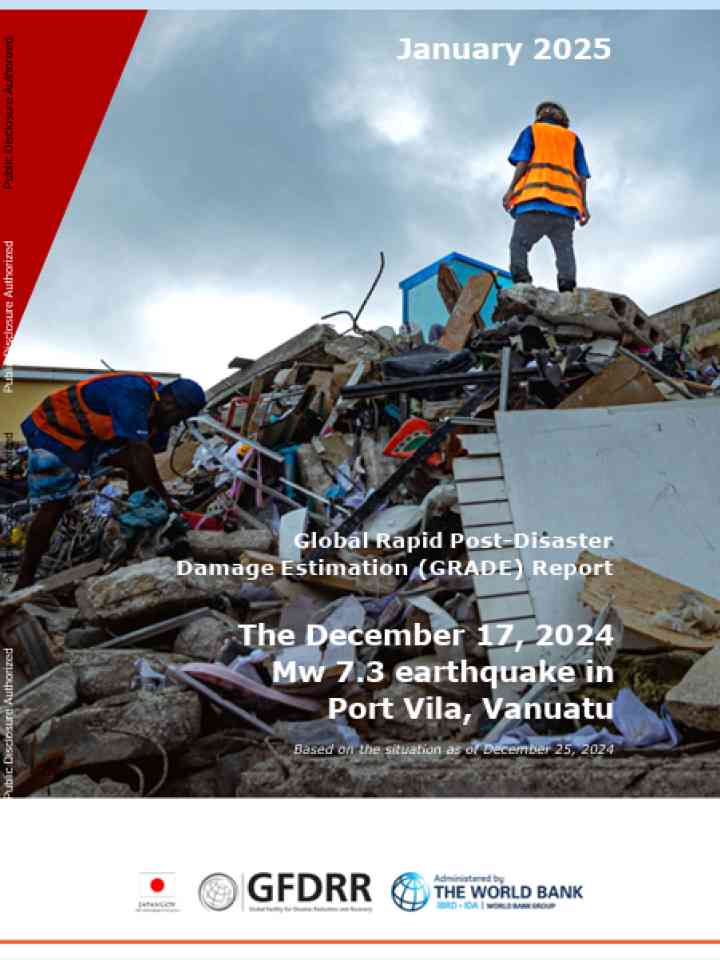
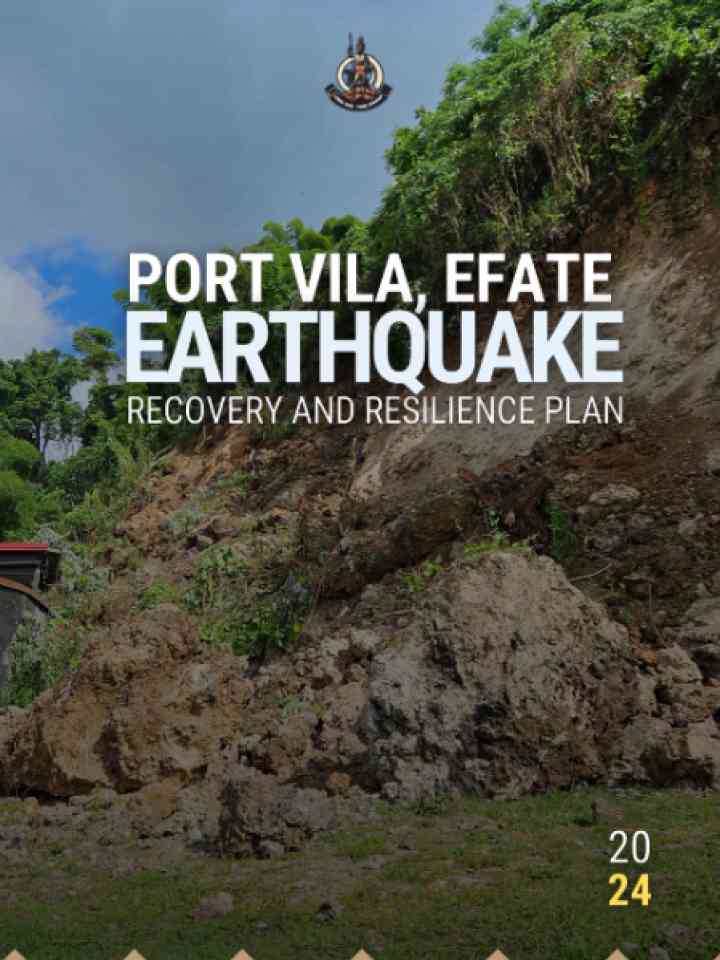
The objectives of this report include providing an estimate of the direct economic damage to physical assets caused by the December 17, 2024, earthquake in Vanuatu.
World Bank, the
Global Facility for Disaster Reduction and Recovery, the (GFDRR)
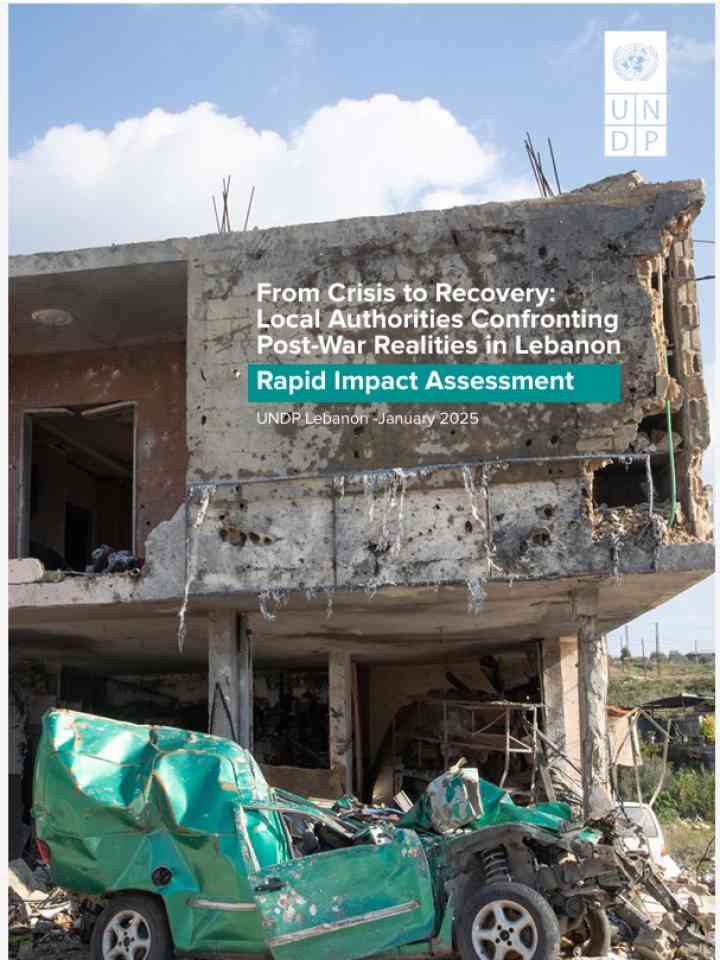
This report examines the impact of hostilities and the post-escalation conditions of affected municipalities in Lebanon. It focuses on displacement, infrastructure damage, socio-economic conditions, and initial recovery needs.
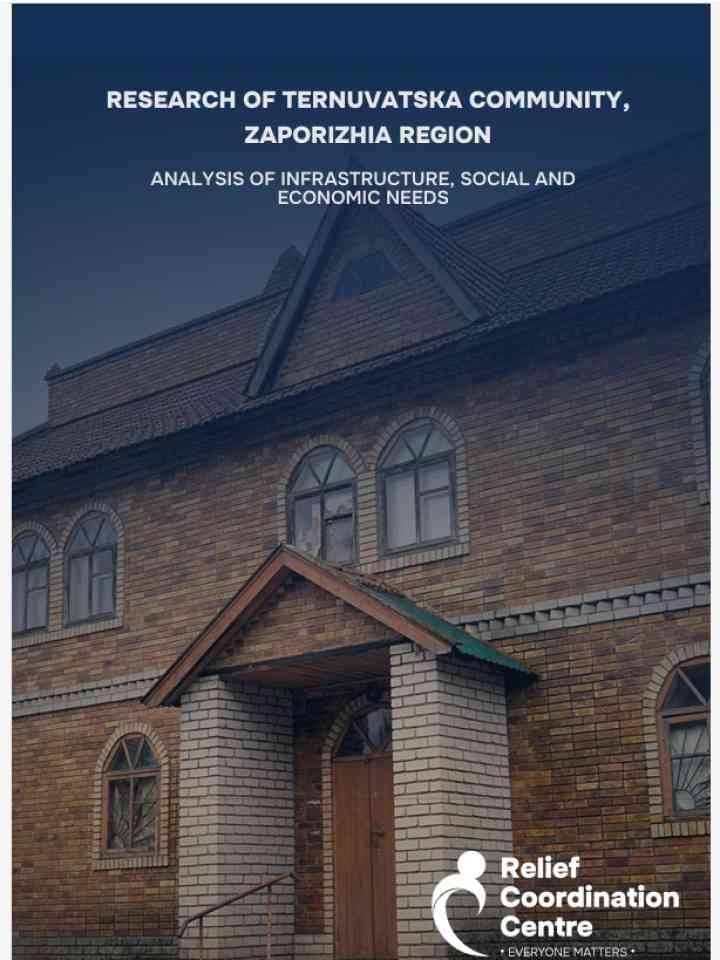
The research on the Ternuvatska Community analyzes its infrastructure, social, and economic needs, focusing on recovery strategies to address war-related damage, demographic challenges.
The Earthquake Recovery and Resilience Plan for Vanuatu aims to address the immediate needs of affected populations while building long-term resilience across all sectors of society and the economy.
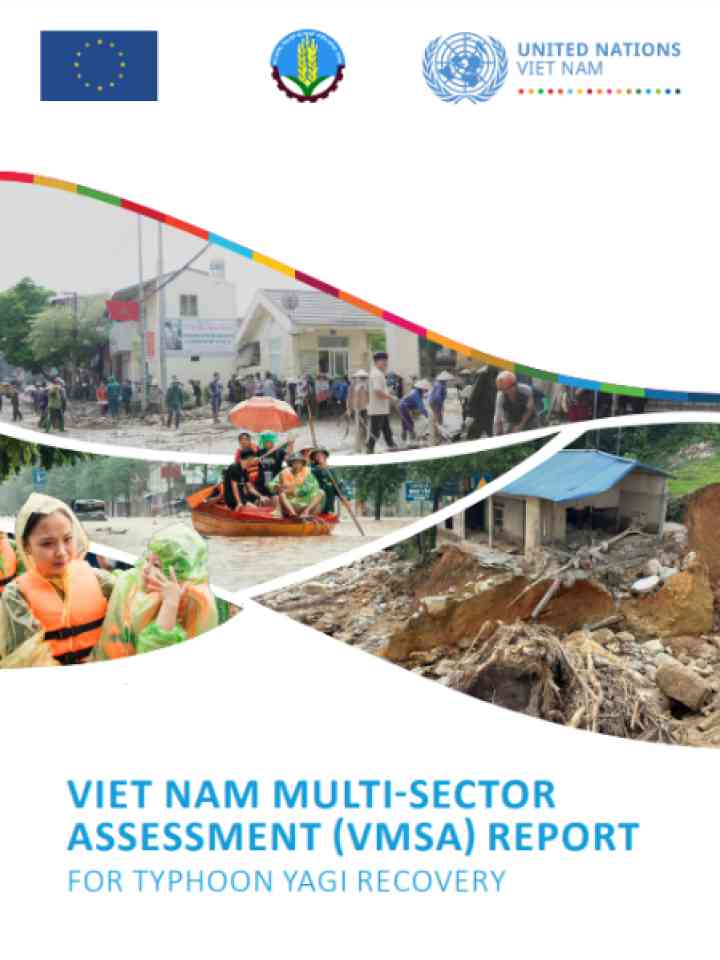
This Multi-Sectoral Assessment for Recovery from Typhoon Yagi (VMSA) was conducted to assess the full extent of the impact of the typhoon in Vietnam and propose appropriate recommendations for sustainable recovery across all affected sectors.
This paper estimates the differentiated economic impact of natural hazard-related disasters (the specific disasters and climate shocks studied here being floods) when they occur in conflict versus non-conflict affected areas.
World Bank, the
Global Facility for Disaster Reduction and Recovery, the (GFDRR)
The document emphasizes the importance of inclusive and resilient disaster recovery, at all levels to address the increasing challenges posed by climate change and compounding disaster losses.
United Nations Office for Disaster Risk Reduction (UNDRR)