This document presents a framework for mental health and psychosocial support in radiological and nuclear emergencies, the first of its kind to bring together existing knowledge at the intersection of mental health and radiation protection. It is intended for officials and specialists involved in radiation emergency planning and risk management as well as MHPSS experts working in health emergencies.
This assessment has been developed in line with the findings and recommendations of the joint United Nations Socio-Economic Impact Assessment of COVID-19 in Fiji.
Older adults consistently experience the greatest proportion of casualties during and after natural disasters compared to younger age groups. In 2005, approximately half of all deaths resulting from Hurricane Katrina were among persons age 75 years or
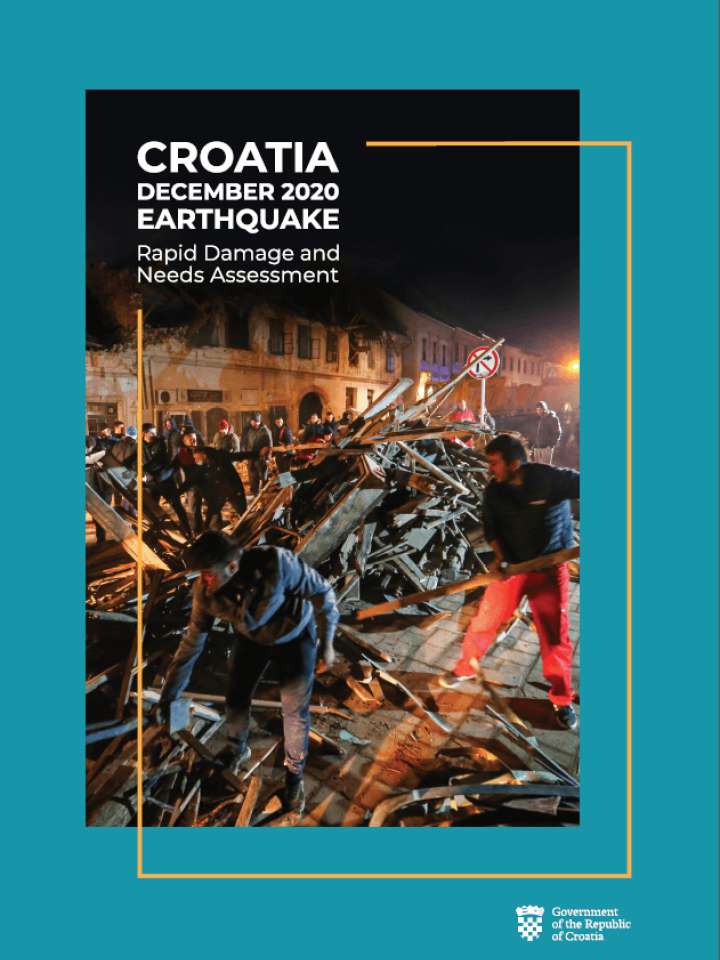
This report provides a structured account of the sectoral, economic, and social impact of the earthquakes which struck Croatia between December 2020 and January 2021. It highlights key findings and provides recommendations for recovery and reconstruction.
The UNCT in Angola prepared this UN Socio-Economic Response Plan to COVID-19, which addresses both programmatic and policy support national needs, to which a budget is attached with costs and financial gaps.
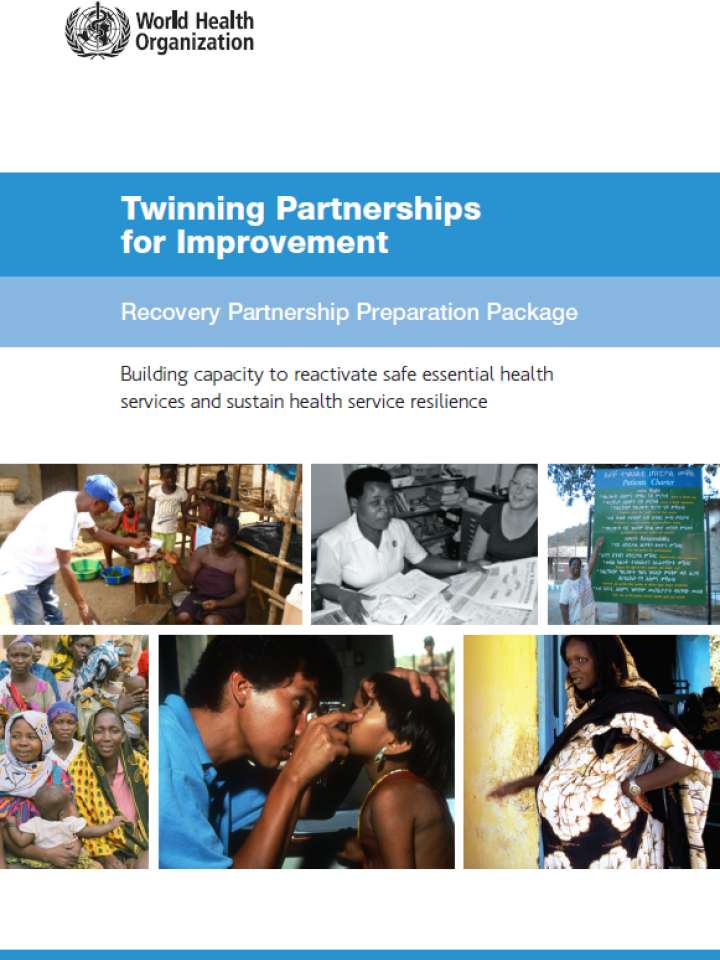
In the aftermath of an emergency, the recovery partnership preparation package supports the establishment and implementation of institutional health partnerships, or ‘twinning partnerships’. These partnerships focus on shared learning and improvement in
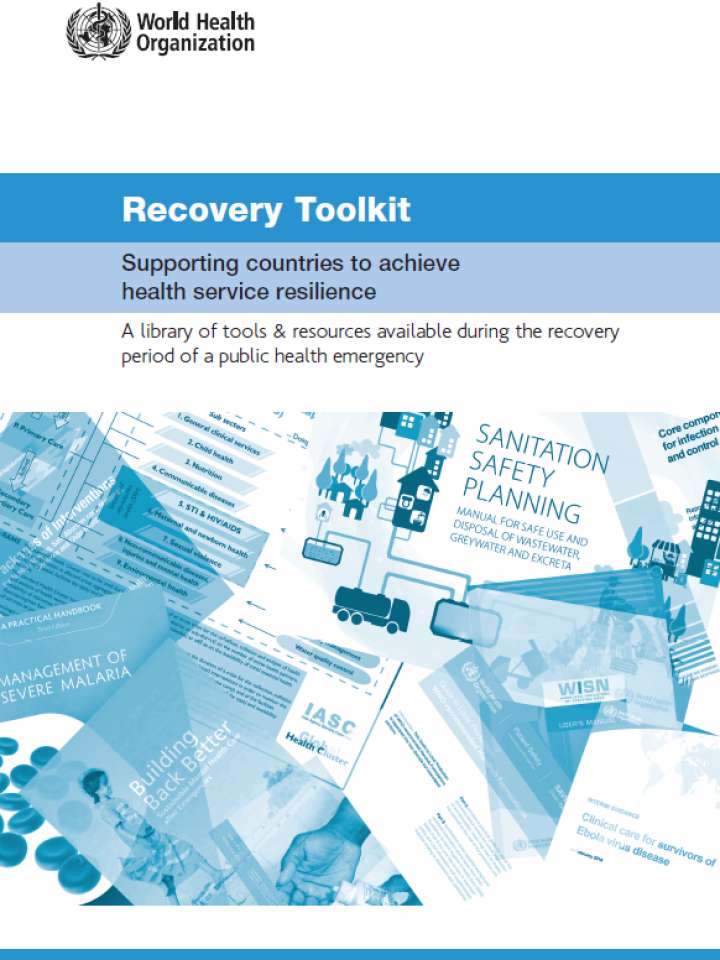
The recovery toolkit is a library of guidance resources in a single place which can be quickly and easily accessed, to guide action. A key purpose of the Recovery Toolkit is to support countries in the reactivation of health services which may have suffered as a result of the emergency.
This strategy report offers a policy-focused analysis of the world we will face once the pandemic has passed. At a time when all assumptions about the shape of Australian society and the broader global order are being challenged, there is a need to take