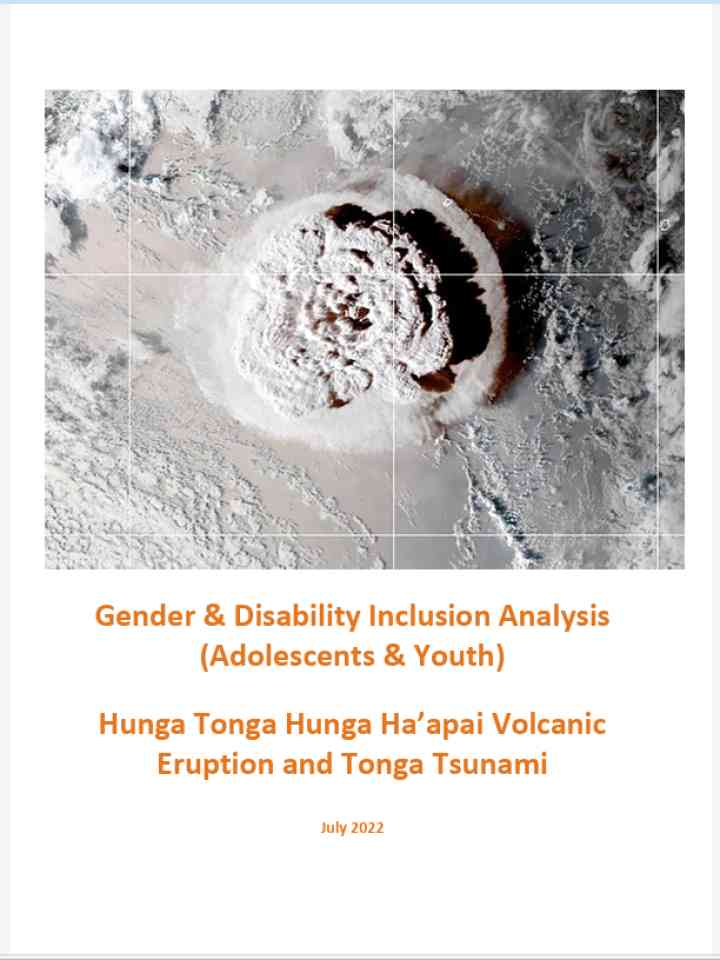
This analysis examines how the Hunga Tonga–Hunga Haʻapai volcanic eruption and tsunami affected adolescents and youth, including those with disabilities, highlighting gendered impacts, protection risks, and inclusion gaps in response and recovery.
The Joint Communique sets out the agreements reached at the conclusion of the 5th Edition of the World Reconstruction Conference on 23-25 May 2022 in Bali, Indonesia.
World Bank, the
Global Facility for Disaster Reduction and Recovery, the (GFDRR)
United Nations Development Programme (UNDP)
United Nations Development Programme (UNDP)
United Nations Office for Disaster Risk Reduction (UNDRR)
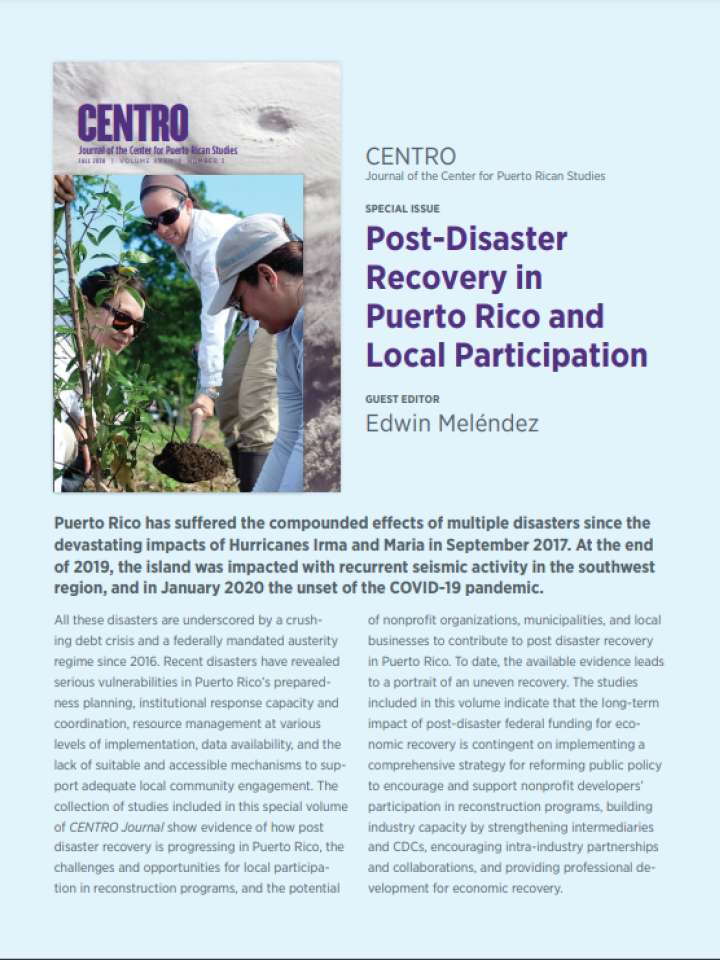
This document shows the post disaster recovery progress, the challenges and opportunities for local participation, and the potential contribution of nonprofit organizations, municipalities, and local businesses to post disaster recovery in Puerto Rico.
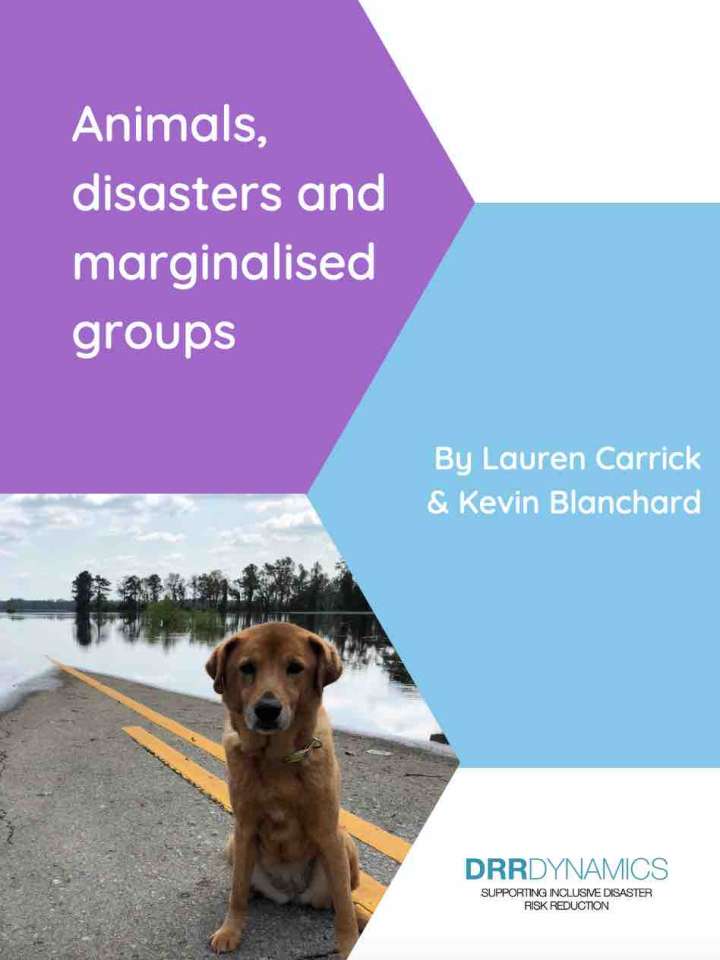
This briefing note highlights the gaps which need addressing in policy and practice and provides key recommendations for policy makers in relation to the role of animals for disaster recovery in society, ownership and marginalised groups.
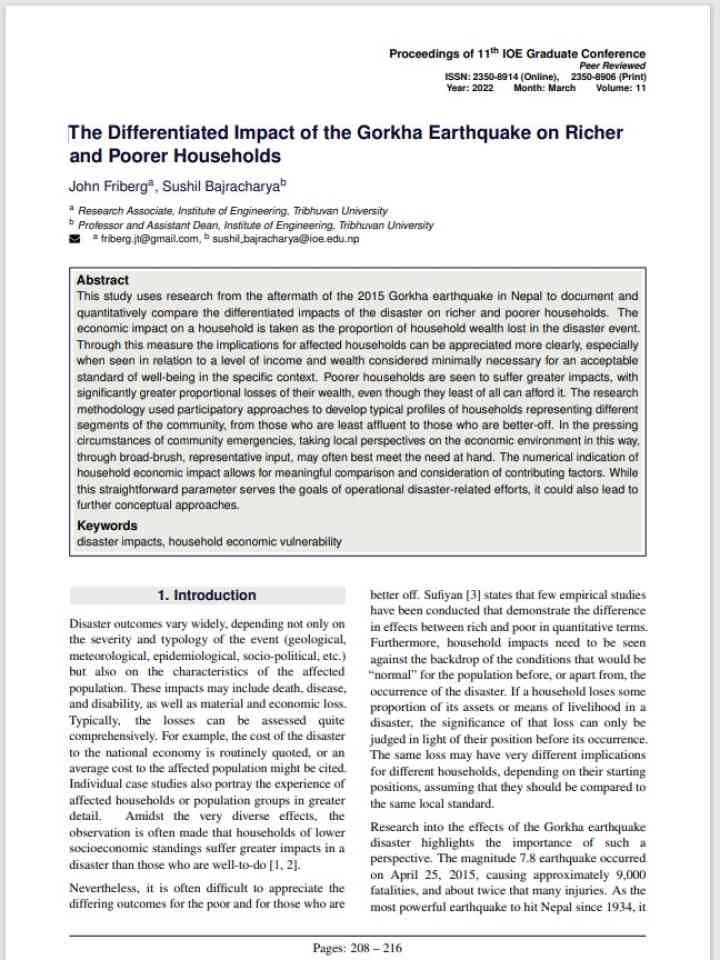
This study uses research from the aftermath of the 2015 Gorkha earthquake in Nepal to document and quantitatively compare the differentiated impacts of the disaster on richer and poorer households.
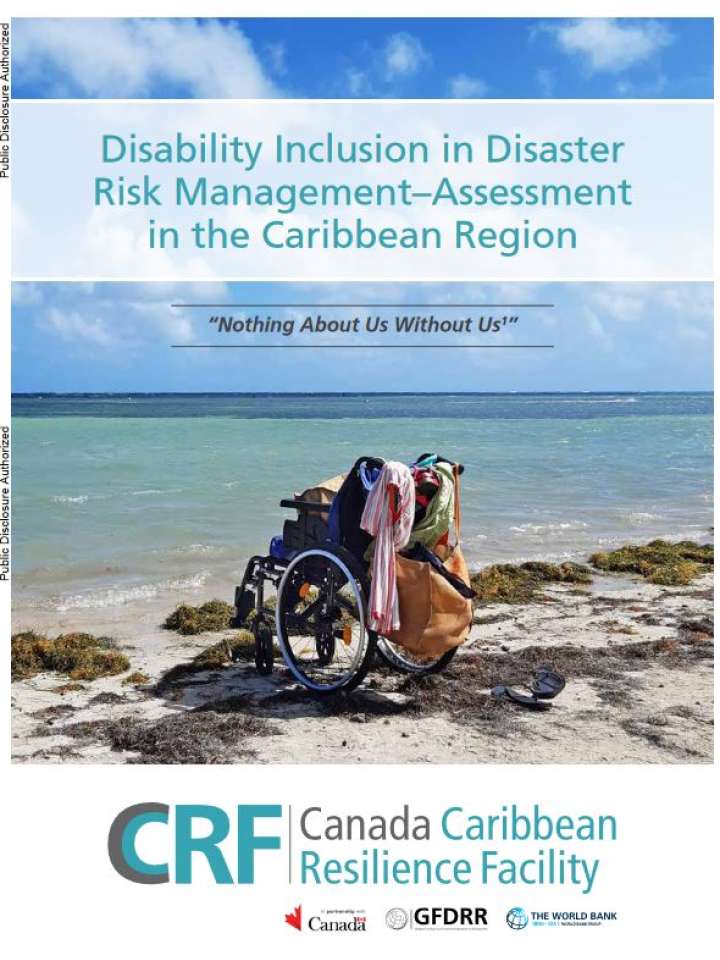
The primary purpose of this assessment is to understand gaps better in the inclusion of persons with disabilities in national disaster risk management (DRM) and climate resilience (CR) processes and strategies in the Caribbean.
World Bank, the
Global Facility for Disaster Reduction and Recovery, the (GFDRR)
The primary objective of this tool is to guide Disaster Risk Reduction (DRR) and civil protection professionals to the practical information they need to ensure that their work is fully inclusive.
This document is intended to guide local authorities and First Nations as they plan for postdisaster recovery. It is scalable and can be used from a small event (e.g. single apartment fire) to a large event (e.g. wildfire event).
This research on (in)visible communities confronting climate change and environmental injustice asks how climate-induced disasters intensify social inequities. This research shows that more equitable approaches to disaster preparation are possible.