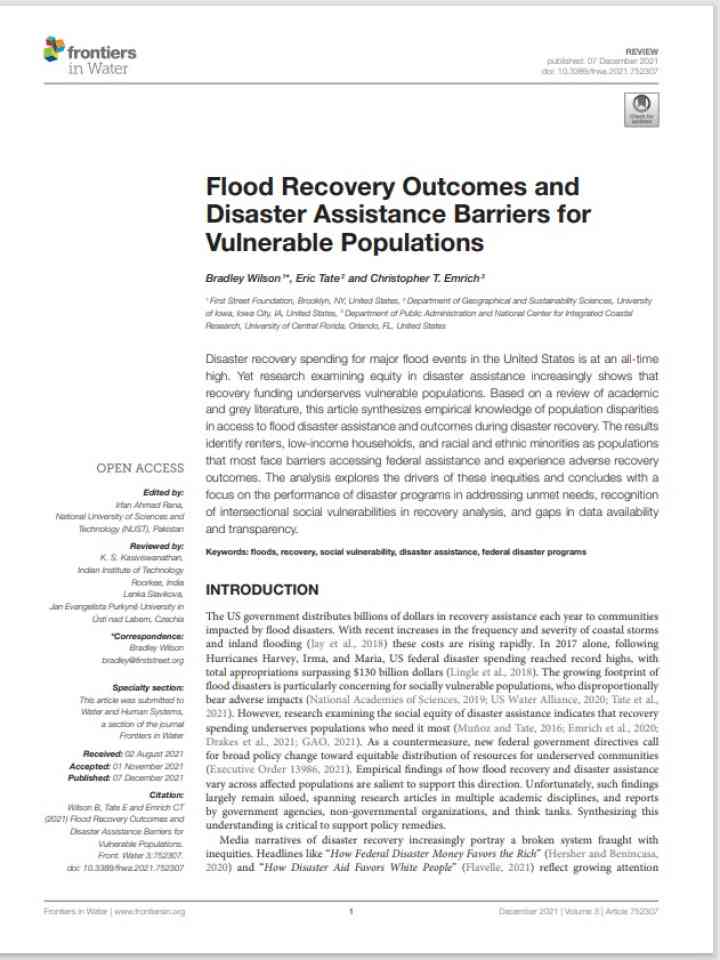
Based on a review of academic and grey literature, this article synthesizes empirical knowledge of population disparities in access to flood disaster assistance and outcomes during disaster recovery.
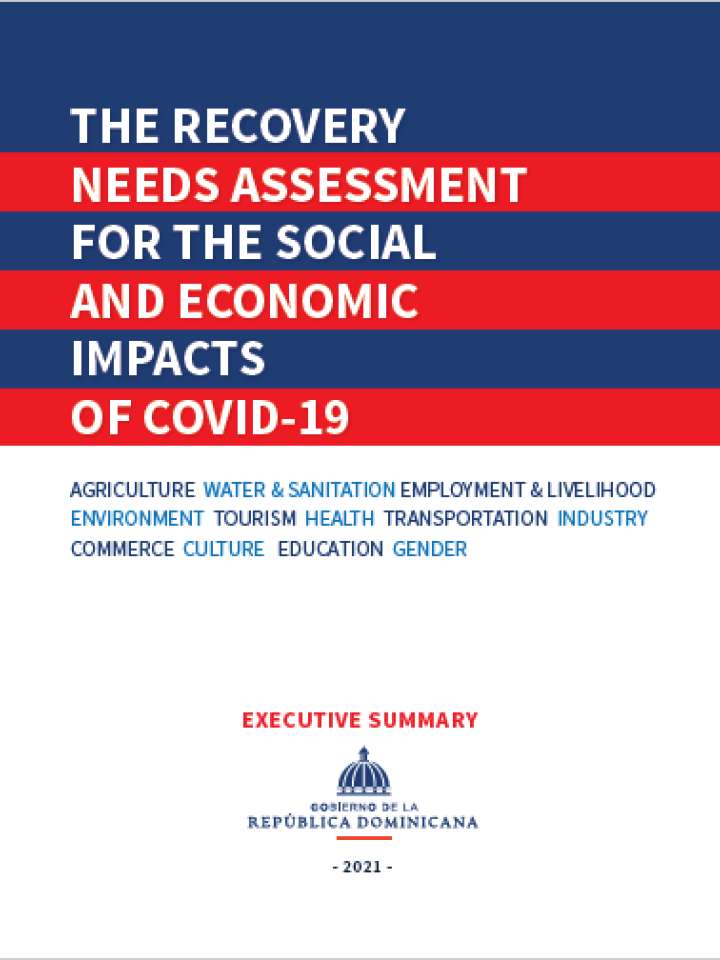
This evaluation is intended to provide reliable and timely information to guide the formulation of short and long- term recovery strategies from the impacts of the COVID-19 pandemic.
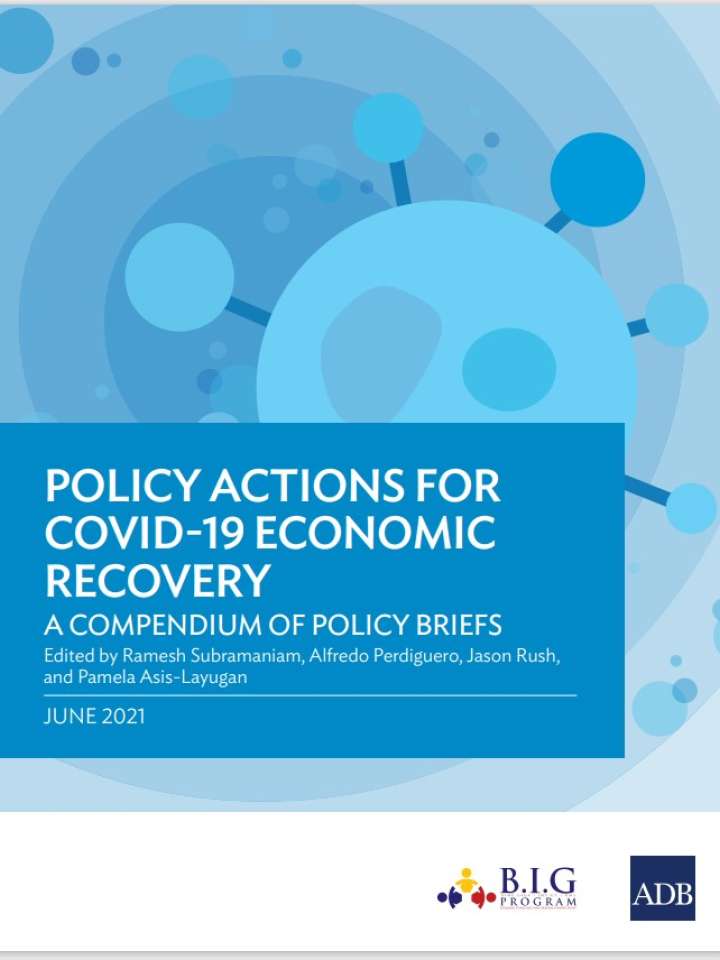
This compendium of policy briefs from the PACER Dialogues highlights discussions, recommendations, and actionable insights for Southeast Asian countries and the People’s Republic of China as they pave the way for post-COVID-19 recovery.
This research, conducted for the people of Al Raqqa, a city that endured some of the heaviest fighting and bombing in the Syrian conflict, aimed to better understand their needs, future priorities, specific risks, and opportunities.
The paper tries to study and evaluate these factors that lead to faster resilience of Kerala’s state to model a flexible and more effective urban resilient planning approach.
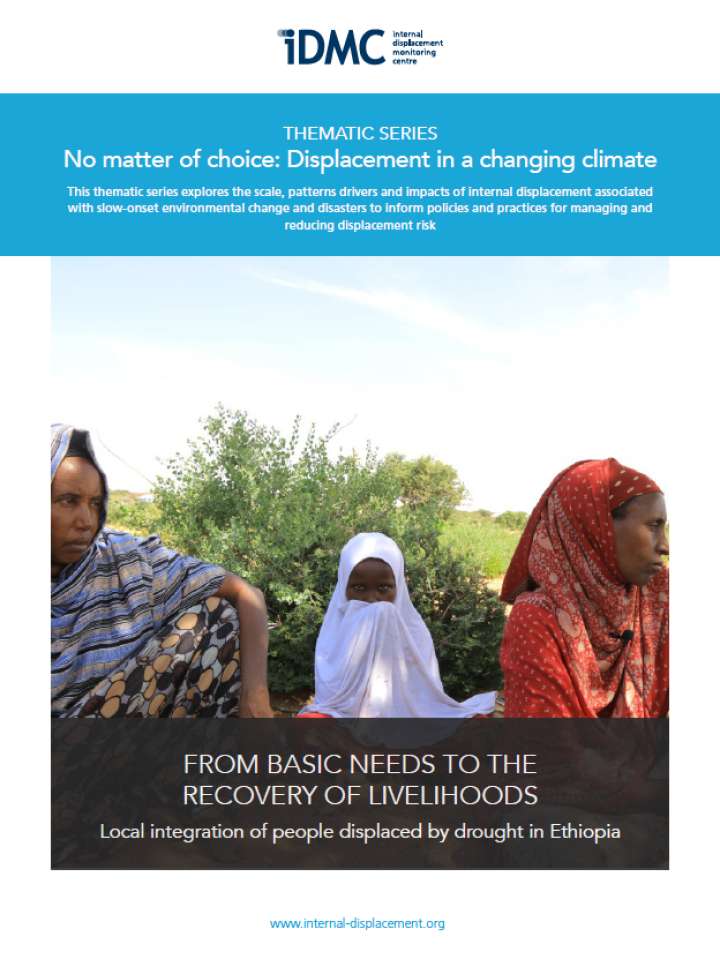
This report explores the current situation of internally displaced people (IDPs) three years after the last drought in 2017, looking at the same locations as the research carried out in 2019. It examines local integration efforts carried out through
The fortnightly briefing, produced by Alliance MBS and the Humanitarian and Conflict Response Institute, brings together international lessons for local and national government recovery and renewal in the wake of the pandemic, and has been running ever
This document is about the challenges and opportunities faced by the International Development Association (IDA) countries in responding to COVID-19 and building back better (BBB) towards the 2030 Agenda.
World Bank, the
Global Facility for Disaster Reduction and Recovery, the (GFDRR)