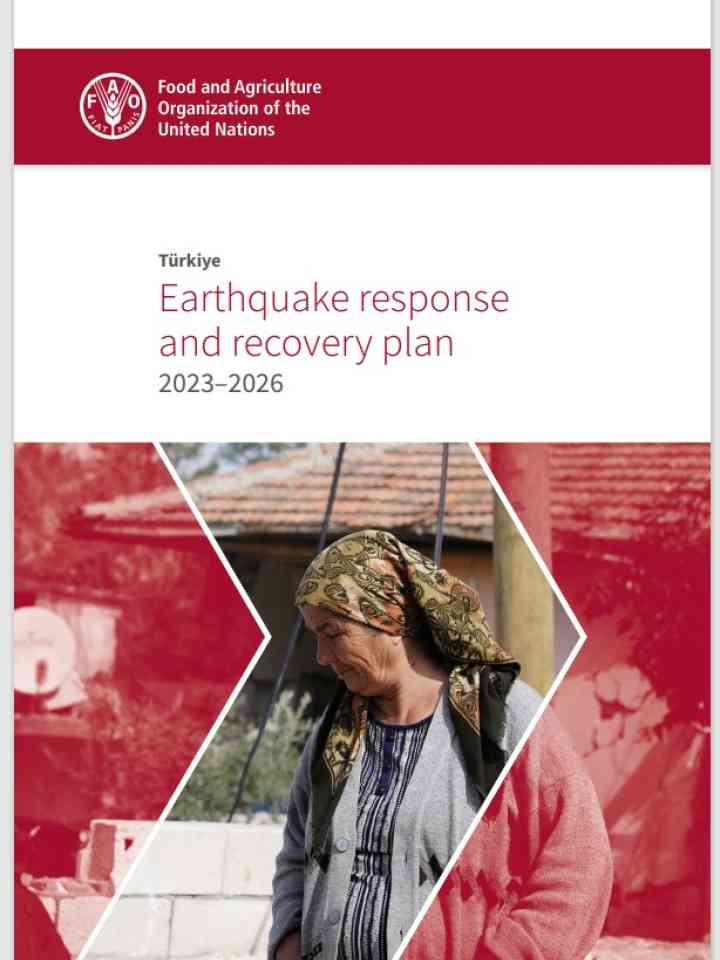
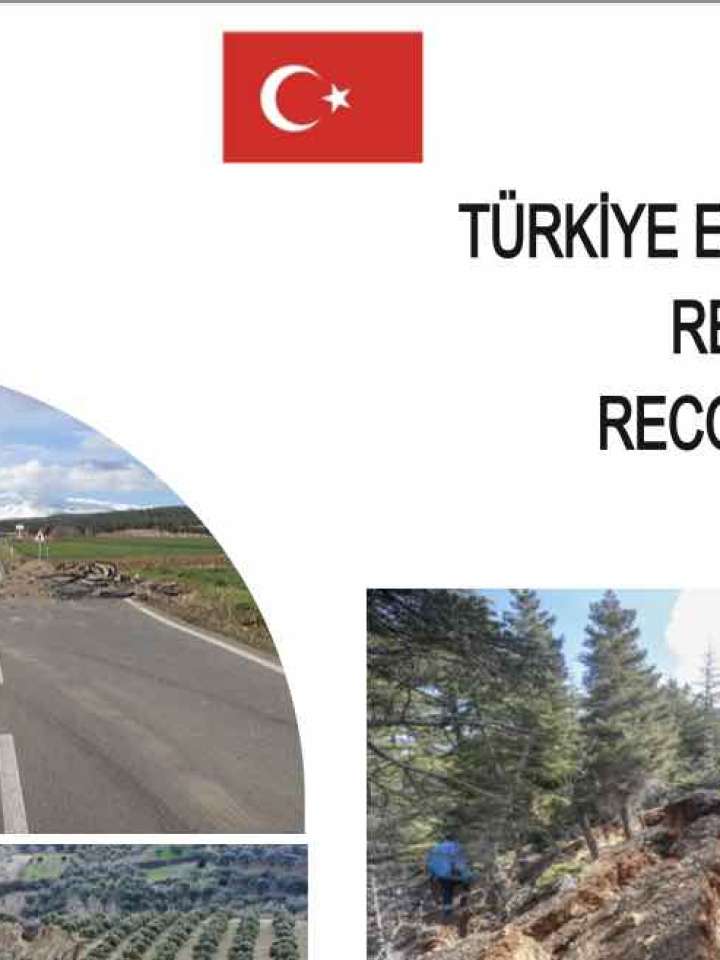
This document has been developed in partnership with the Government of Türkiye to address the devastating impact of the February 2023 earthquakes on the agriculture and rural sectors.
Food and Agriculture Organization of the United Nations (FAO)
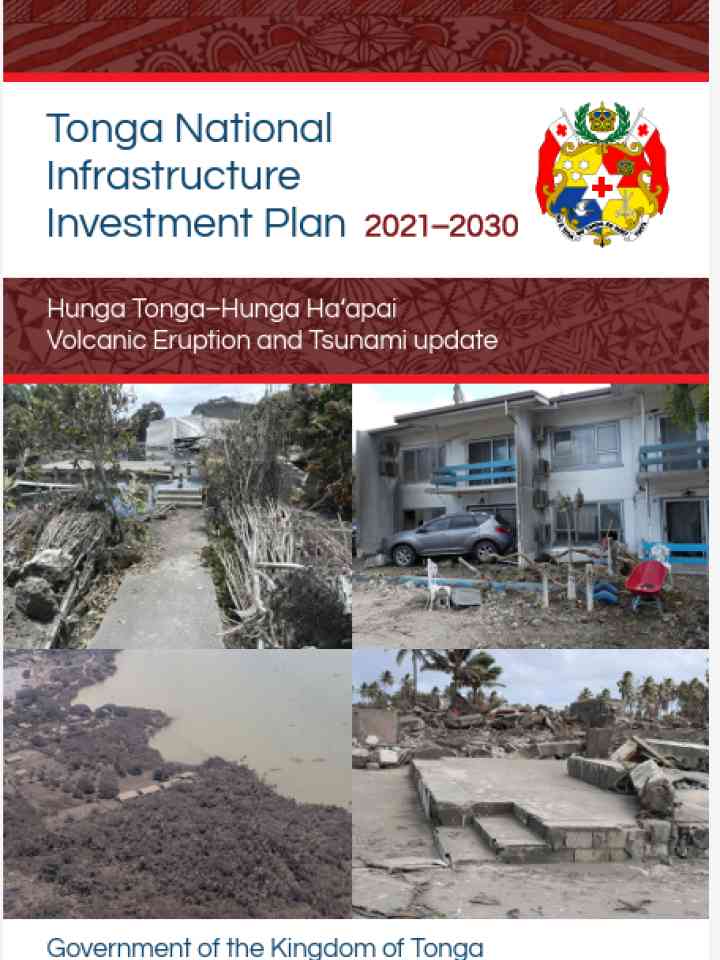
This report updates Tonga’s National Infrastructure Investment Plan to incorporate recovery and resilience priorities following the Hunga Tonga–Hunga Haʻapai volcanic eruption and tsunami, guiding infrastructure investment decisions.
This report examines Nepal's existing policies regarding environmentally sustainable shelter practices, identifies gaps in these frameworks, and recommends comprehensive policy development to enhance green recovery following disasters.
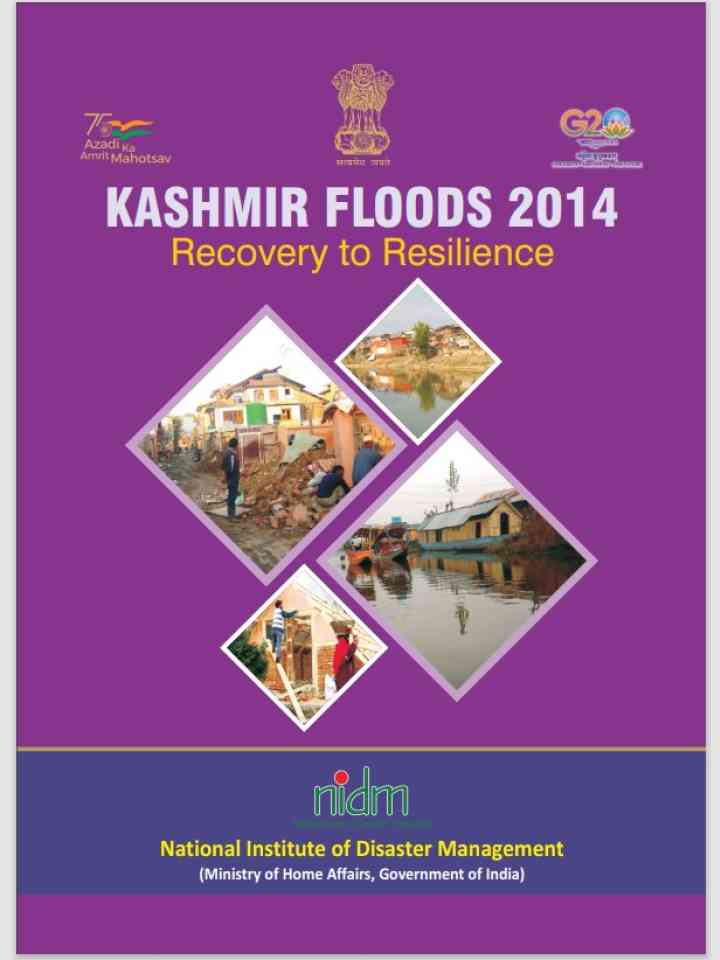
The flood of 2014 in the Kashmir Valley was the worst flood in the last hundred years. This document has also suggested long-term measures that should be taken for building resilience.
This paper is an attempt to draw focus on the issue of managing solid waste in post-disaster situations in the context of India and to prepare conclusions, recommendations and way forward for managing wastes during and after the disasters.
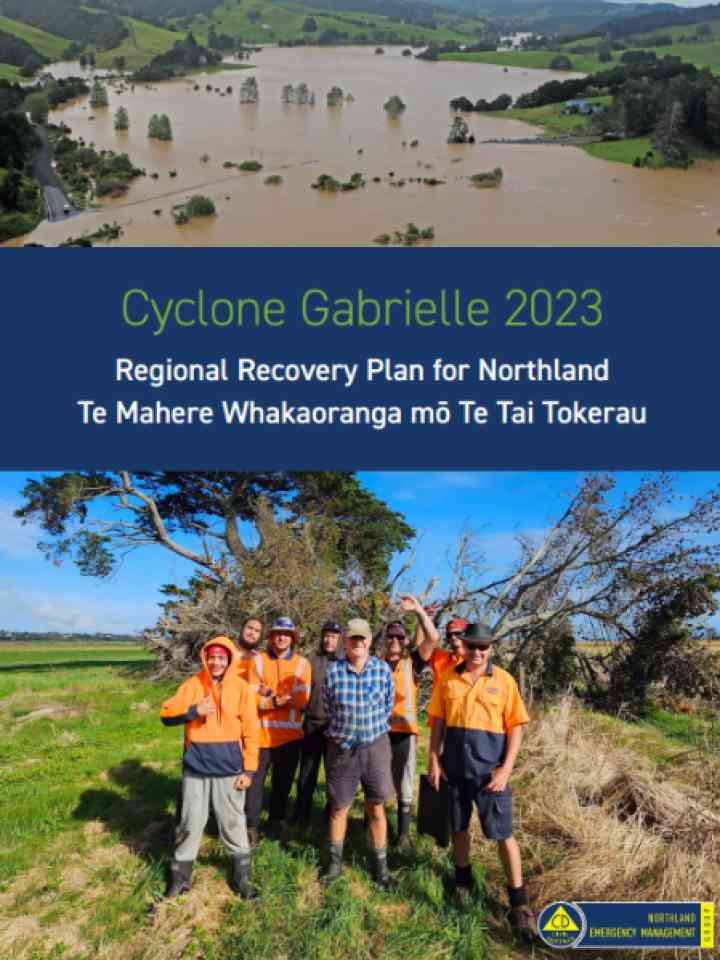
This Regional Recovery Plan captures the key Recovery work needed in Te Tai Tokerau Northland due to Cyclone Gabrielle, and the subsequent rain and flood event at Mangawhai, which affected our region for two weeks in February 2023.
Ministry of Civil Defence and Emergency Management
The Syria Rapid Damage and Needs Assessment assesses the impact of the February 2023 Turkiye-Syria earthquakes in the six most affected areas. It provides a preliminary estimate of infrastructure reconstruction and service delivery restoration needs.
Global Facility for Disaster Reduction and Recovery, the (GFDRR)
The recovery and reconstruction assessment presented here comprises of an assessment of the financial impact of the earthquakes which struck Turkiye and Syria in February 2023, applying modified PDNA methodology, and a “recovery vision.”
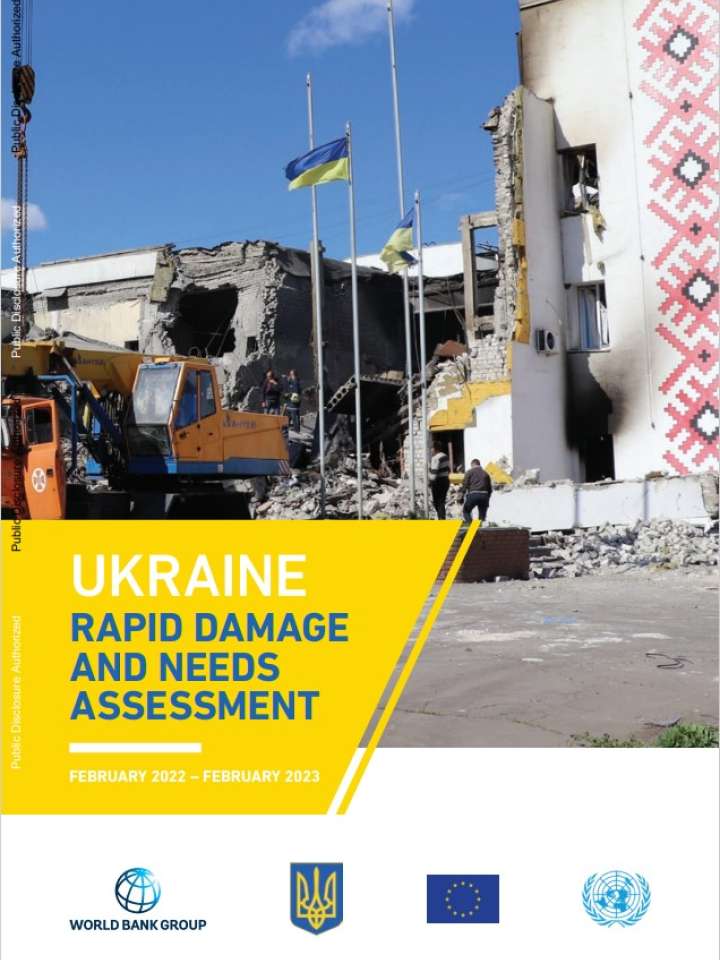
This assessment is part of an ongoing effort to take stock of Ukraine’s damage and losses from the war. It aims to assess the scale of economic and social needs for Ukraine’s survival during the war and it's prosperity afterward.
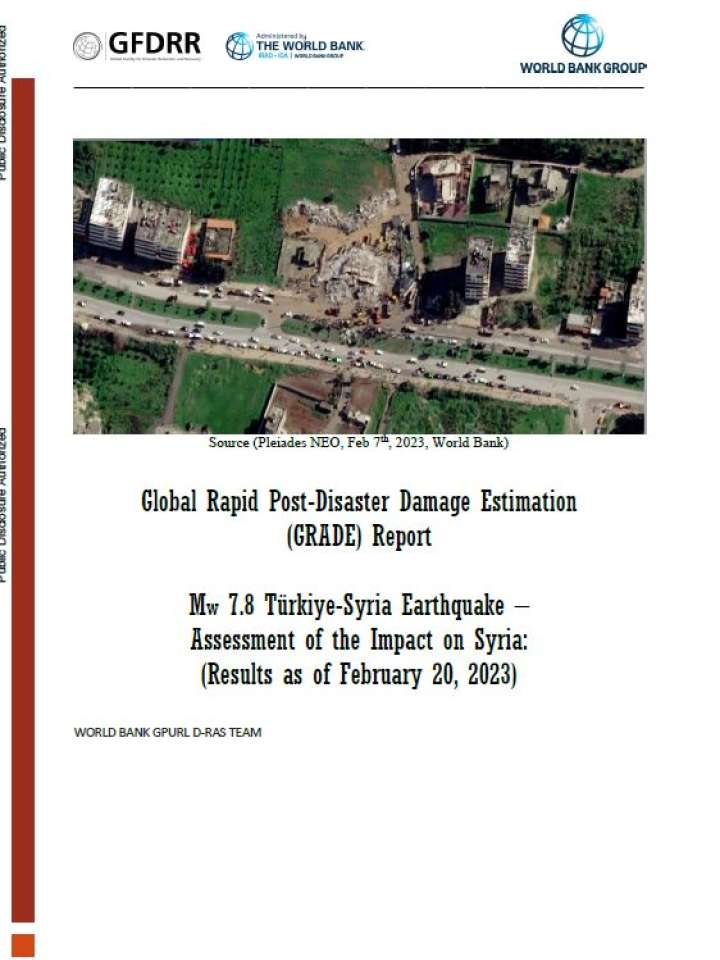
The objective of the assessment is to develop a model-based estimate of the direct physical damages to residential buildings (houses) and non-residential buildings caused by the event, and to evaluate the spatial distribution of damages.