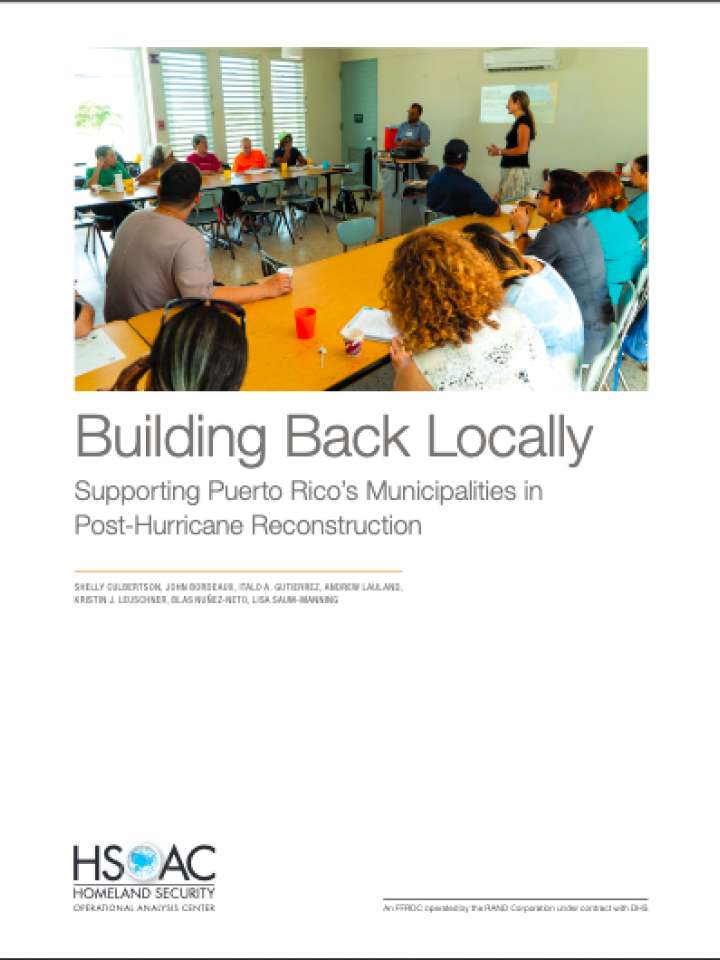
Drawing on best-practice frameworks, available data, interviews with FEMA and COR3, and case studies, the authors analyze Puerto Rican municipalities' capacity and needs in four key areas: strategy, management, operations, and finance and administration.
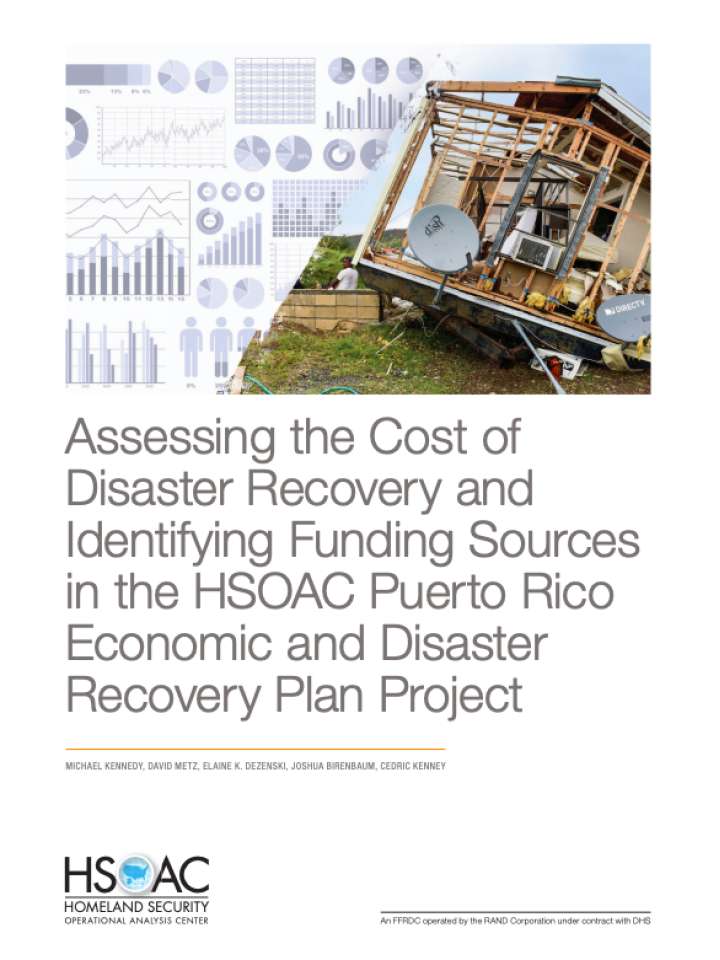
This report describes the work done on estimating the costs of, and identifying potential funding sources for, Puerto Rico’s economic and disaster recovery plan.
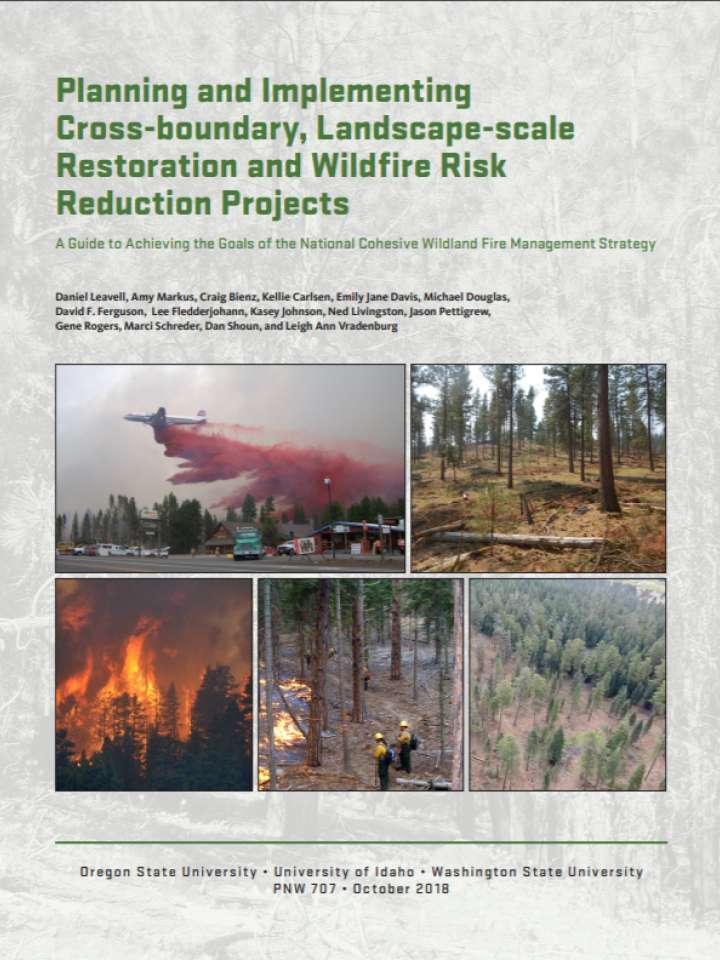
This guide describes the process of the Klamath-Lake Forest Partnership (KLFHP) has used to plan and implement cross-boundary restoration projects to achieve improved forest health conditions on large landscapes scales.
The purpose of this study is to analyze optimization-based decision-making models for the problem of Disaster Recovery Planning of Transportation Networks (DRPTN).
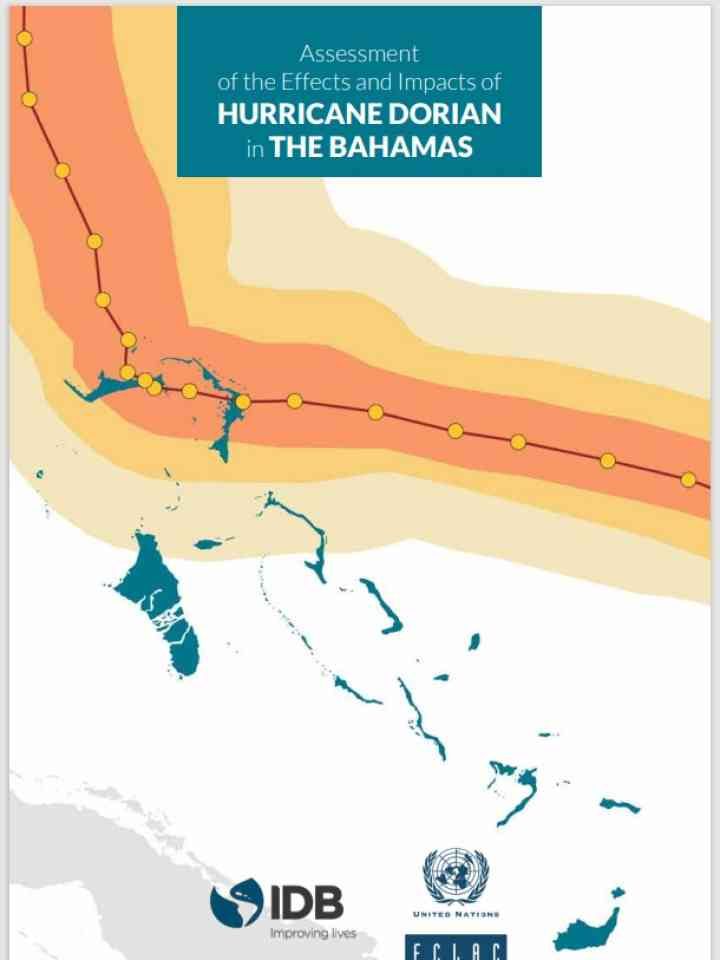
The report evaluates Hurricane Dorian's devastating impact on The Bahamas, estimating $2.5 billion in damage and highlighting the need for resilient reconstruction and improved disaster preparedness across all sectors.
Inter-American Development Bank (IDB)
Economic Commission for Latin America and the Caribbean (ECLAC/CEPAL)
The Post-Event Review Capability (PERC), which was launched in 2013 by the Zurich Flood Resilience Alliance, provides a process and framework for the systematic analysis of a disaster event, focusing on how a specific hazard event became a disaster.
Institute for Social and Environmental Transition - International (ISET)
The Kerala floods demonstrated how the usage of Information Technology (IT) and social media backed by public volunteering could build a self-evolving data crowdsourced platform that could aid the rescue and rehabilitation processes.
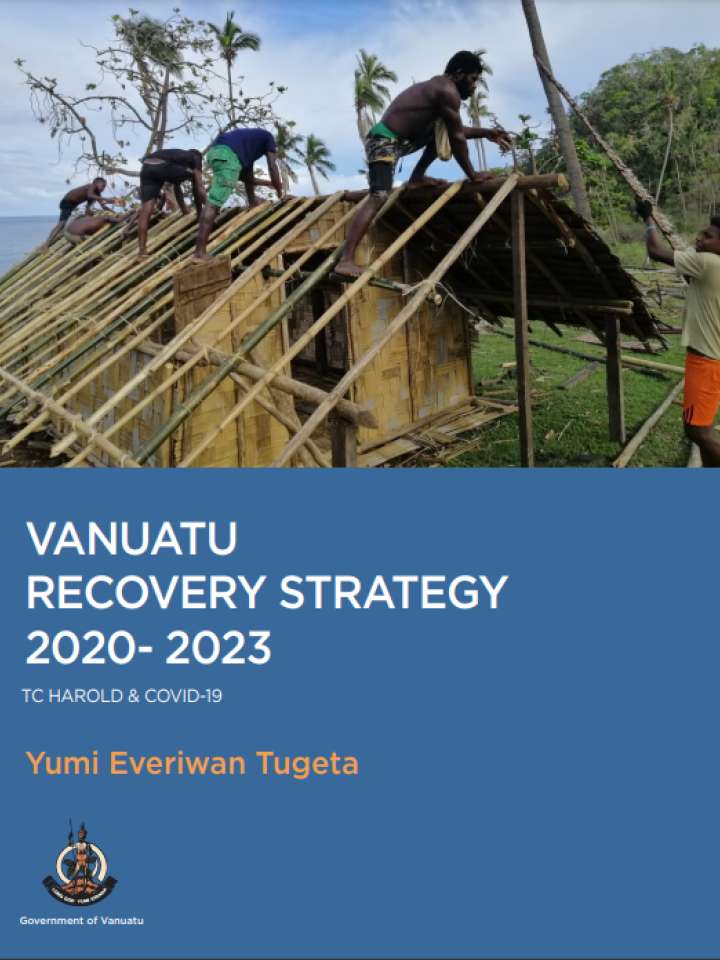
The aim of the Vanuatu Recovery Strategy is to support communities impacted by TC Harold and COVID-19, by providing a framework to recover, rebuild and emerge stronger and more resilient.