This 2016 Haiti post-disaster needs assessment reports on the damage caused by the cyclone Mathieu and incurred needs and costs and presents the recommended recovery strategy for an adequate response to the post-disaster situation.
This paper discusses the post-conflict health system recovery process, including integration of disaster risk reduction (DRR) into health recovery interventions, its strengths, challenges and lessons learnt. It seeks to inform the post-2015 Hyogo Framework for Action (HFA) post-conflict/disaster health system recovery agenda in Africa.
United Nations Office for Disaster Risk Reduction (UNDRR)
This Guidance Note for Post-Disaster Health Sector Recovery is intended to provide action-oriented guidance to local and central government health sector officials who face post-disaster challenges related to health sector recovery.
Pan American Health Organization
International Recovery Platform
Global Facility for Disaster Reduction and Recovery, the (GFDRR)
The Recovery and Peacebuilding Assessment is an approach to identify and address recovery and peacebuilding requirements and lays the foundations for a longer-term strategy in a country facing conflict or transitioning out of a conflict-related crisis.
United Nations Development Programme (UNDP)
Global Facility for Disaster Reduction and Recovery, the (GFDRR)
This paper is aimed at elaborating the changes of policies and regulations in Aceh captured and monitored during 12-year of the tsunami recovery process.
This document provides a brief overview of the efforts of the Government of Myanmar, the Global Facility for Disaster Reduction and Recovery (GFDRR), the World Bank, and more than 17 partner organizations to rapidly assess the damages and priority interventions across 14 sectors after the intense flooding and landslides from July to September 2015. This paper adds to an in-depth dialogue on disaster risk management (DRM) with the Government, thereby leveraging multiple projects and focusing on recovery and reconstruction in the agriculture and transport sectors, strengthening DRM.
Global Facility for Disaster Reduction and Recovery, the (GFDRR)
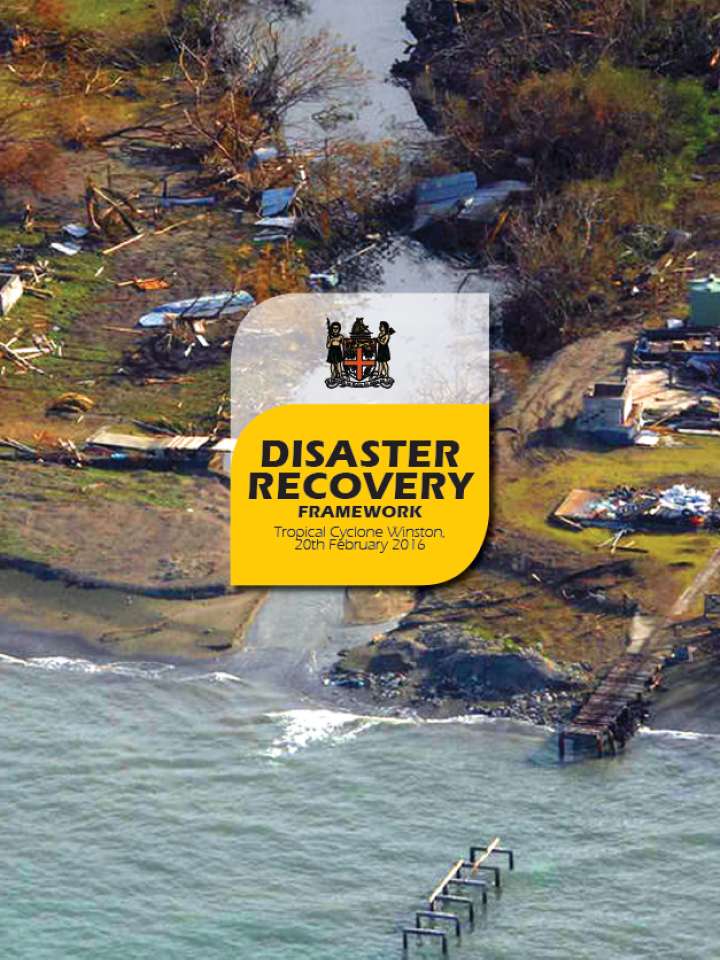
This DRF guides the planning and implementation of recovery programmes and projects, providing overall direction to the government, the private sector, development partners, civil society and communities.
This briefing examines the challenges the city government faced, first in the immediate humanitarian response and later during the recovery and rehabilitation phases. Drawing on these experiences, it makes recommendations for local and national government and humanitarian agencies to improve their capacity for a more coordinated, efficient and sustainable response to future disasters.
International Institute for Environment and Development (IIED)