Navigation failed to load. If you are on the UNDRR office network, your browser may be blocking access to external resources. Learn how to allow access.
The Queensland Disaster Management Act 2003 (the Act) forms the legislative basis for disaster management activities within all levels of Government and the Queensland Disaster Management System. One of the key responsibilities outlined in the Act is for the establishment of a State Disaster Management Group. A key function of this Group is to develop a strategic policy framework for disaster management for the State.
As the result of the earthquake the lifelines in Bam, including public health services, totally broke down in the first 24-48 hrs. The Iranian authorities responded swiftly and the very acute phase of the response has ended. The urgent needs for health sector is being incorporated in the overall flash appeal launched on 8th January 2004 by OCHA. The present framework has been developed with the aim of in depth assessment of needs for medium-term rehabilitation of health as an integral component of the overall reconstruction.
The destructive Wenchuan Earthquake of magnitude 8.0 occurred at 2:28 p.m. local time on May 12, 2008, in the western Sichuan Province in China. The reconstruction of public and private housing has emerged as a key issue for the Government of China.
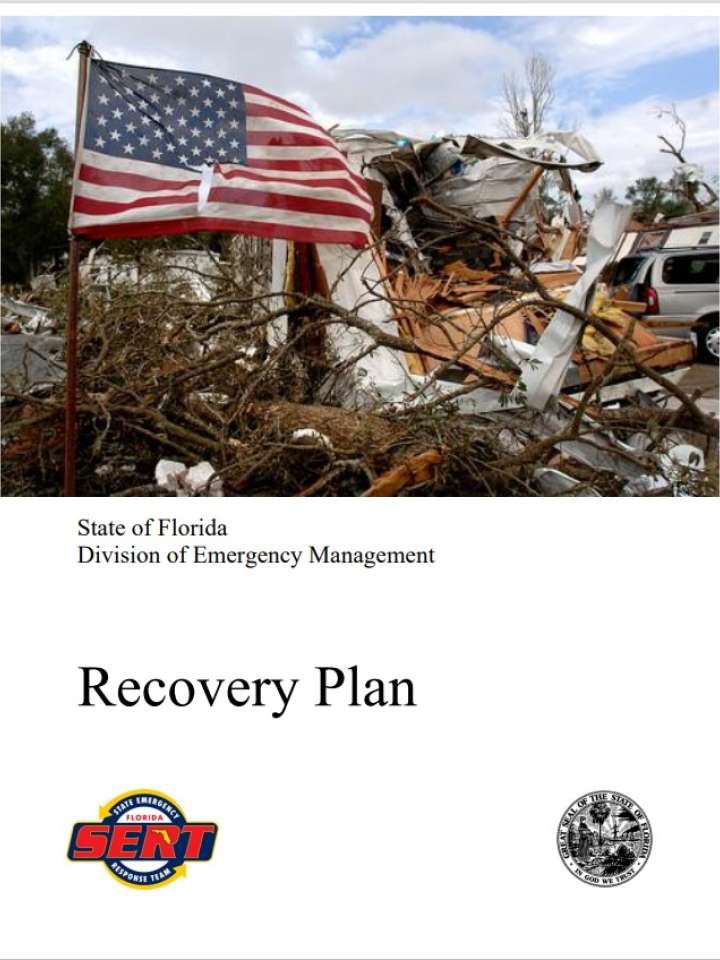
The State of Florida Recovery Plan outlines the methods and integration of principles to maximize recovery activities from disasters, detailing federal and state processes, field operations, and roles of recovery personnel.
Natural hazards pose a growing threat to developing countries that lack financial or material resources to mitigate their risks to catastrophes or recover from the effects. International aid is generously made available once a country is hit by a disaster. But when the humanitarian assistance phase is completed, affected countries have difficulty accessing funds for recovery interventions before longer-term reconstruction and development programs can commence. To bridge this gap, the Global Facility for Disaster Reduction and Recovery (GFDRR) established a global disaster recovery fund - the Standby Recovery Financing Facility (SRFF).
United Nations Office for Disaster Risk Reduction (UNDRR)
Global Facility for Disaster Reduction and Recovery, the (GFDRR)
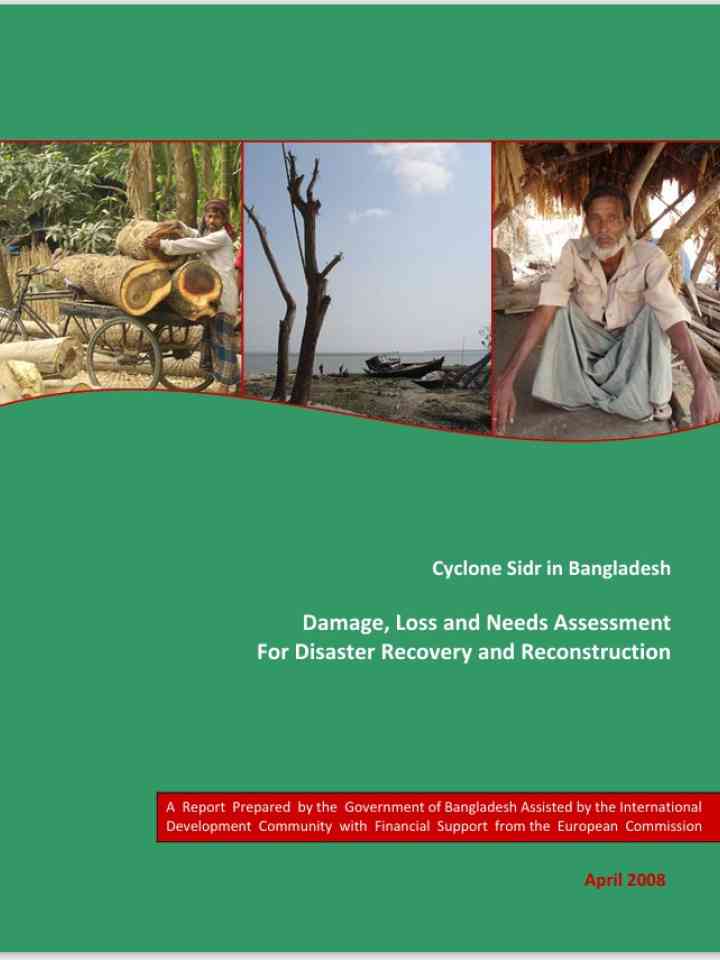
This document identifies the needs and quantified financial requirements that will facilitate formulating comprehensive early recovery actions, medium‐term recovery and reconstruction plans, and a long‐term risk management and reduction strategy.
Bangladesh - government
World Bank, the
European Commission
International Labour Organization (ILO)
International Federation of Red Cross and Red Crescent Societies (IFRC)
Asian Development Bank (ADB)
United Nations Development Programme (UNDP)
Japan Bank For International Cooperation
Japan International Cooperation Agency
Islamic Development Bank
Food and Agriculture Organization of the United Nations (FAO)
World Food Programme (WFP)
World Health Organization (WHO)
Department for International Development
United States Agency for International Development (USAID)
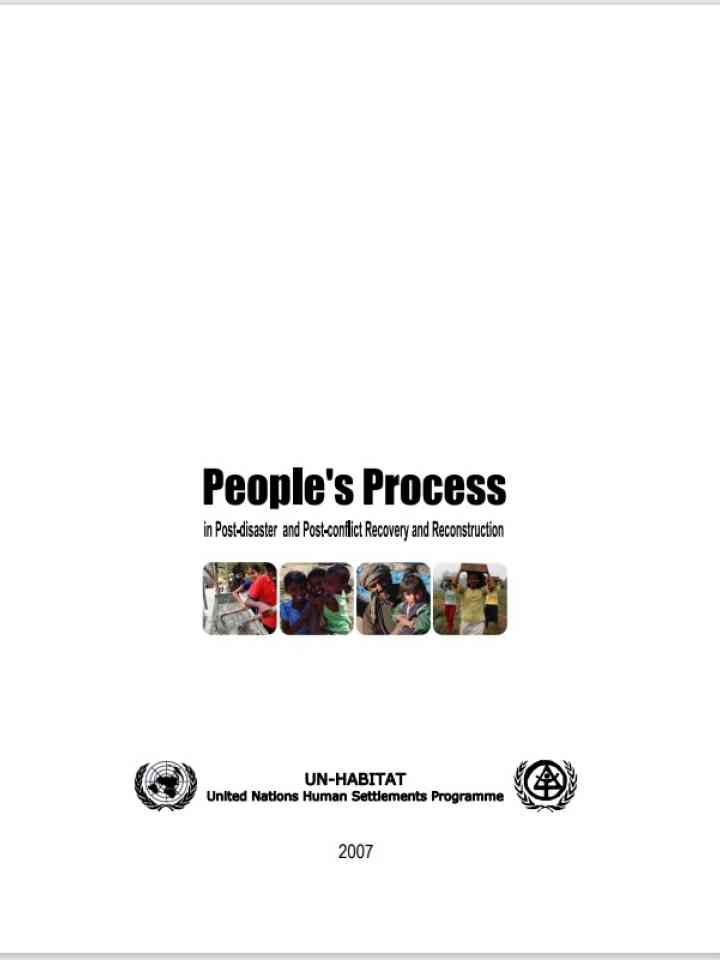
This guide presents a community-centered framework for recovery and reconstruction after disasters and conflicts, advocating for the involvement of affected populations in a seamless transition from emergency response to sustainable recovery efforts.
United Nations Human Settlements Programme (UN-HABITAT)
This case study presents how the Municipality of Patong converted the tragedy into an opportunity and stood up to the challenges posed by the Indian Ocean Tsunami event in clearing the destruction and re-launching itself in less than two years.