Clearly, in terms of disasters, the South-East Asia Region has been particularly hard-hit in the recent past. The earthquake and tsunami of 26 December 2004, which affected more than six countries of this part of the world, was one of the worst natural
This is an all-purpose handbook on how to build sustainability into a community during the recovery period after a disaster. It has background information, practical descriptions, and ideas about what sustainability is, why it is a good for a community
The Master Plan for Disaster Prevention and Mitigation establishes structural and non-structural intervention strategies to reduce vulnerability to disasters and create conditions for readiness and response in cases of emergency.
This report is a compilation of case studies and grapples with the crucial question of merging disaster management education into the broader agenda of education for sustainable development.
United Nations Educational, Scientific and Cultural Organization (UNESCO)
Graduate School of Global Environmental Studies, Kyoto University 地球環境学堂・地球環境学舎・三才学林
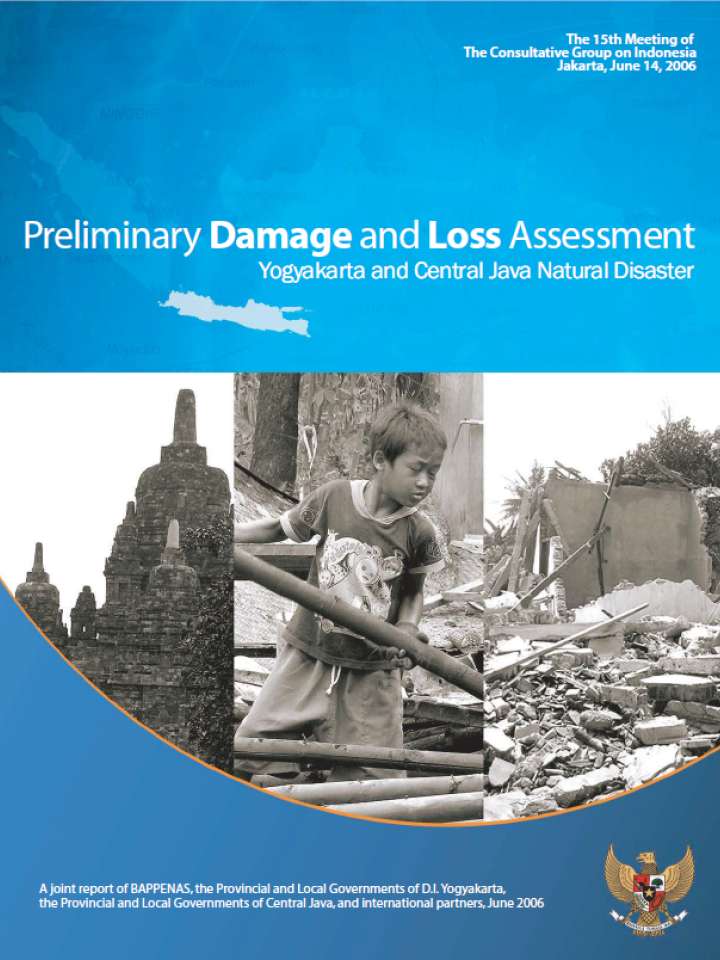
This report gives a preliminary estimate of the damage and needs resulting from the widespread destruction caused by the 2004 tsunami, evaluating the social, environmental, and economic impacts of the disaster and summarizing damage.
This report provides an assessment of damages and needs resulting from the tsunami that struck the eastern and southwestern coast of India as well as the Andaman and Nicobar Islands on December 26, 2004.
This assessment analyses the direct and indirect effects of Hurricane Emily on the economy. It projects the impacts on overall macro economic performance and identifies recommendations to guide continued rehabilitation and recovery.