This paper presents key findings from the survey conducted in areas targeted for relocation following Typhoon Haiyan in the Philippines. It aims to understand the needs and perceptions of groups affected. It argues that current plans ignore key elements of sustainable relocation processes, and lack technical guidance and support.
This document considers how the nature of urban space and of urban populations influences disasters in cities; it discusses the question of urban disasters in comparison with rural disasters and factors that can decrease the risk and potential impact of
Active Learning Network for Accountability and Performance (ALNAP)
This study examines the question of durable solutions to displacement in Port-auPrince, recognizing that the challenges faced in Haiti may be a source of insight for responses to other urban, post-disaster displacement crises.
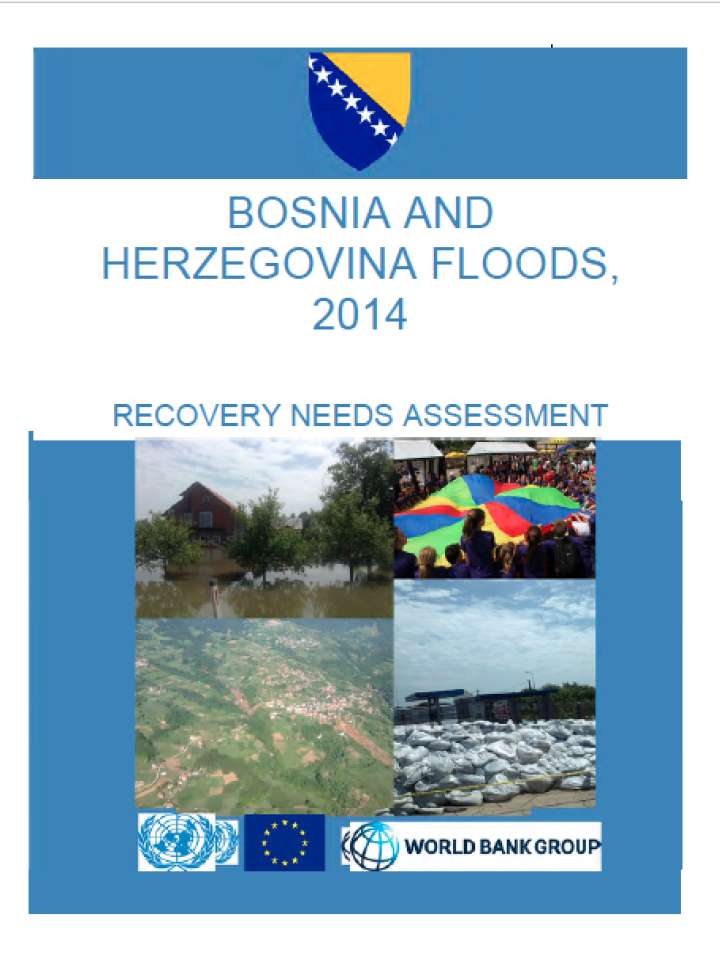
The assessment provides estimates of losses in the aftermath of flooding in Bosnia and Herzegovina, including the loss of production, income, livelihood and employment. It includes guiding principles for disaster risk reduction and sustainable recovery.
Bosnia and Herzegovina - government
Global Facility for Disaster Reduction and Recovery, the (GFDRR)
This paper presents a summary of lessons learned to date in building and retrofitting housing in Haiti following the January 12, 2010 earthquake, with the intent of influencing the implementation of future post-disaster housing reconstruction programs in
This report provides a reassessment of natural hazards in the United States and discusses the progress and challenges in reducing losses from natural disasters.
This report evaluates local and federal plans for strengthening community resiliency post-Sandy and offers guidance on post-disaster rebuilding and building in anticipation of future disasters in a way that helps preserve the environment, boost economic prosperity, and foster a high quality of life. It contains a comprehensive, practical set of 23 recommendations focused on four areas: (i) land use and development; (ii) infrastructure, technology and capacity; (iii) finance, investment and insurance; and (iv) leadership and governance.
This paper builds on the hypothesis that a successful post-2015 framework for disaster risk reduction (DRR) needs to better address underlying risk factors over a long timeframe and engage directly more pertinent actors such as local government leaders and the private sector. The paper explores the possible priority issues (the "substance") that should be highlighted in the post-2015 framework for DRR, setting the parameters for who (the "actors") and how (the "form") the substance should be included and the actors engaged.
United Nations Office for Disaster Risk Reduction (UNDRR)
This article summarizes the deliberations and presentations held at the Global South-South Development (GSSD) Expo 2013 and the AIDMI partnership forum focusing on South-South Cooperation at the local level in two areas: (i) scaling up the South-South
A comprehensive plan that contains actionable recommendations both for rebuilding the communities impacted by Sandy and increasing the resilience of infrastructure and buildings citywide.