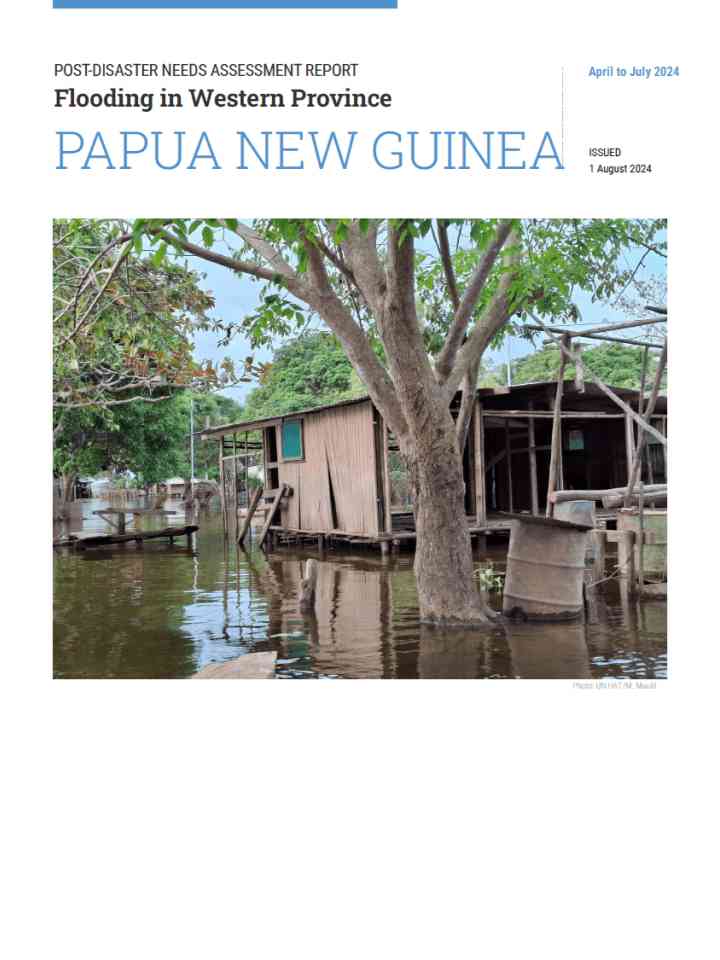
This post-disaster needs assessment examines the impacts of the 2024 floods in Western Province, Papua New Guinea. It identifies humanitarian needs and priority actions to support recovery and strengthen resilience.
This report analyzes labor shortages in Ukraine’s transport sector during wartime and outlines policy recommendations to support workforce recovery, reconstruction, and economic resilience.
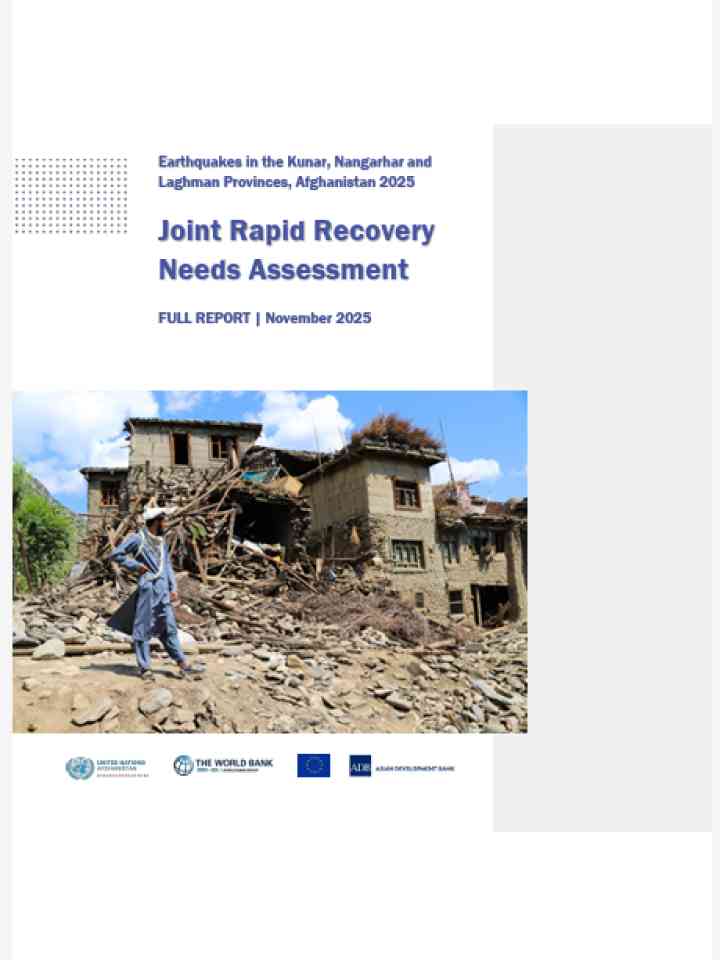
The report presents the Joint Rapid Recovery Needs Assessment (JRRNA) following the August 2025 earthquake in eastern Afghanistan, outlining damage, impacts, and priority recovery needs across key sectors.
This study aims to identify which decision-making factors significantly contribute to housing safety after reconstruction to inform the design of effective reconstruction assistance.
International Journal of Disaster Risk Reduction (Elsevier)
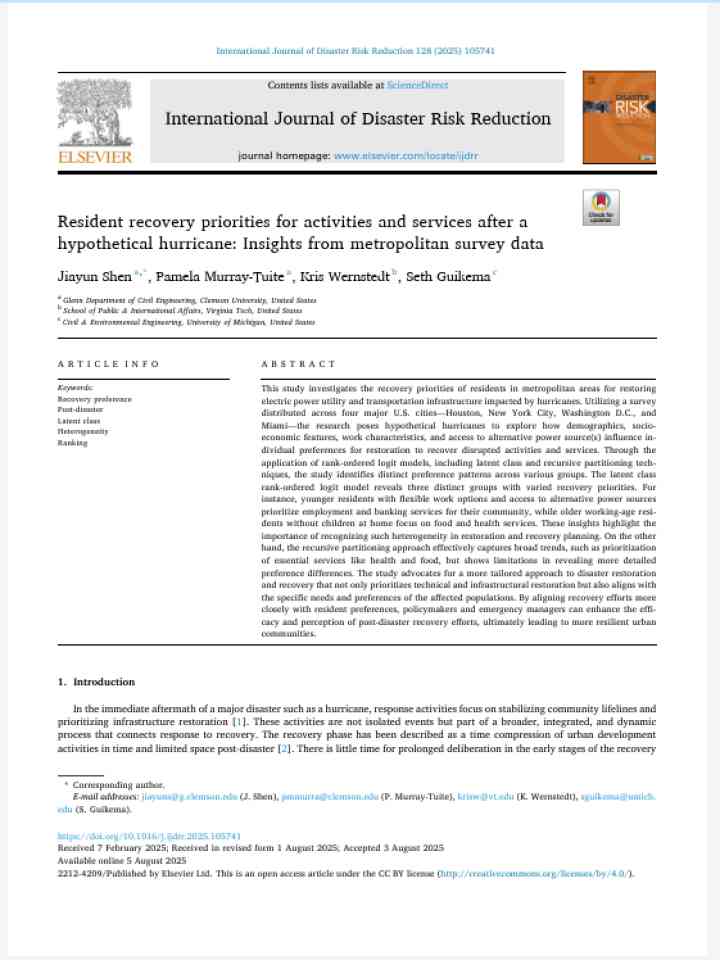
The study advocates for a more tailored approach to disaster restoration and recovery that not only prioritizes technical and infrastructural restoration but also aligns with the specific needs and preferences of the affected populations.
International Journal of Disaster Risk Reduction (Elsevier)
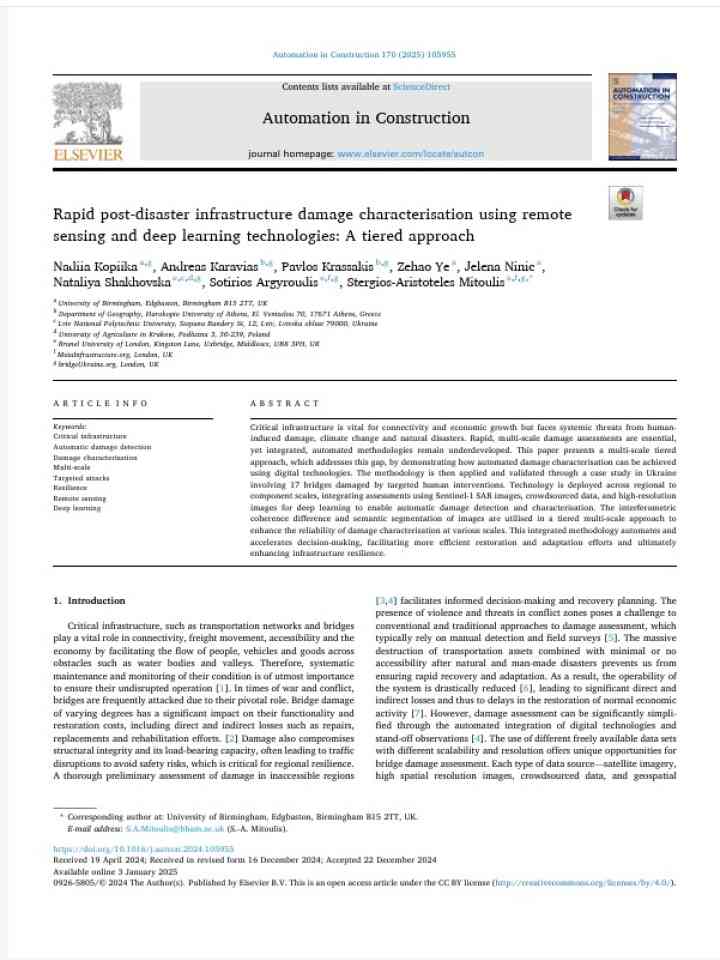
This paper presents a multi-scale tiered approach to post-disaster infrastructure characterisation, demonstrating how automated damage characterisation can be achieved using digital technologies.
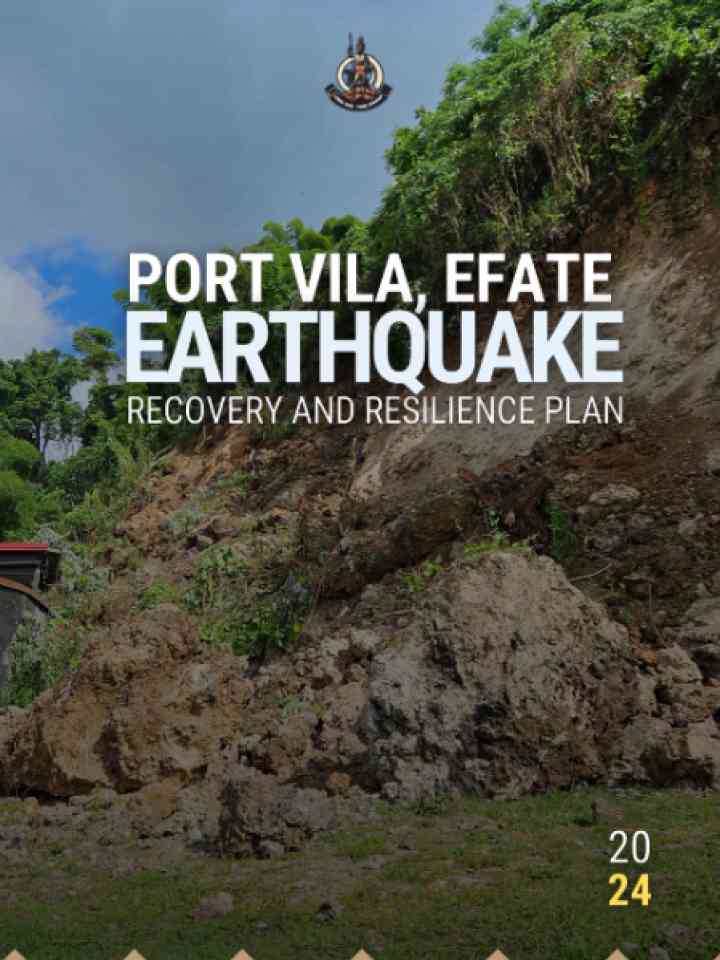
The Earthquake Recovery and Resilience Plan for Vanuatu aims to address the immediate needs of affected populations while building long-term resilience across all sectors of society and the economy.
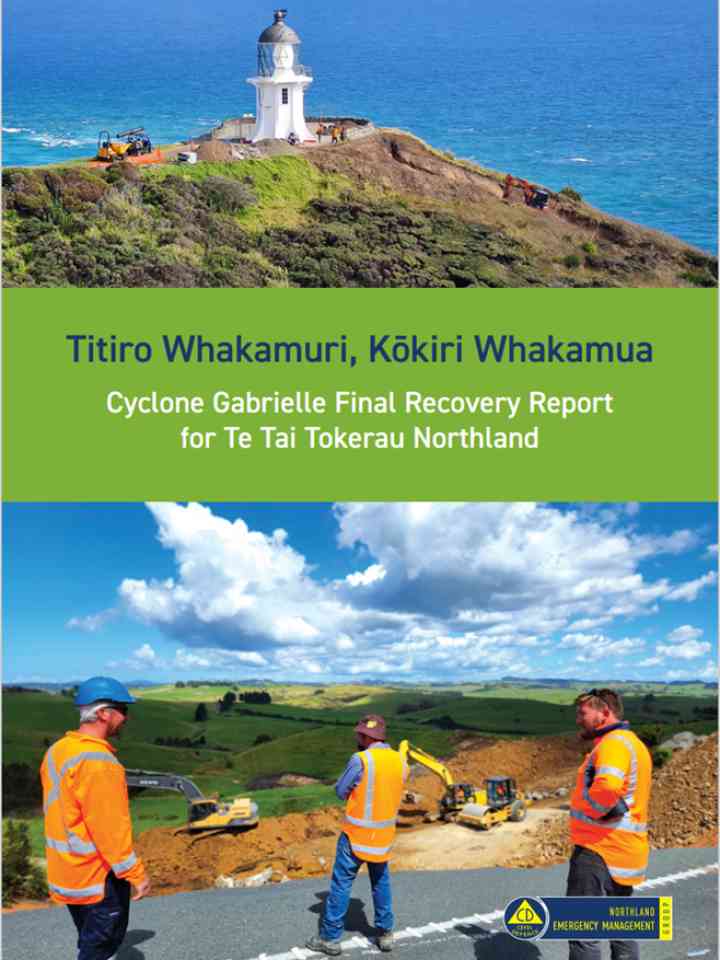
Northland's disaster recovery focused on setting clear priorities, coordinating government and community efforts, and supporting local groups. The region made solid progress, with an emphasis on reducing future risks and building resilience.