The Somalia Drought Impact and Needs Assessment aims to reduce the country’s vulnerability to climate shocks, strengthen resilience and significantly reduce the future risk of famine in Somalia.
World Bank, the
Global Facility for Disaster Reduction and Recovery, the (GFDRR)
This paper considers how an assets-based community development approach might inform community recovery programs so that recovery efforts support longer-term community resilience. Drawing on the evaluation of a modified assets-based community development
Australian Institute for Disaster Resilience (AIDR)
This research examines ways in which governments can enable communities to lead their recovery after emergency events. This is a preliminary report of a continuing study. To date, semi-structured interviews have been held with over 20 experienced
Australian Institute for Disaster Resilience (AIDR)
A report of the National Advisory Committee on Children and Disasters
Focusing exclusively on natural disasters, this report reviews the knowledge and practice gains that promote a more rapid and equitable recovery for children and youth through
United States Department of Health and Human Services
This issue of Southasiadisasters.net contains many insights from practitioners and academics from different areas who have focused their attention on rebuilding Jammu and Kashmir after the devastating floods of 2014. This issue is a compilation of such
This paper describes aspects of planning long-term recovery using risk ownership and how it supports resilience building and recovery outcomes for the longer-term.
Australian Institute for Disaster Resilience (AIDR)
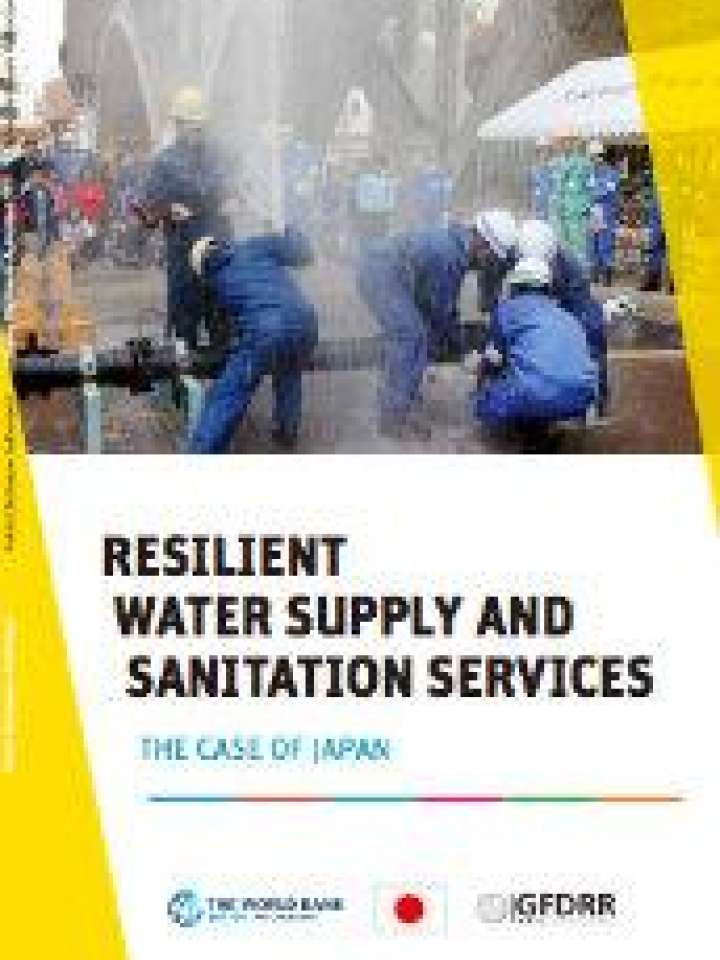
This report outlines the ways Japan has built the resilience of its water supply and sanitation (WSS) services through an adaptive approach based on lessons learned from past natural disasters.
Global Facility for Disaster Reduction and Recovery, the (GFDRR)
This briefing paper highlights how lessons from history and past recovery can inform decisions around 'building back better' after hurricanes Irma and Maria.
This briefing paper offers a lens through which the earthquake relief and recovery efforts can be viewed in the context of the protection, enjoyment, and promotion of the human rights of LGBT people.