This handbook provides an overview of innovations in disaster rapid assessment. It is aimed at disaster managers, post-disaster assessment analysts and field staff collecting data.
United Nations Economic and Social Commission for Asia and the Pacific (UN-ESCAP)
This working paper presents a dynamic small open economy model to explore the macroeconomic impact of natural disasters. In addition to permanent damages to public and private capital, the disaster causes temporary losses of productivity, inefficiencies
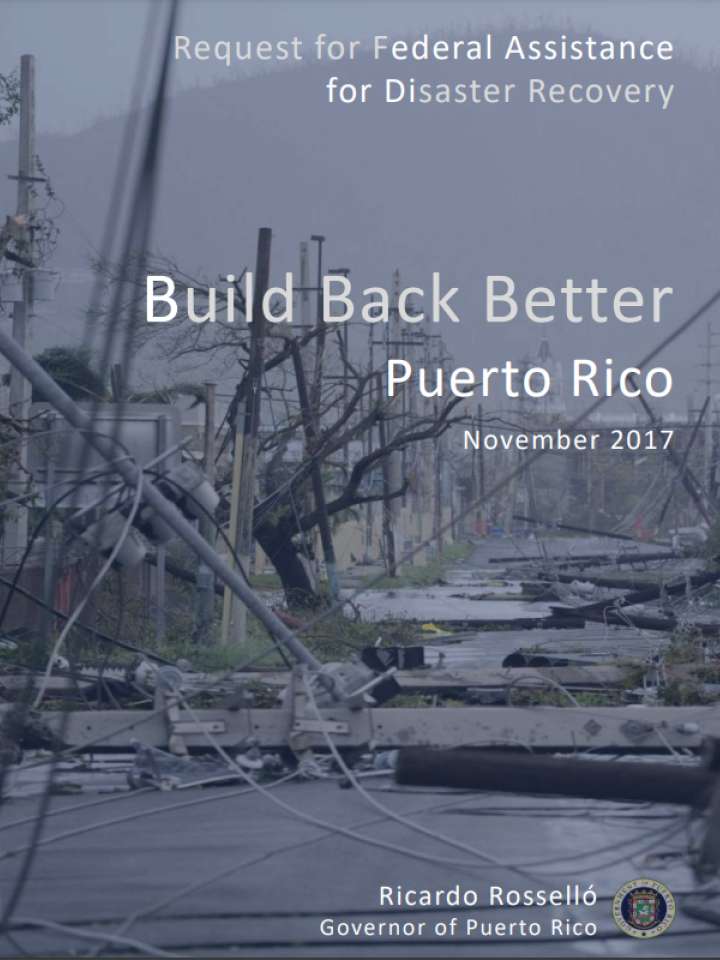
This document represents an aggregation of the best available disaster damages caused by the 2017 Hurricane Maria in Puerto Rico and is an initial assessment of the cost to rebuild a stronger, more resilient Puerto Rico
This brief provides an overview of challenges in disaster reconstruction and recommendations as they relate to recovery spending for the 2017 floods in Peru.
Practical Action
Institute for Social and Environmental Transition - International (ISET)
2 years after earthquakes hit Nepal in 2015, the IRM completed its 4th round of research to track how people are recovering, what aid has been provided and how effective it has been, and which groups are being left behind.
The Crisis Communication Scorecard presents critical factors in the communication of public authorities with stakeholders such as citizens, news media, and other response organisations before, during and after emergencies. It also pays attention to the
This report examines how the Queensland Disaster Management System prepared for, responded to and provided early relief and recovery to those impacted by Cyclone Debbie, which affected much of the state in Australia in early 2017. It aims to identify good
Office of the Inspector-General Emergency Management, the
This document outlines Rikuzentakata city's efforts through its recovery to create an inclusive community to ensure the safety, well-being, and equal opportunities for all residents, including those with disabilities and other minority groups.