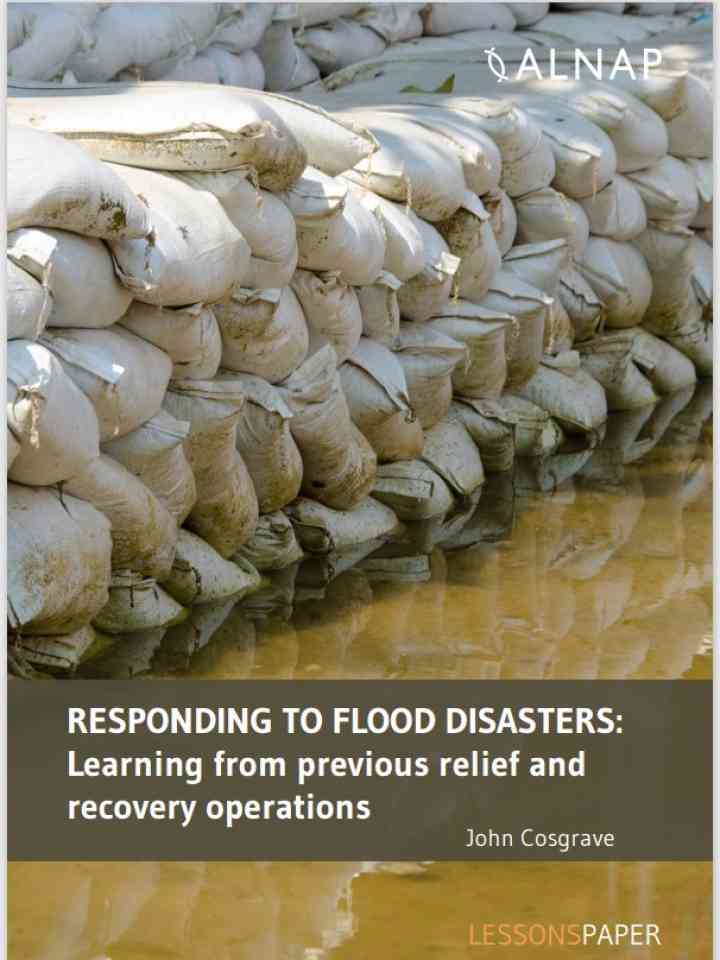
This paper presents lessons learned from previous flood responses in developing countries, based on a structured review of the literature for people working in relief and recovery operations who have to decide if, when and how to intervene after a flood.
Active Learning Network for Accountability and Performance (ALNAP)
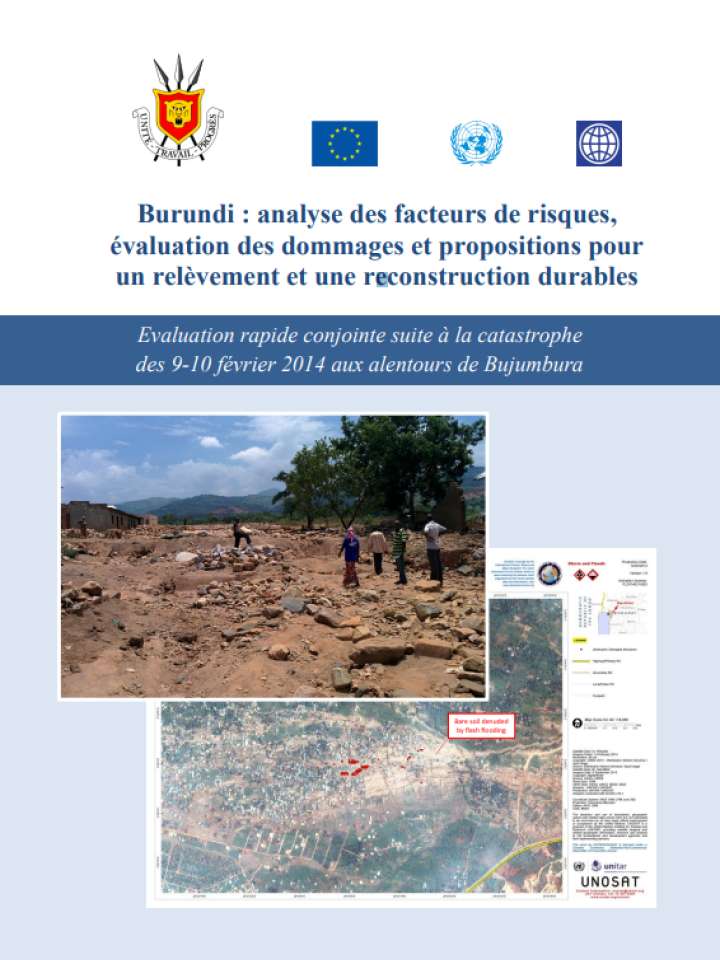
The objective of this assessment is to determine the risk factors, damage and activities to contribute to the rehabilitation, reconstruction and safeguards of infrastructure following the floods of February 9-10, 2014 in Burundi.
Burundi - government
European Union
African Development Bank
World Bank, the
United Nations Development Programme (UNDP)
United Nations Children's Fund (UNICEF)
World Food Programme (WFP)
Food and Agriculture Organization of the United Nations (FAO)
This document considers how the nature of urban space and of urban populations influences disasters in cities; it discusses the question of urban disasters in comparison with rural disasters and factors that can decrease the risk and potential impact of
Active Learning Network for Accountability and Performance (ALNAP)
This artcle summarizes the emergency relief operation and the rebuilding project held by Habitat for Humanity Japan (Habitat Japan) after the Great East Japan Earthquake.
This study organizes and analyzes different forms of assistance provided from overseas for the Great East Japan Earthquake over a one-year period between March 11, 2011 and March 31, 2012.
International Development Center of Japan (IDCJ) 国際開発センター
This study examines the question of durable solutions to displacement in Port-auPrince, recognizing that the challenges faced in Haiti may be a source of insight for responses to other urban, post-disaster displacement crises.
This handbook provides solid advice to practitioners and policymakers who are faced with complex, uncertain circumstances of the immediate and long-term impacts of disaster interventions that must be dealt with quickly and effectively. The toolkit