This book considers building financial resilience against 'natural' disasters and climate change through an article from Francis Ghesquiere and Olivier Mahul, from the Global Facility for Disaster Reduction and Recovery (GFDRR). The article discusses the
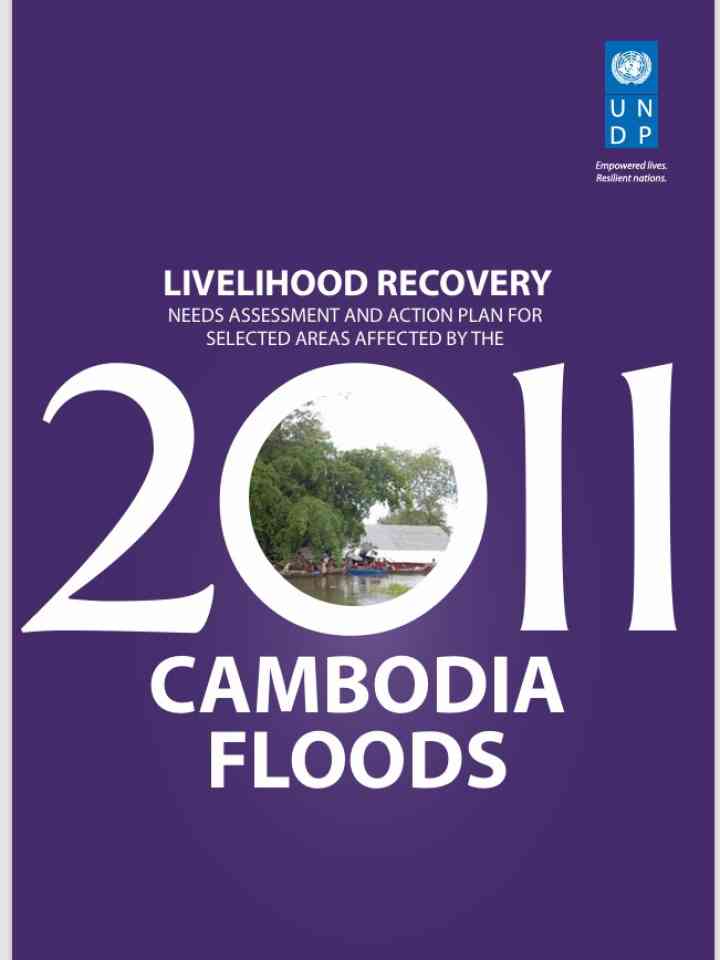
The purpose of the assessment was to conduct a review and analysis of the impact of the floods on the livelihoods of the affected population, identify opportunities and capacities for recovery.
Public facilities and infrastructure can be built in such a way as to reduce disaster risks and serve as disaster risk management facilities. This document is a knowledge note for structural measures of Multifunctional Structures.
World Bank, the
Global Facility for Disaster Reduction and Recovery, the (GFDRR)
This document is a knowledge note for structural measures against tsunamis by multilayered approaches to disaster mitigation that include structural and nonstructural measures and that ensure the safe evacuation of residents.
World Bank, the
Global Facility for Disaster Reduction and Recovery, the (GFDRR)
This research aims to understand the inter-organizational network typology of large scale disaster intervention in developing countries and to understand complexity of post disaster intervention through the use of network theory based on empirical data from post tsunami reconstruction in Aceh, Indonesia, during 2005-2007. It addresses the ‘poly-centric’ features of emergency and reconstruction management, which promotes the notion that there are many overlapping centers of authority and responsibility for disaster risk reduction and post disaster intervention.
Institute of Resource Governance and Social Change
This position paper highlights the importance of disaster risk reduction (DRR) for building resilience and was launched to mark the International Day for Disaster Reduction (IDDR) 2012. Building on a recent Communication from the European Commission
Voluntary Organisations in Cooperation in Emergencies
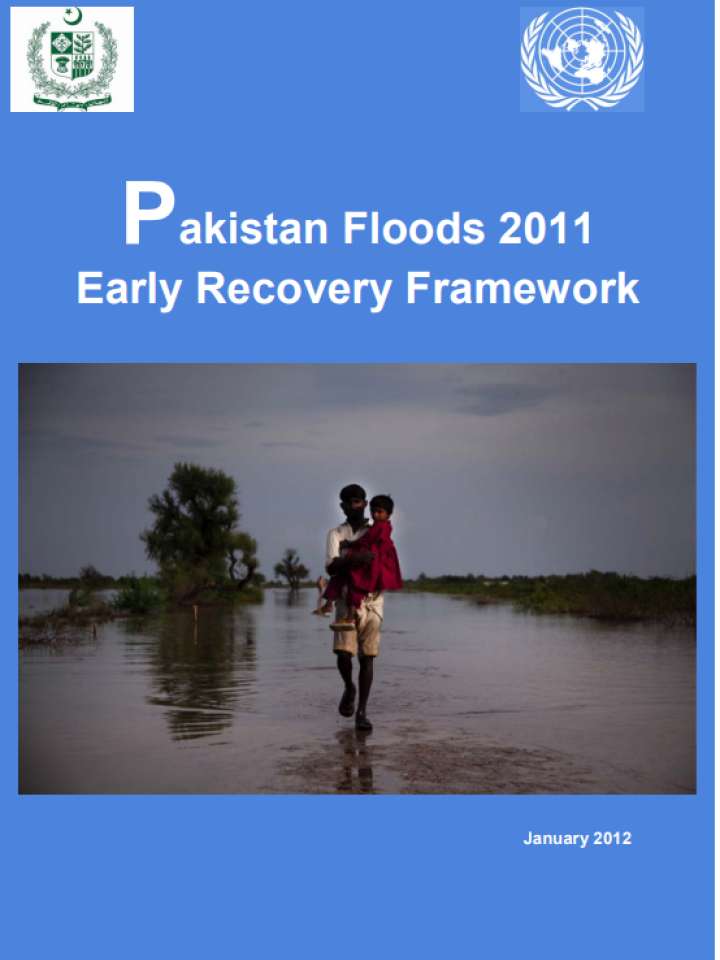
The Early Recovery Framework provides the foundation and structure for the early recovery response supporting the flood-affected people of Sindh and Balochistan following the floods of 2011.
This is an assessment of the scope of the challenges resulting from the Great East Japan Earthquake and suggestions for a long-term strategy for overcoming them and putting the Japanese economy on a stable growth path.
This issue presents articles covering different aspects of community-managed approach in disaster risk reduction context. Practitioners have shared learning from project implementation with disaster affected
This strategy paper sets out how the Government of the United Kingdom plans to transform the way in which DFID and the wider global community approach the humanitarian agenda by proposing new approaches and a framework for