This report shares a process of social innovation undertaken to improve the financial recovery of low- and moderate-income (LMI) households from increasing climate disasters.
This document explores the complex process of post-disaster reconstruction, drawing from various expert analyses and real-world case studies to offer actionable insights for policy makers, practitioners, and academics.
Natural disasters cause numerous short- and long-term psychosocial effects on young children because of their increased vulnerability. This study aimed to examine the mental health of young children at 15 months after the Kumamoto earthquake.
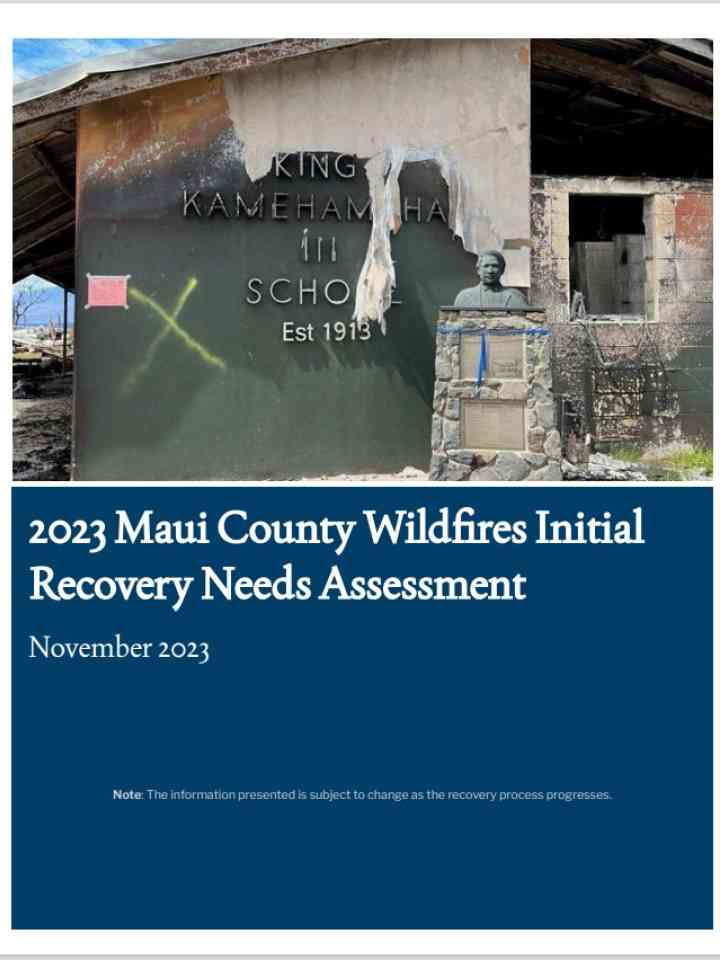
Following the devastating wildfires that destroyed over 2,000 structures on Maui in August 2023, a comprehensive Recovery Needs Assessment has been conducted through the collaborative efforts of county, state, and federal partners.
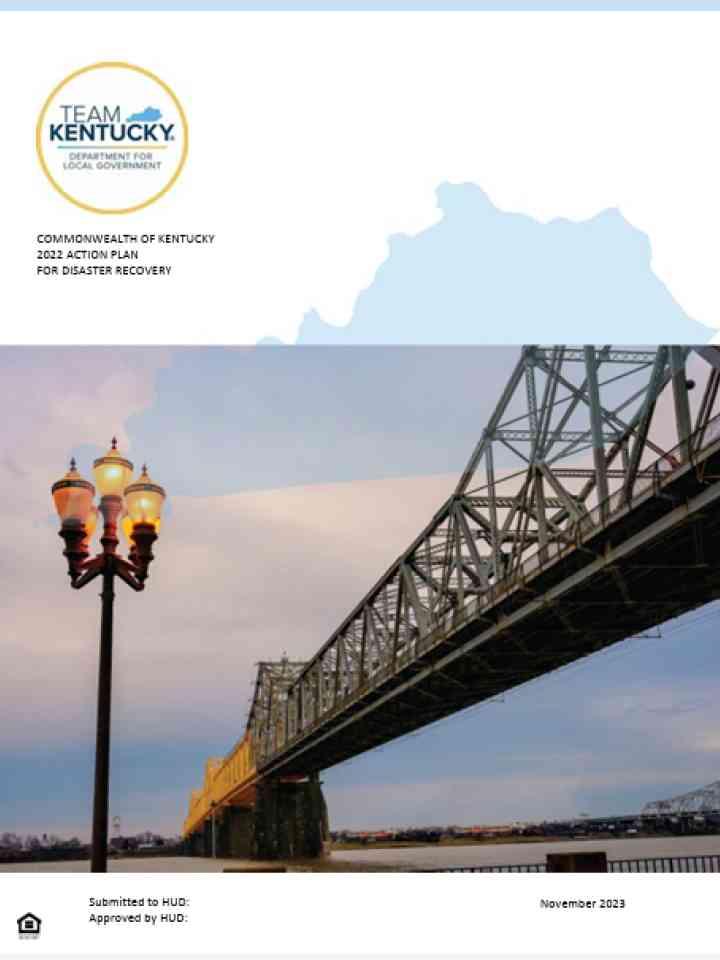
This outlines the allocation of nearly $298 million in federal CDBG-DR funds to address unmet needs and support long-term recovery and mitigation efforts across 20 counties severely impacted by storms, flooding, landslides, and mudslides in 2022.
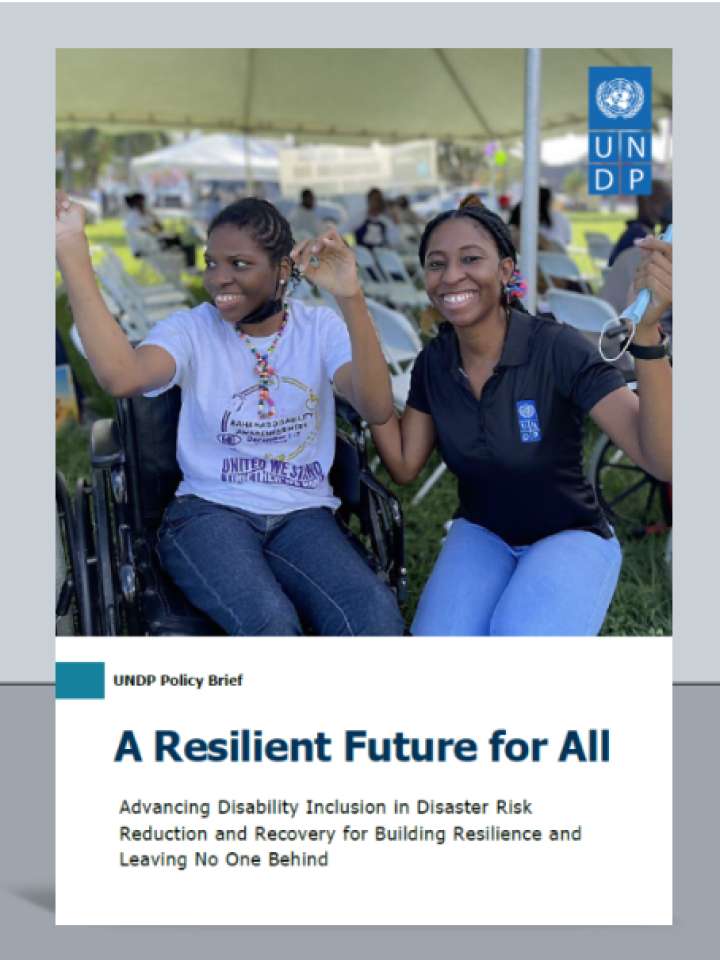
The brief aims to guide UNDP staff and its partners by providing good practices for disability inclusion in disaster risk reduction and recovery, while promoting inclusive approaches that recognize and address the rights of persons with disabilities.
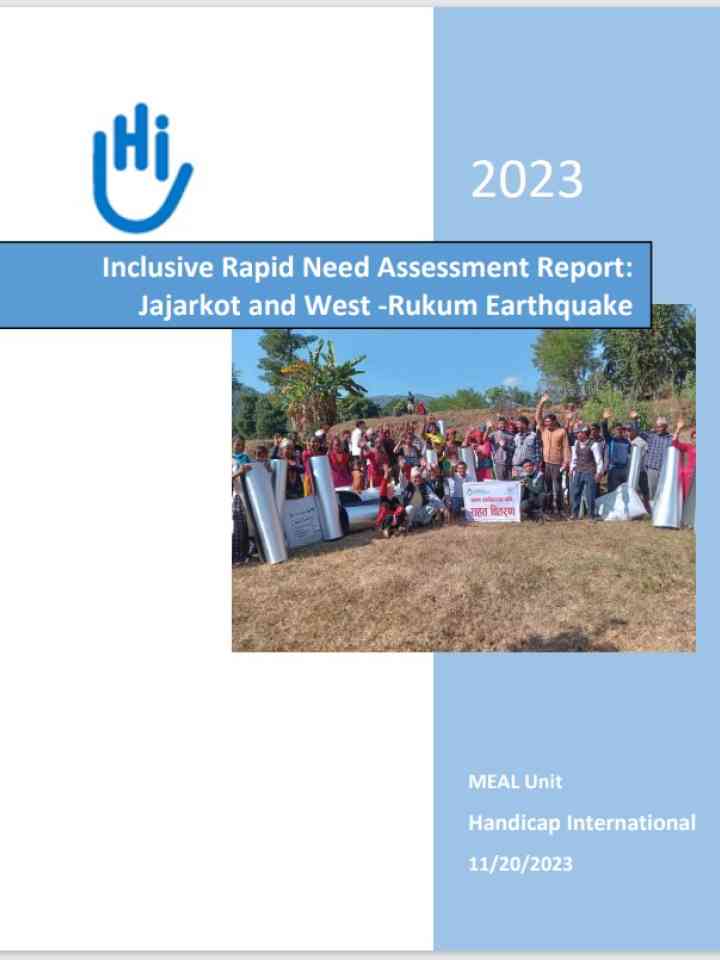
This is an inclusive Rapid Need Assessment (IRNA) to evaluate the status and requirements for 6.4 magnitude earthquake occurred in Jajarkot District in western Nepal .
The Tourism Sector Disaster Recovery Framework (DRF) Guide assists governments, the private sector, intergovernmental organizations and implementing partners to develop a sectoral DRF, comprising effective and efficient recovery programs for the sector.
The Disaster Recovery Framework (DRF) Guide for the Health Sector provides guidance on how to implement a comprehensive, integrated, and structured approach to disaster recovery