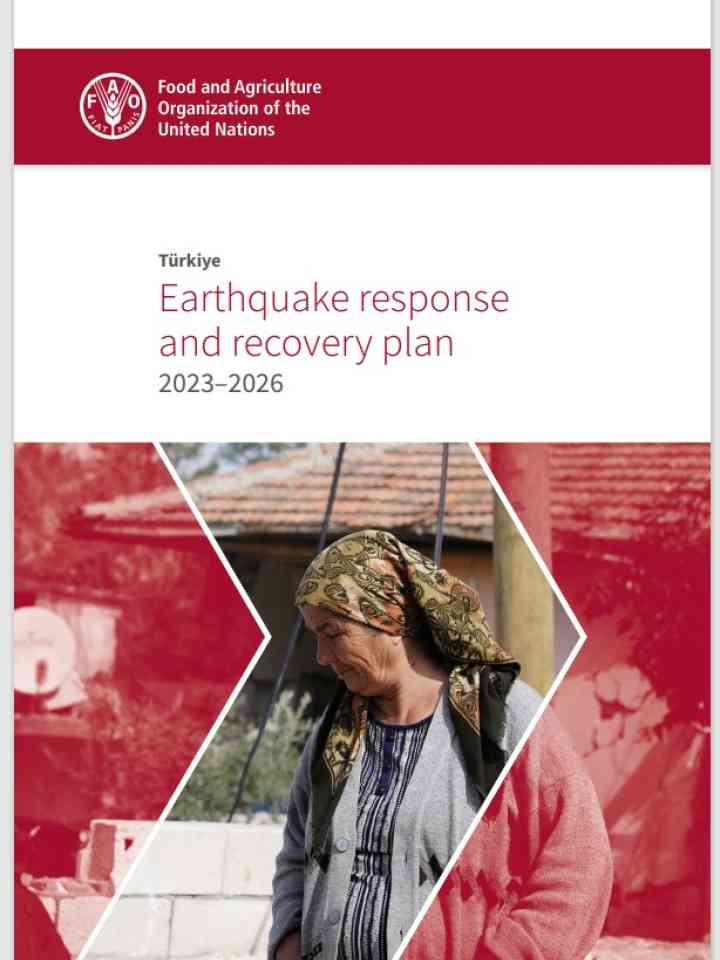
This document has been developed in partnership with the Government of Türkiye to address the devastating impact of the February 2023 earthquakes on the agriculture and rural sectors.
Food and Agriculture Organization of the United Nations (FAO)
The research reported in this paper outlines how contrasting and, in some cases, openly contested narratives can emerge in society around the nature and causes of the event, the impacts and needs of the affected population.
International Journal of Disaster Risk Reduction (Elsevier)
In this working paper, researchers propose creating a global fund to pool climate and other debt relief funds from the World Bank and International Monetary Fund (IMF) to cover insurance premiums for low-income countries.
International Institute for Environment and Development (IIED)
In making decisions about reconstruction, the Ukrainian will face trade-offs regarding timelines, prioritization of efforts, leadership, and funding. This report aims to advance the understanding of these trade-offs and their ramifications.
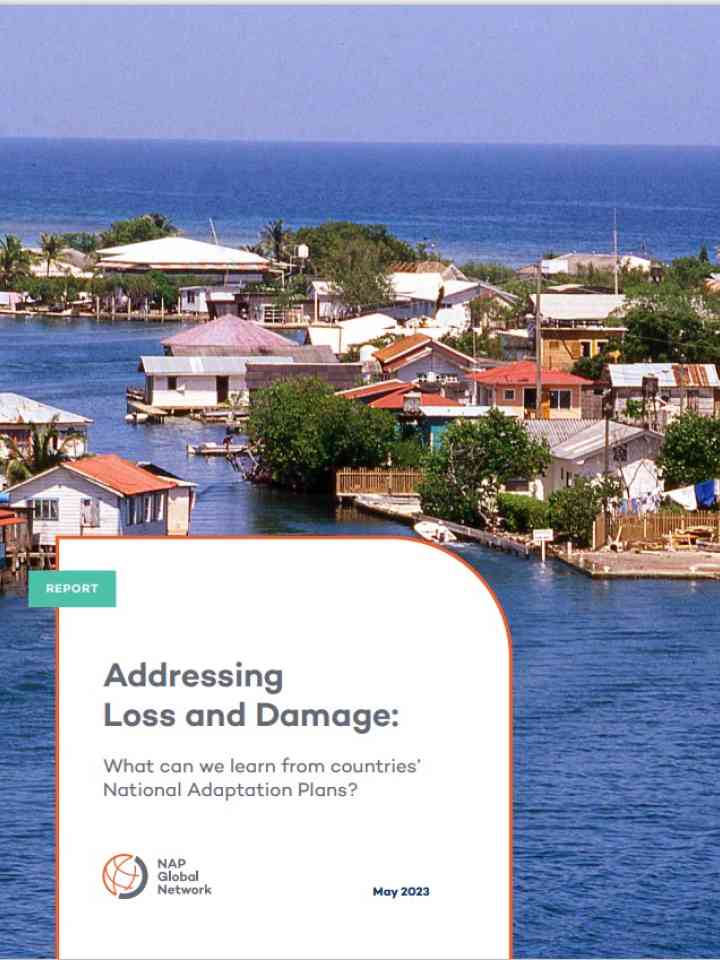
Through a systematic review of NAP documents and interviews with key informants, this report showcases the role of NAP processes in minimizing and addressing loss and damage.
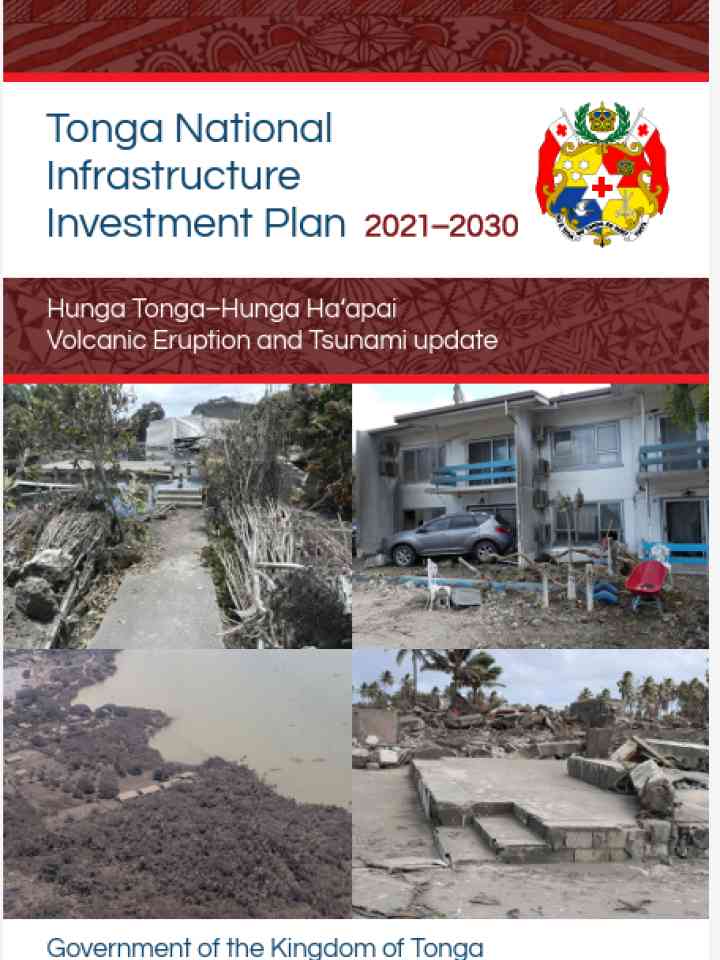
This report updates Tonga’s National Infrastructure Investment Plan to incorporate recovery and resilience priorities following the Hunga Tonga–Hunga Haʻapai volcanic eruption and tsunami, guiding infrastructure investment decisions.
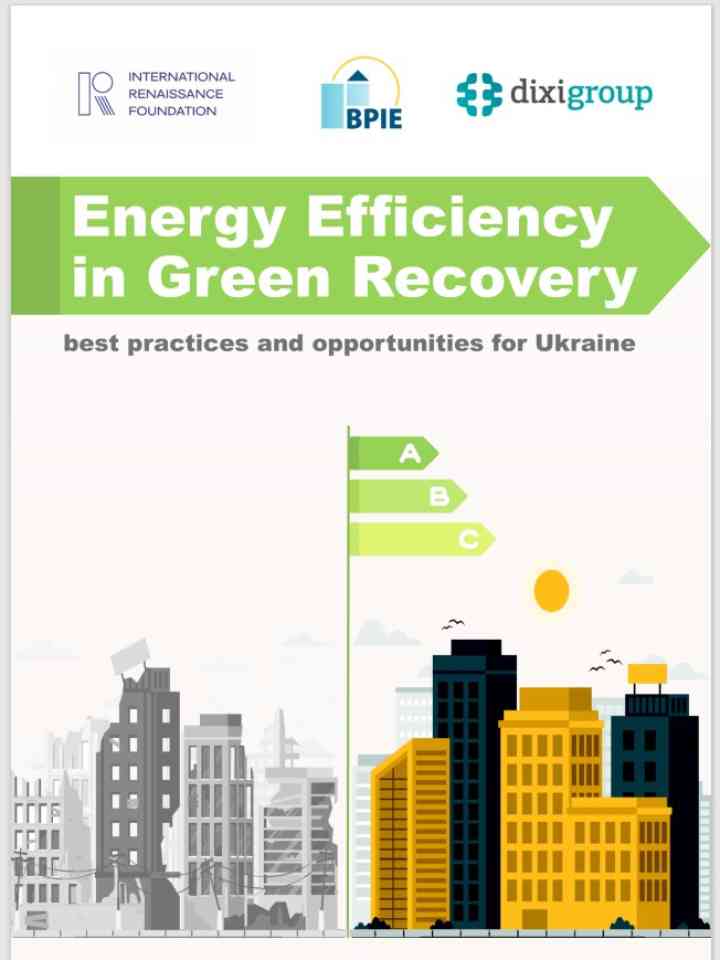
The DiXi Group together with BPIE, have brought together their EU expertise and best practices on energy efficiency in buildings, to develop an approach for Ukraine's reconstruction and recovery.
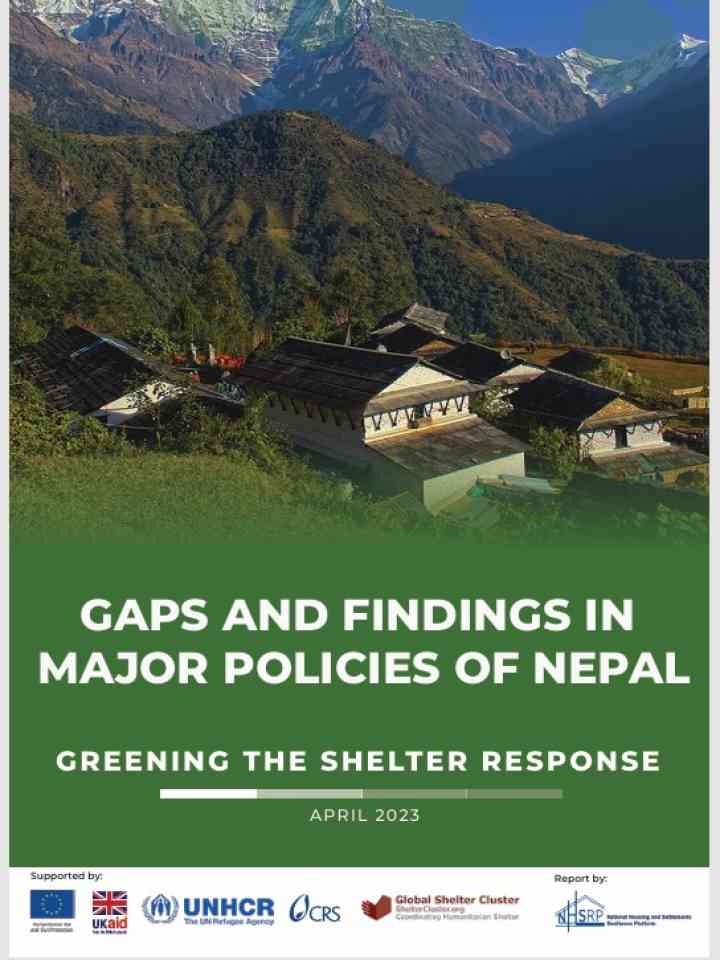
This report examines Nepal's existing policies regarding environmentally sustainable shelter practices, identifies gaps in these frameworks, and recommends comprehensive policy development to enhance green recovery following disasters.
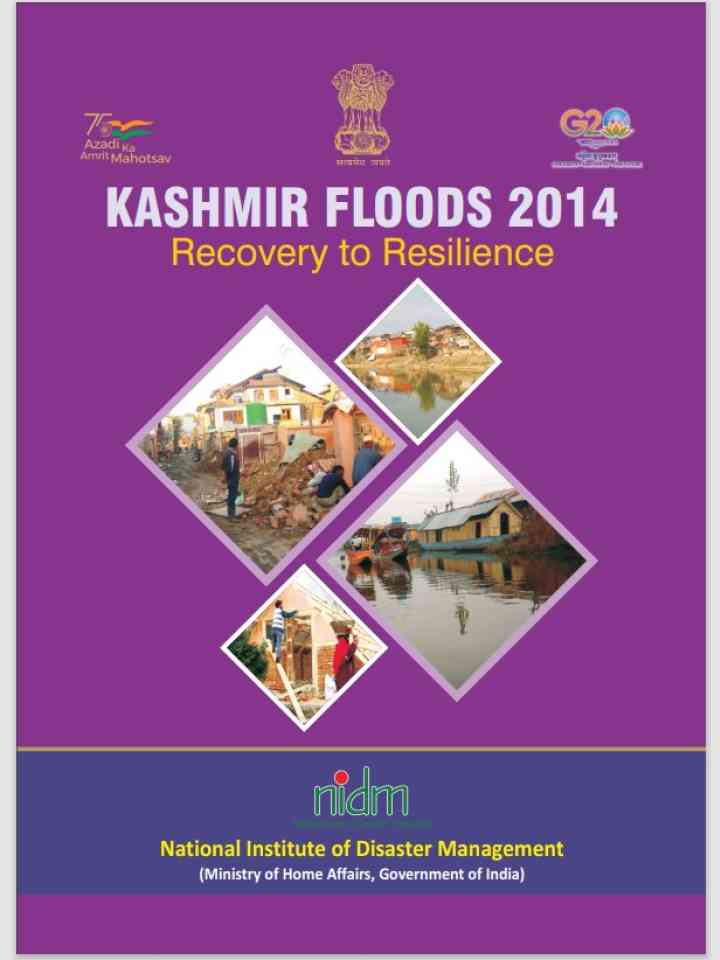
The flood of 2014 in the Kashmir Valley was the worst flood in the last hundred years. This document has also suggested long-term measures that should be taken for building resilience.
This paper is an attempt to draw focus on the issue of managing solid waste in post-disaster situations in the context of India and to prepare conclusions, recommendations and way forward for managing wastes during and after the disasters.