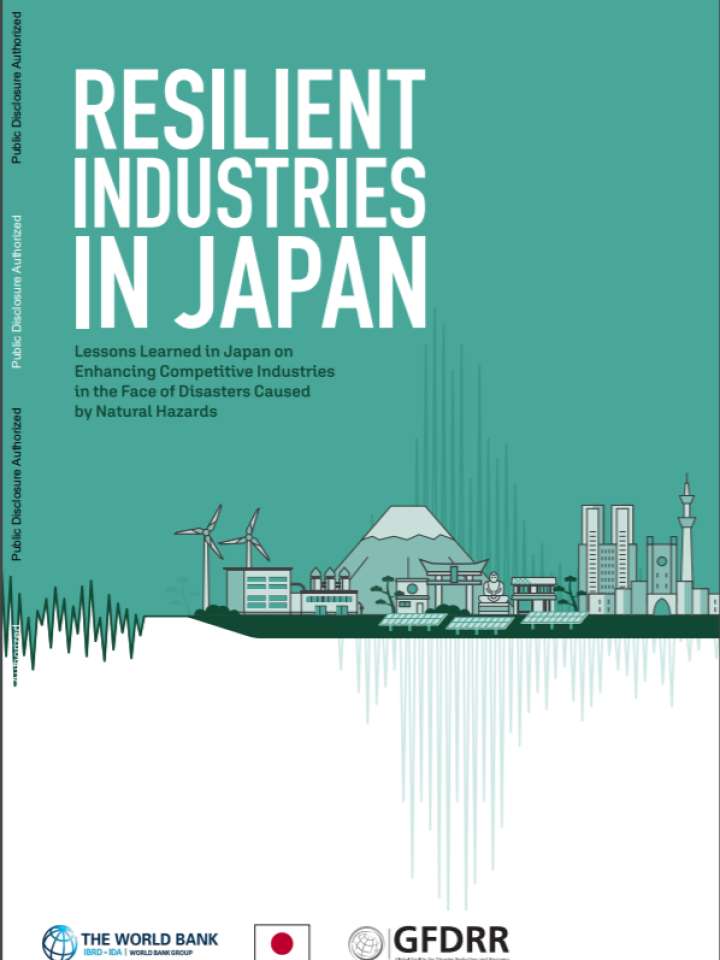
The objective of this case study on Japan is to share lessons drawing upon Japan’s experience of industrial development in the face of diverse disaster risks. The report will focus on the manufacturing sector, given its importance to Japan’s economic development, and interconnection with extensive global value chains.
This is the IOM return intention assessment in the aftermath of Cyclone Idai. The DTM assessments are critical to the population, as they provide an outlook of the needs of host communities and the IDPs in relation to planning multi-sectoral support.
United Nations Office for Project Services (UNOPS)
International Organization for Migration (IOM)
World Bank, the
Global Facility for Disaster Reduction and Recovery, the (GFDRR)
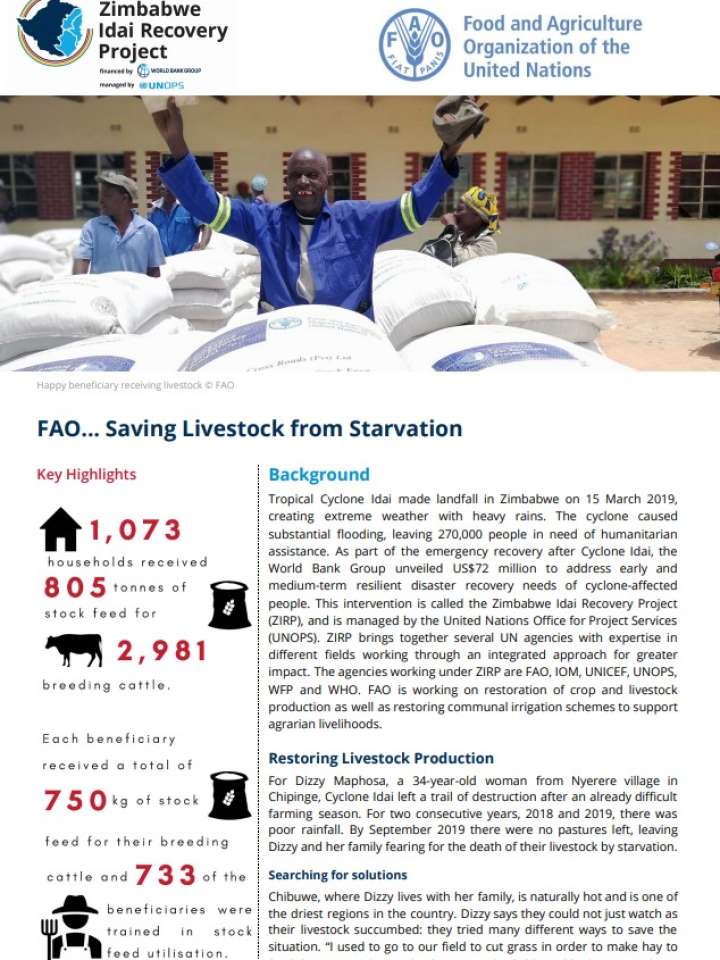
This is a project report in response to the aftermath of the catastrophic tropical cyclone "Idai" in Zimbabwe working on restoration of crop and livestock production as well as restoring communal irrigation schemes to support agrarian livelihoods.
Food and Agriculture Organization of the United Nations (FAO)
United Nations Office for Project Services (UNOPS)
World Bank, the
Global Facility for Disaster Reduction and Recovery, the (GFDRR)
This report's central task is to inquire into, and report on, national natural disaster arrangements – that is, arrangements involving all levels of government, the private and not-for-profit sectors, communities, families, and individuals
The Royal Commission into National Natural Disaster Arrangements (Australia)
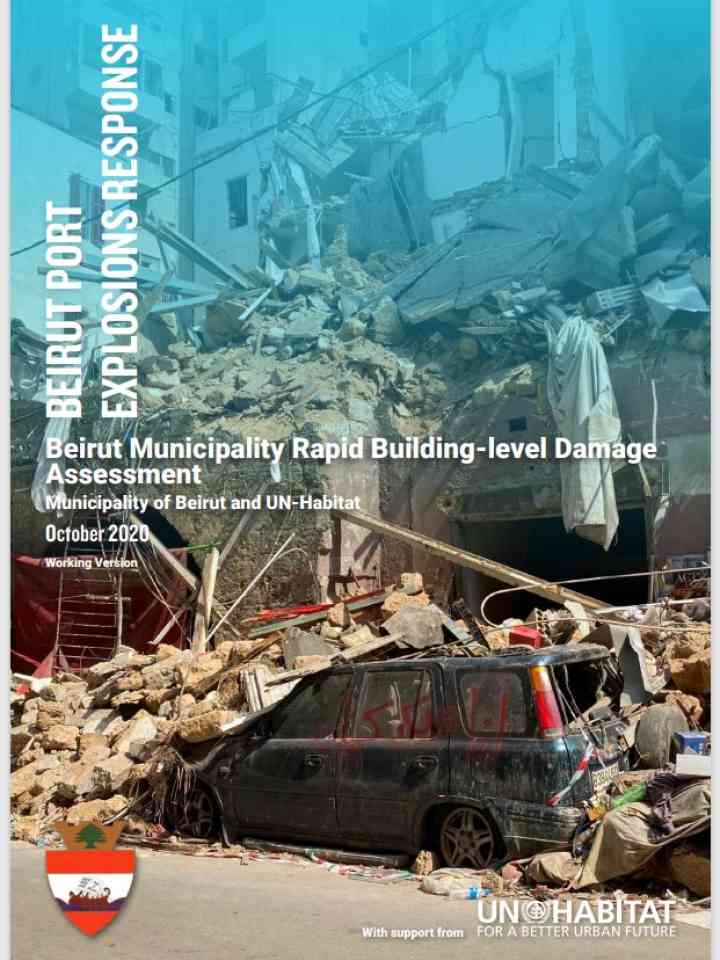
This is the Beirut Municipality rapid building-level damage assessment of the Beirut Port Explosions that caused extensive damage on multiple levels, including loss of life, injury and the destruction.
United Nations Human Settlements Programme (UN-HABITAT)
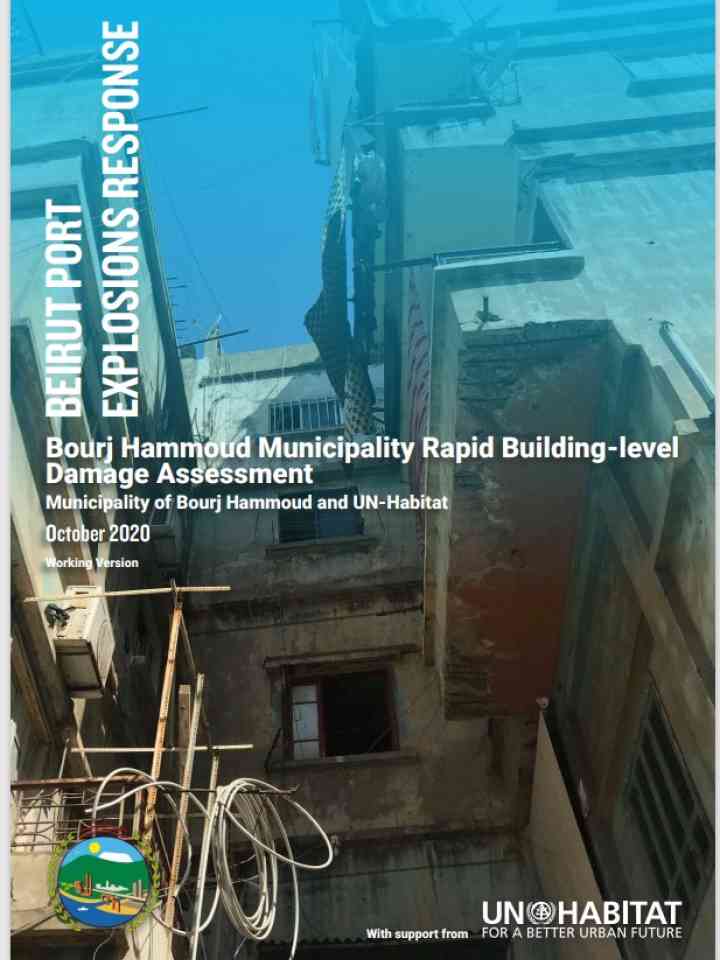
This is the Bourj Hammoud Municipality rapid building-level damage assessment of the Beirut Port Explosions, which caused extensive damage on multiple levels, including loss of life, injury and the destruction.
United Nations Human Settlements Programme (UN-HABITAT)
This report is a rapid assessment of the needs created by COVID-19, and presents a framework to lift the bottom quintile of South Africa’s population from falling deeper into poverty, squalor, and exclusion.
The Socio-economic Assessment for Covid-19 in Azerbaijan measures the effects and impacts of the crisis across key sectors and to provide the evidence base needed to formulate effective recovery policies and strategies.
This paper provides essential information on construction methods and details that will help ensure resilience against future hurricanes and storm surges.