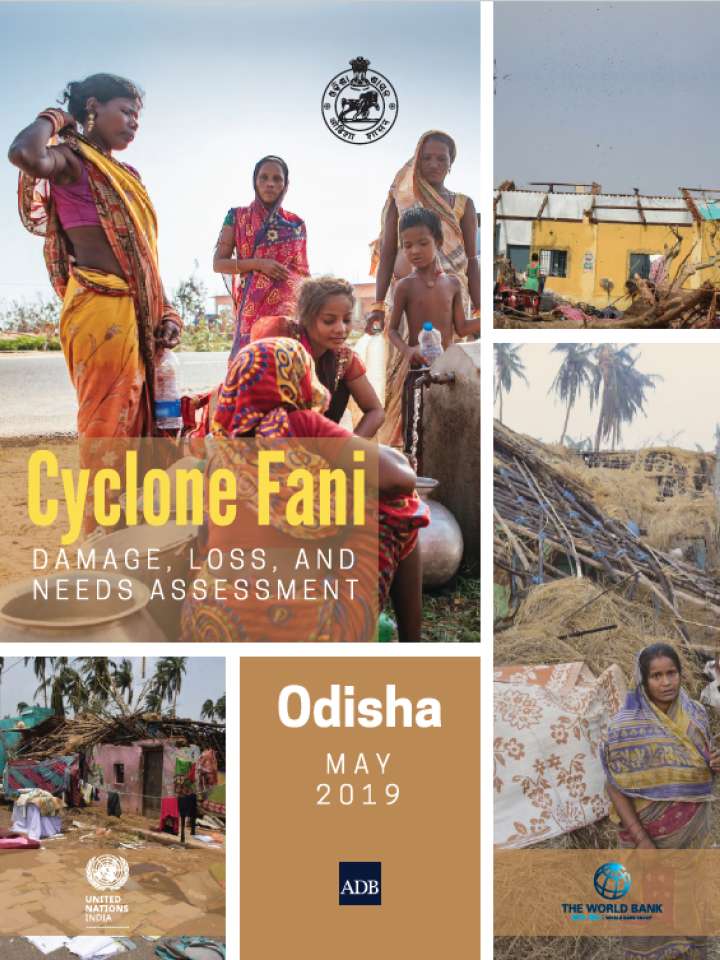
This Damage, Loss, and Needs Assessment (DLNA) of Cyclone Fani in Odisha was conducted between 24 May and 4 June 2019. Covering the 14 affected districts in the state, it presents estimates of the damage, loss, and recovery needs across 15 sectors.
World Bank, the
United Nations Development Programme (UNDP)
Asian Development Bank (ADB)
Global Facility for Disaster Reduction and Recovery, the (GFDRR)
This report, conducted by the University of Lancaster in collaboration with other institutions, details the findings from a participatory research project that set out to identify key issues in children and young people’s experience in relation to
The Fire Recovery Guide offers science-based perspectives for those working toward recovery of land while reducing risk going forward, helping to assess when and how to take action to support the ecosystems put in danger by wild fires.
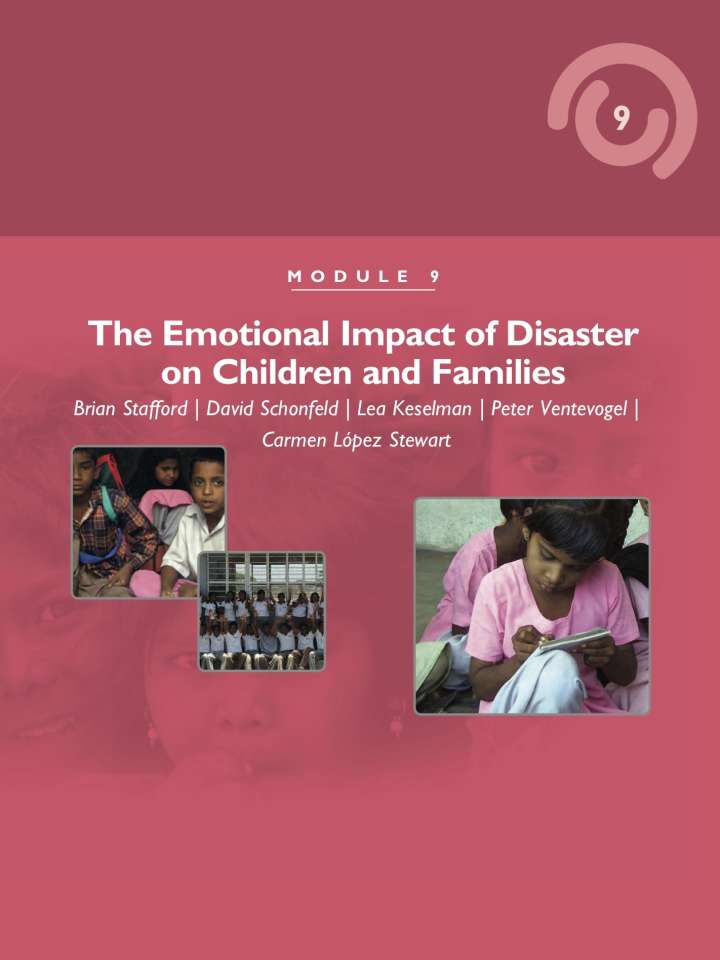
Disasters place affected populations in great danger. Only in recent years have we recognized the importance of emotional impact and its short, median, and longterm consequences. Children and adolescents are an especially vulnerable group, since the
This issue brief discusses how to ensure equal access to disaster response and recovery efforts, offering specific policy recommendations that would help ensure that the most vulnerable communities and populations receive the support they need.
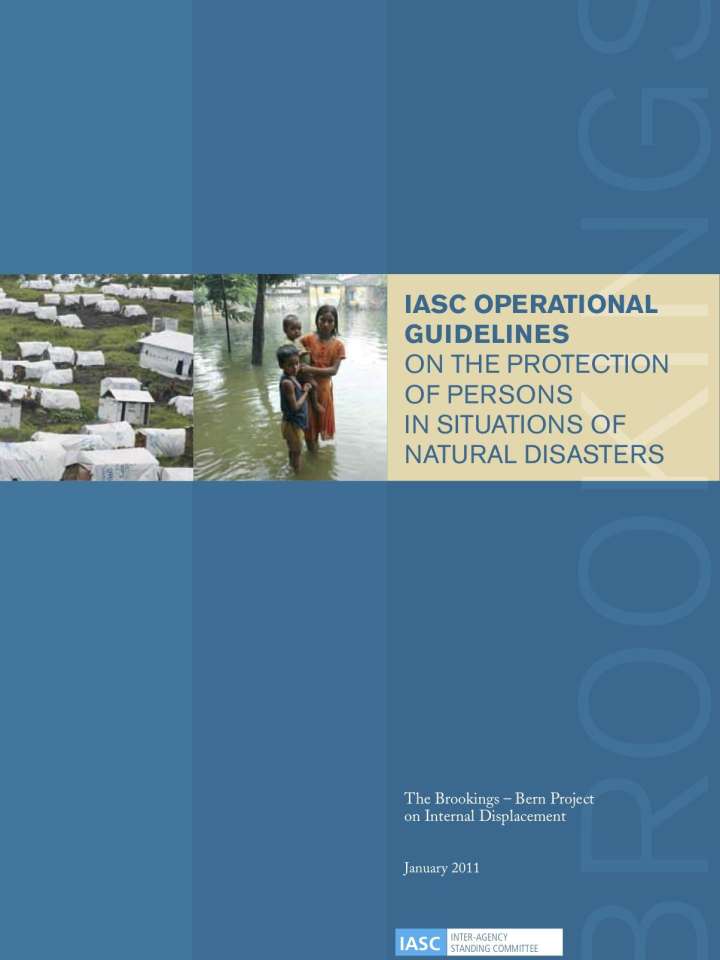
To promote and facilitate a rights-based approach to disaster relief, the Inter-Agency Standing Committee (IASC) adopted Operational Guidelines on Human Rights and Natural Disasters in 2006. The Guidelines are a major contribution to the promotion of a
The purpose of Including Children with Disabilities in Humanitarian Action is to strengthen the inclusion of children and women with disabilities, and their families, in emergency preparedness, response and early recovery, and recovery and reconstruction
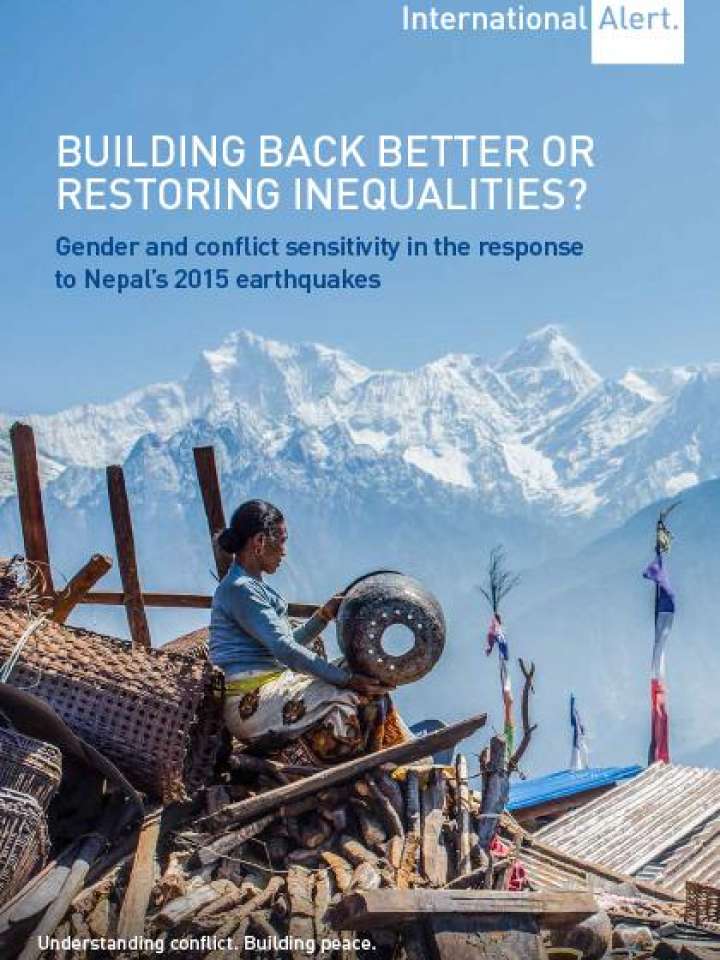
This report is based on research into the gender dimensions of humanitarian interventions in post-conflict settings from a peacebuilding perspective, using the 2015 earthquakes in Nepal as a case study from which lessons can be drawn for other contexts. It identifies the risks posed by gender-blind humanitarian programming, the need to understand the multiple intersecting dimensions of vulnerability, as well as the key challenges in operationalising national and local gender and conflict-sensitive programming.
Addressing the Gender Inequality of Risk and promoting Community Resilience to Natural Hazards in a Changing Climate is one of UN Women’s Flagship Programming Initiatives designed to ensure the effective integration of gender in the implementation of the
United Nations Entity for Gender Equality and the Empowerment of Women (UN WOMEN)