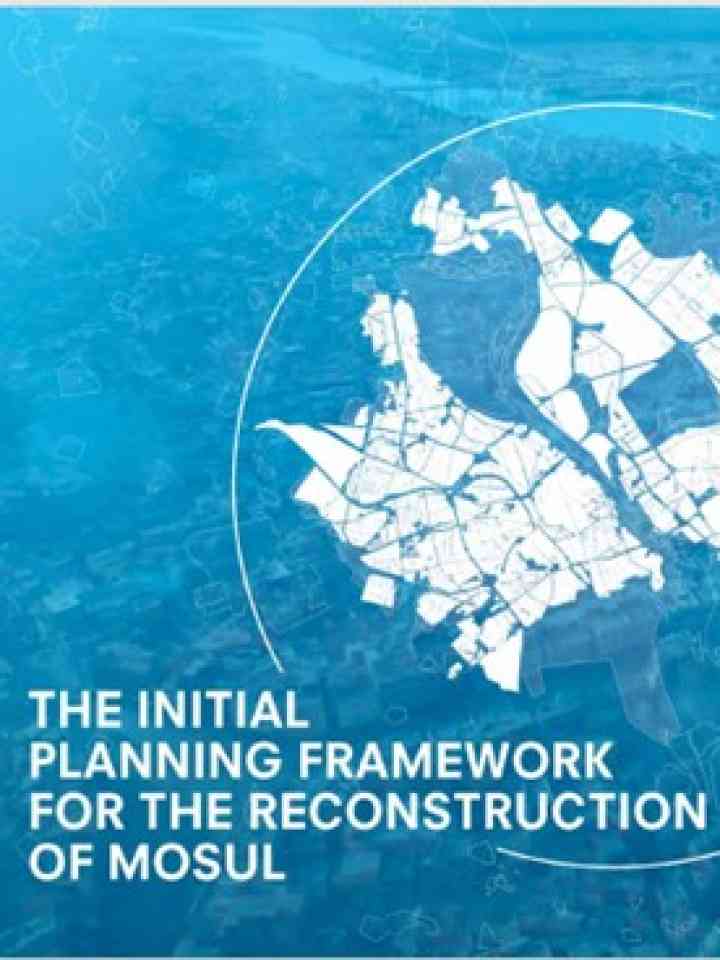
This report provides an analysis of the current reconstruction and recovery activities in Mosul and highlights emerging needs for the urban recovery and medium-term development of the city.
Republic of Iraq - government
United Nations Human Settlements Programme (UN-HABITAT)
United Nations Educational, Scientific and Cultural Organization (UNESCO)
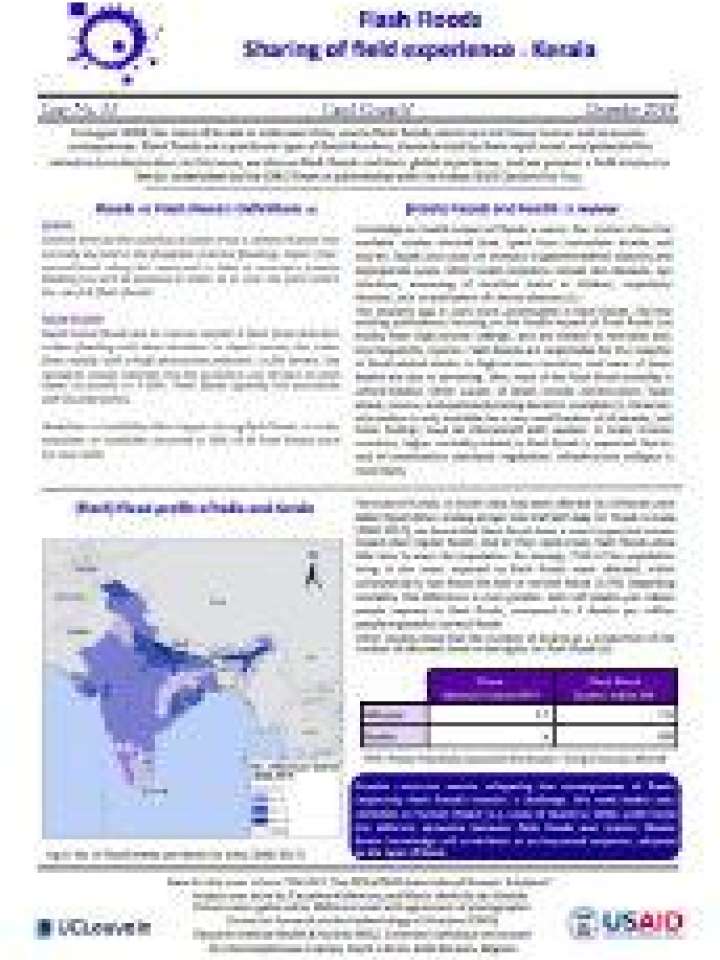
In August 2018, Kerala experienced severe flash floods with significant human and economic impacts. This publication highlights the global importance of flash floods and details a field mission to Kerala.
Centre for Research on the Epidemiology of Disasters (CRED)
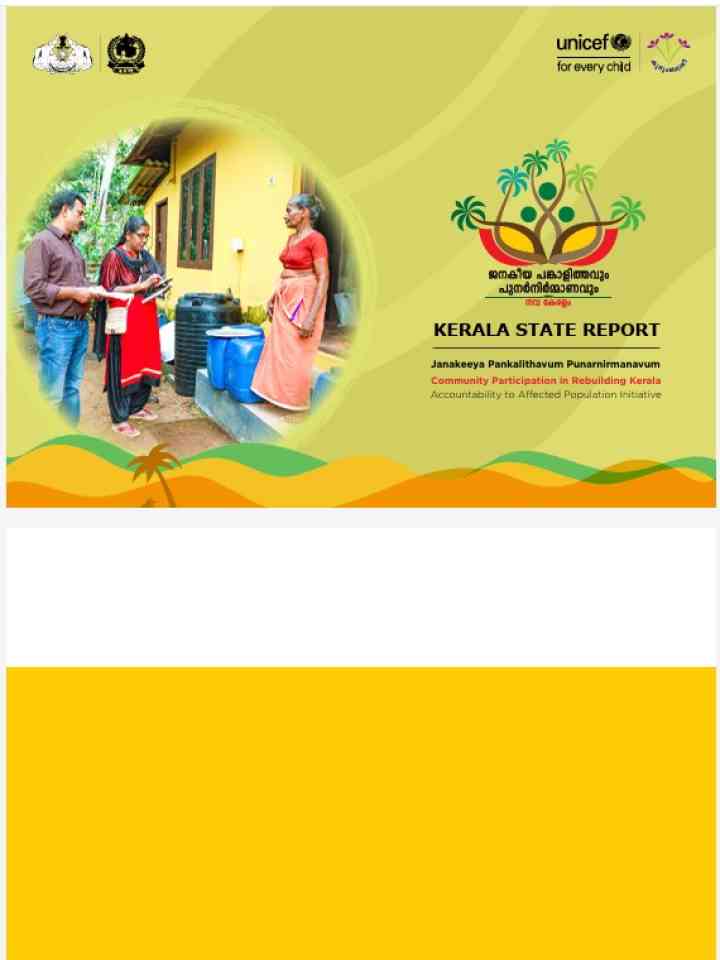
Thie report details how, after the 2018 floods, the government institutionalized a participatory feedback system to ensure affected communities were actively involved in and informed about disaster recovery and planning processe.
Through this report and sector deep dive analysis, we seek the voices of the affected people and marginalized groups systematically feed into on-going recovery and rebuilding of resilient Kerala.
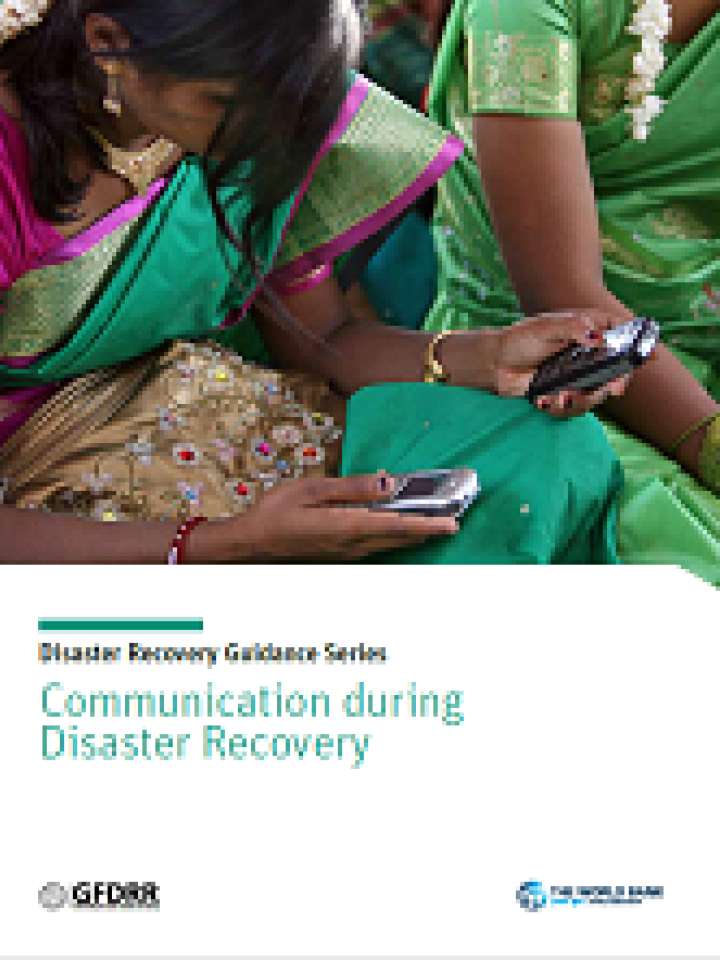
This Guide is intended primarily for local and national government officials and key decision makers involved in disaster recovery planning and operations.
Global Facility for Disaster Reduction and Recovery, the (GFDRR)
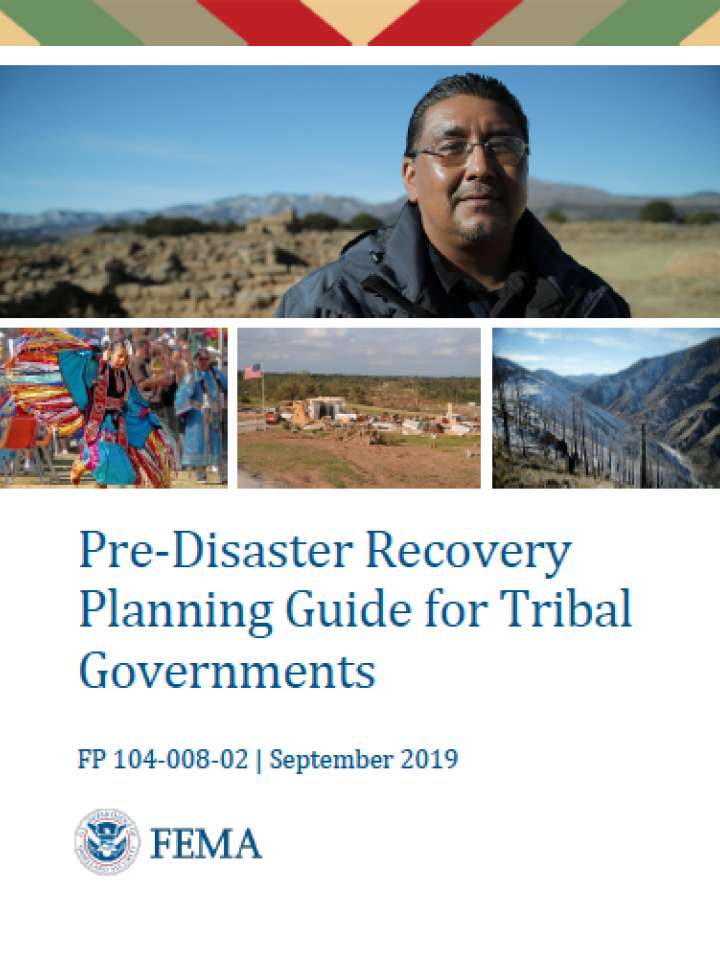
The Pre-Disaster Recovery Planning Guide for Tribal Governments provides a basic framework and guidance for tribal leadership and stakeholders as they plan for recovery.
The Recovery and Resiliency Framework represents the County’s long-term vision in a resilient future. The Framework also represents a call to action and partnership.
This participatory study was conducted to listen to children, adolescents, and caregivers who were affected by the Central Sulawesi Earthquake and Tsunami.
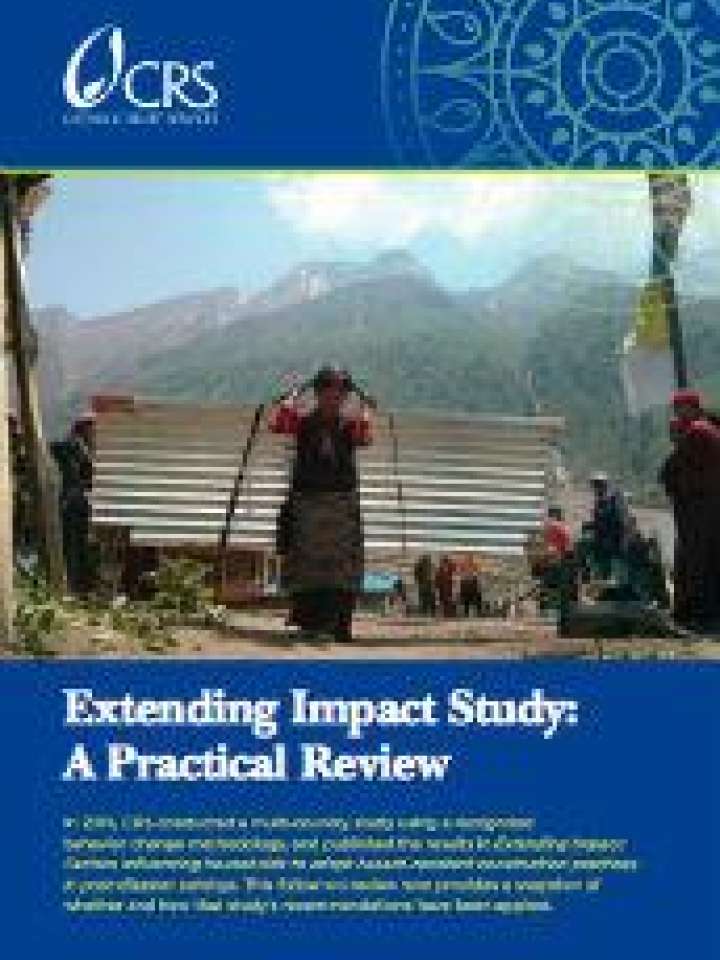
Catholic Relief Services’ 2015 study, Extending Impact: Factors influencing households to adopt hazard‑resistant construction practices in post‑disaster settings (EI), explored the factors that contribute to people’s independent decisions to use hazard
This research aimed to improve understanding of aftershock information needs for agencies and the public, and how people interpreted and responded to such information.