The 2018 national preparedness report, the seventh edition of the annual report, offers practical insights into preparedness to support decisions about program priorities, resource allocation, and community actions. The 2018 edition presents a revised
This guidance note was drafted to document lessons learned in the three project countries (Nepal, Sri Lanka, Côte d'Ivoire) and in doing so, it provides a step-by-step practical guide for countries in post-crisis situations to undertake Post-Crisis Integrated Strategic Environmental Assessments (Integrated SEA). The Integrated SEA approach builds upon current SEA practices, while placing greater emphasis on integrating disaster risk and climate change impacts into a participatory data collection, mapping and planning process.
United Nations Environment Programme (UNEP)
Climate and Pollution Agency, Norwegian Ministry of the Environment
This report addresses educational infrastructure and the global issue of it being underfunded and overexteded. Schools are more vulnerable to natural hazards than other building types, not only putting children at significant risk, but also reducing the
This report celebrates communities across Canada that are adapting to reduce the risk of loss and damage from extreme weather. This includes reducing the risk of damage from flood, wildfire, severe wind, and other hazards. This report recognizes the
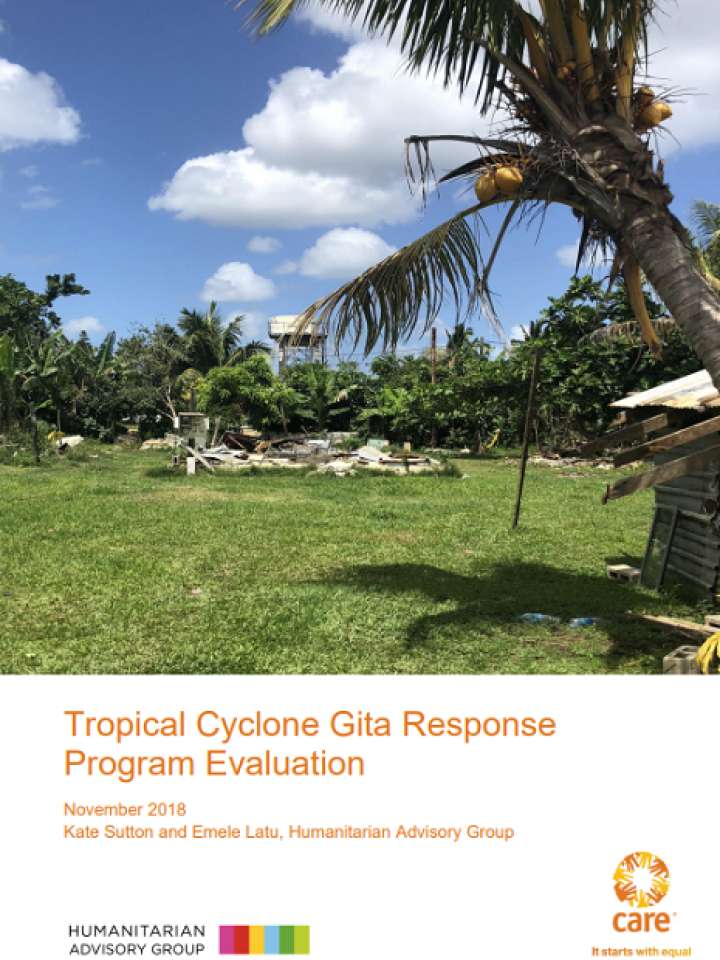
This report documents the findings from the evaluation of the CARE's assistance in the response and recovery program and provides forward-looking recommendations for the partnership and for preparedness and future emergency response in Tonga.
The report formulates recommendations to make Kerala the first green state in India with an eco-sensitive and risk-informed approach. The report also gives several high-ticket innovations and global examples to build back better (BBB) Kerala.
United Nations Development Programme (UNDP)
Global Facility for Disaster Reduction and Recovery, the (GFDRR)
This document is a comprehensive report prepared as part of the Post Disaster Needs Assessment (PDNA) following the severe floods and landslides in Kerala, India, in August 2018.
This document for the QSAND tool describes sustainability performance criteria against which recovery and reconstruction projects can be self-assessed and scored so as to inform decisions made in the aftermath of a disaster. QSAND was developed by BRE
International Federation of Red Cross and Red Crescent Societies (IFRC)
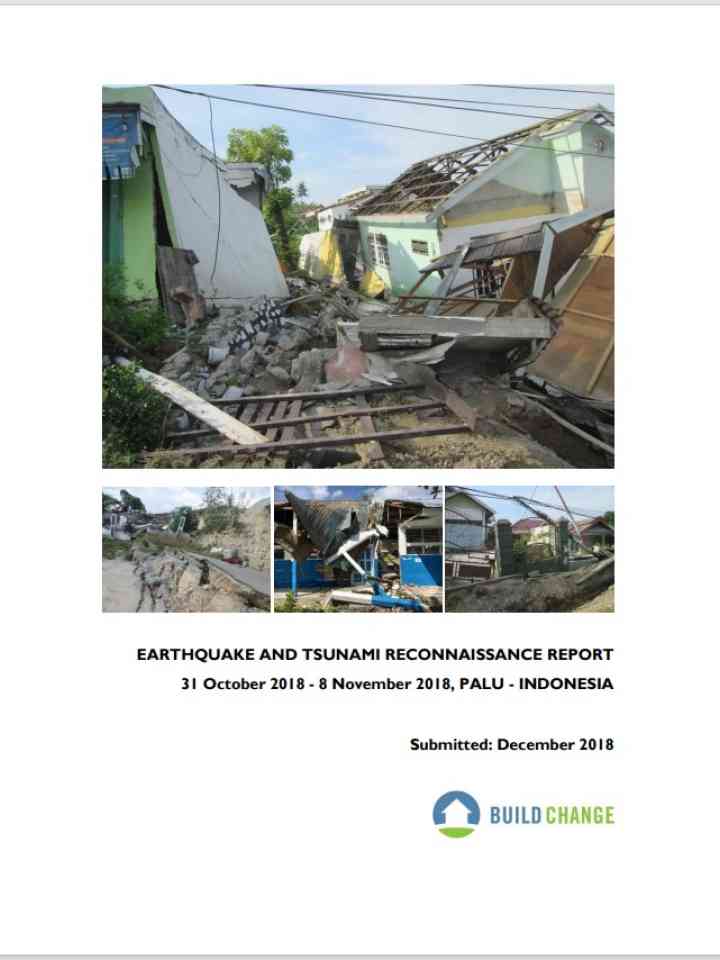
This is a report on a nine-day observation conducted from 31 October 2018 to 8 November 2018, after M 7.5 earthquake struck Central Sulawesi on 28 September 2018 at 6:02 pm local time (10:02 UTC).