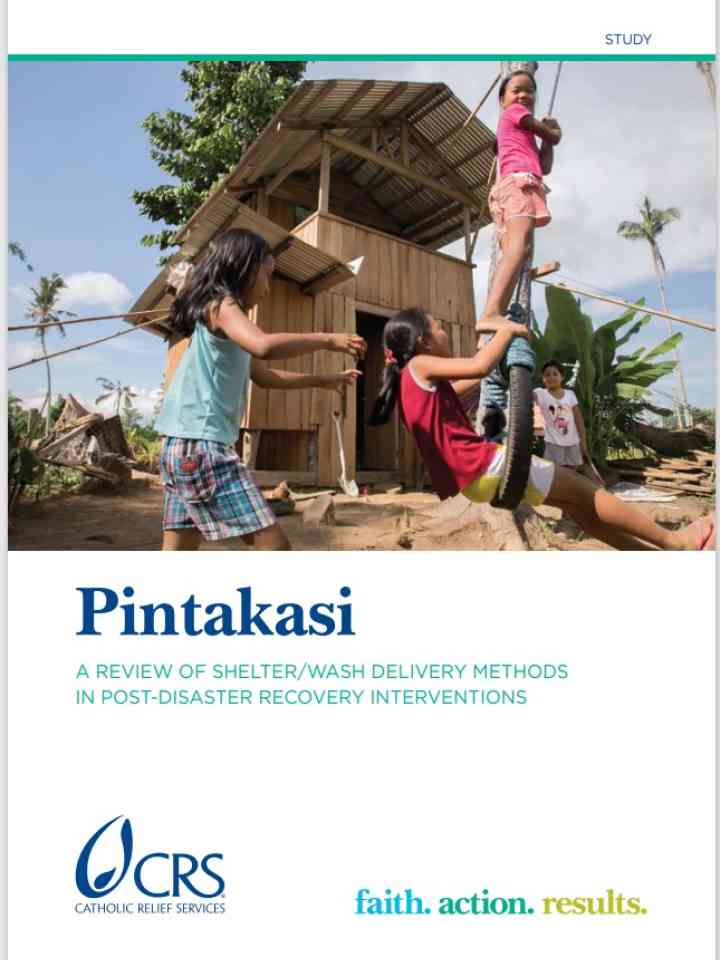
This study hopes to contribute valuable lessons learned and share best practices from the program to the shelter/WASH recovery communities of practice within the humanitarian sector as a whole.
This review looks at the state of evidence on humanitarian and disaster risk reduction (DRR) interventions which aim to reinforce economic resilience in view of anticipated shocks and support economic recovery after a shock, both in situations of natural
This brief documents some of the positive as well as the negative experiences in Sri Lanka recovery process during the then years following the 2004 Indian Ocean Tsunami.
This scoping study explores the resilience strategies of households in multiple livelihood systems by describing how households in Darfur have coped with conflict and other shocks over the past fifteen years. It begins with a brief description of
This paper examines the role of business interruption insurance in business recovery following the Christchurch earthquake in 2011 in the short and medium term. In the short-term analysis, it asks whether insurance increases the likelihood of business survival in the aftermath of a disaster.
The Emergency Job Creation (EJC) program in which unemployed people are hired for recovery works funded by the government was introduced after the 2011 earthquake and tsunami disaster. This paper evaluates how the EJC program targeted those most in need.
The purpose of this document is to assist National Societies to plan, prepare for, and respond to a range of nuclear and radiological emergencies, and as a result reduce the human suffering such incidents may produce. It provides basic background
International Federation of Red Cross and Red Crescent Societies (IFRC)
This study looks at how people and organizations - in the midst of post-disaster devastation and loss - are able to see and seize opportunities for change towards sustainability. The post-disaster recovery process