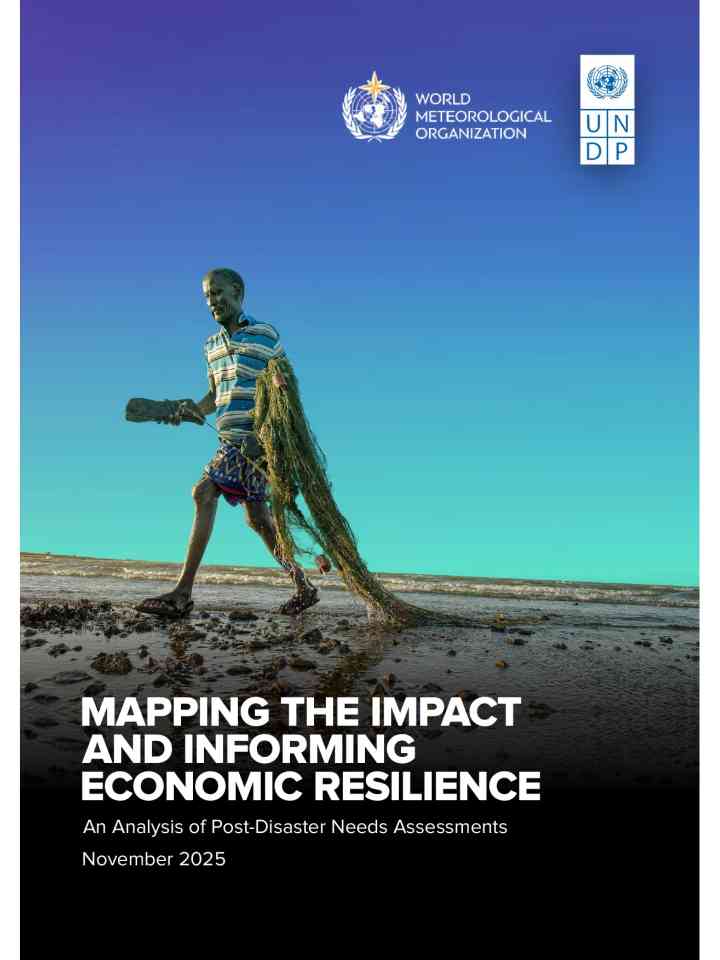
This joint publication presents a sectoral analysis of 91 weather, climate, and water-related Post-Disaster Needs Assessments (PDNAs) conducted between 2000 and 2024.
This call-to-action outlines priority measures for strengthening recovery readiness in Asia and the Pacific, emphasizing institutional frameworks, financing, capacity development, and data systems to support resilient, risk-informed recovery.
International Recovery Platform
United Nations Office for Disaster Risk Reduction (UNDRR)
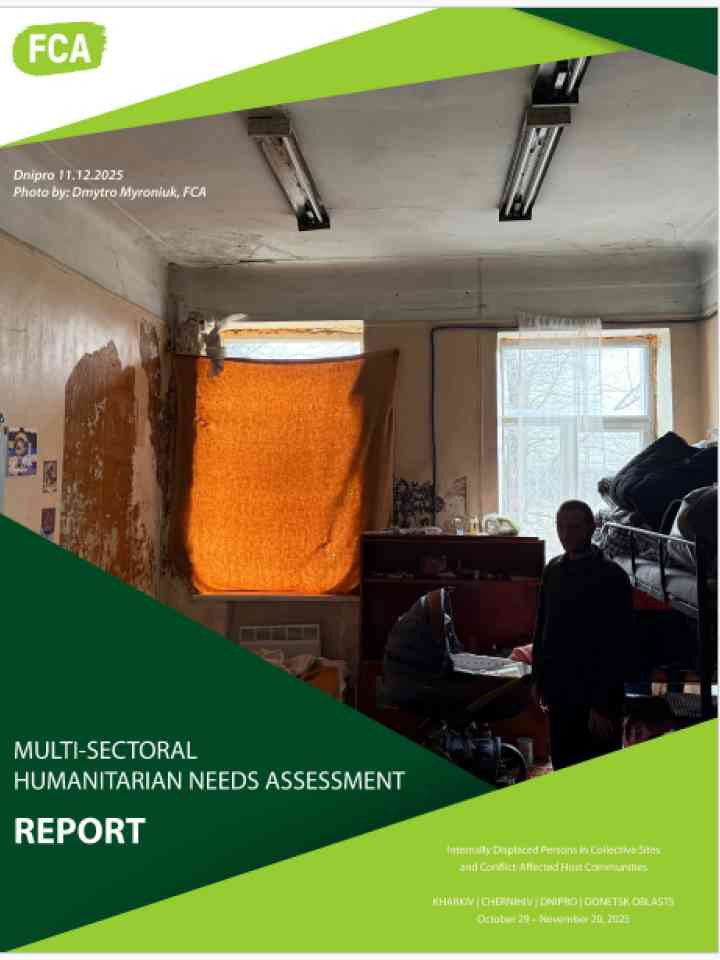
This report assesses humanitarian needs among internally displaced persons (IDPs) and host communities in conflict-affected regions of Ukraine, highlighting severe shortages in shelter, hygiene, infrastructure, winterization, and livelihoods.
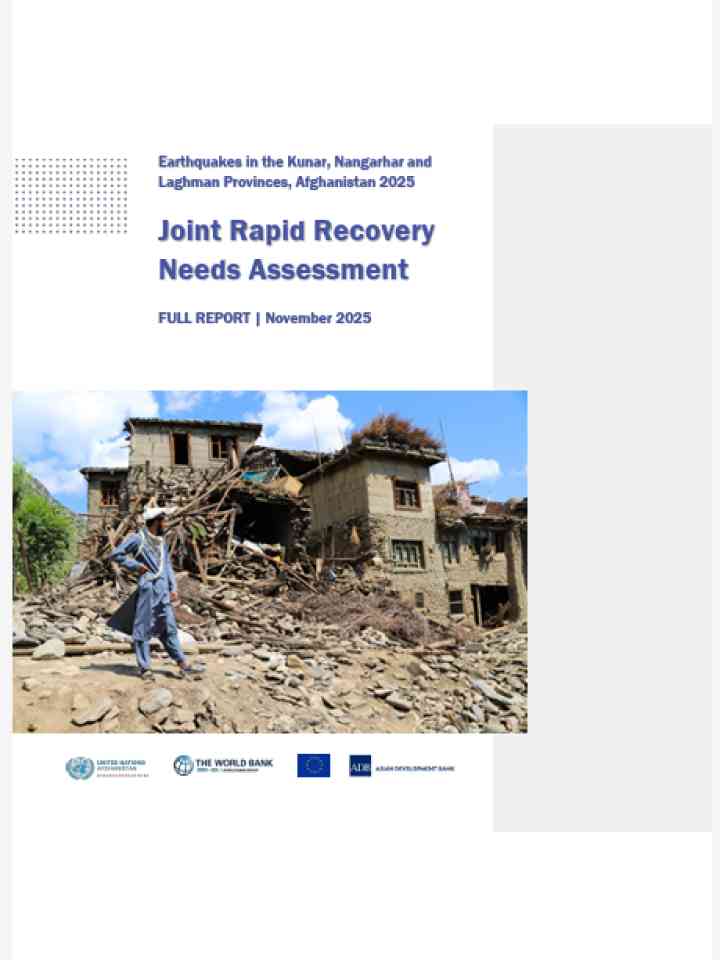
The report presents the Joint Rapid Recovery Needs Assessment (JRRNA) following the August 2025 earthquake in eastern Afghanistan, outlining damage, impacts, and priority recovery needs across key sectors.
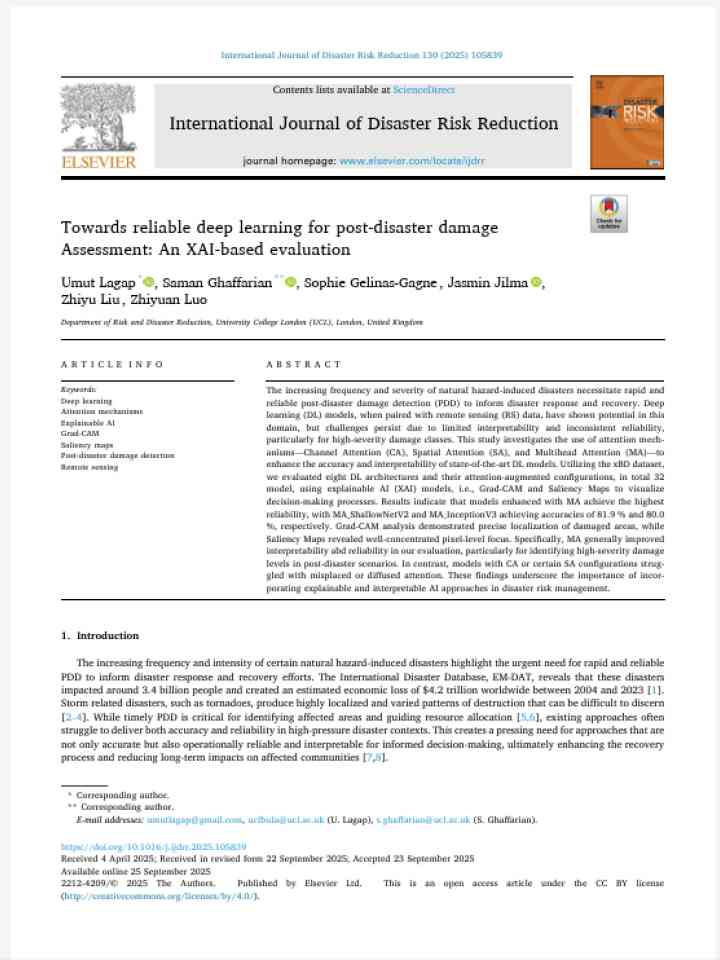
This study evaluates how attention mechanisms and explainable AI (XAI) techniques can improve the reliability and interpretability of deep learning models for post-disaster building damage assessment using satellite imagery.
International Journal of Disaster Risk Reduction (Elsevier)
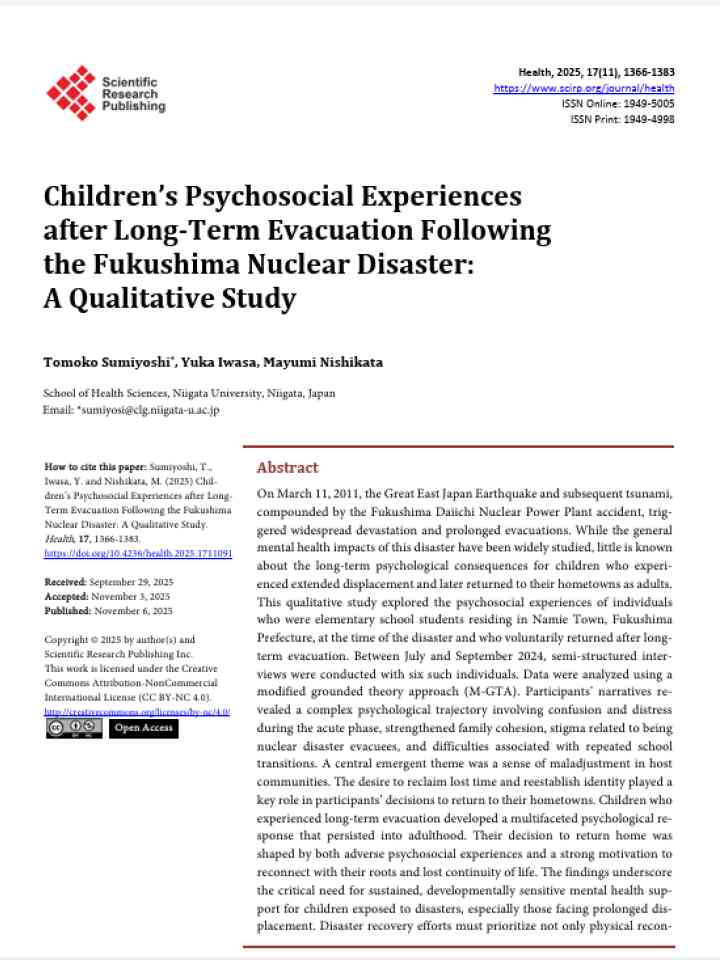
This study explored the psychosocial experiences of individuals who were elementary school students residing in Namie Town, Fukushima Prefecture, at the time of the GEJE, compounded by the Fukushima Daiichi Nuclear Power Plant accident.
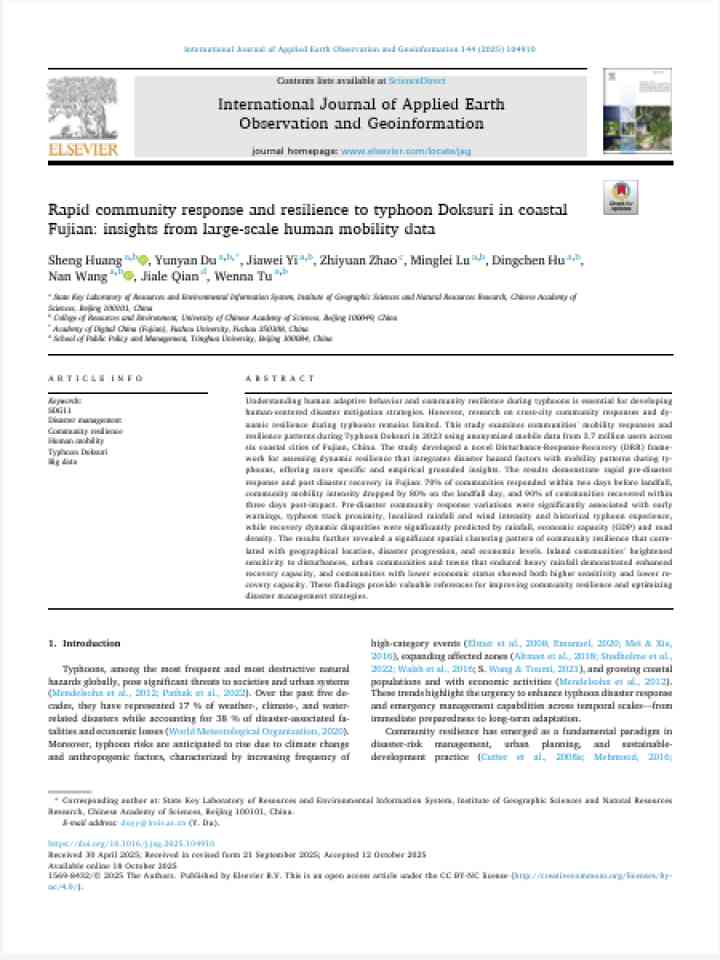
This study examines communities’ mobility responses and resilience patterns during Typhoon Doksuri in 2023 using anonymized mobile data from 3.7 million users across six coastal cities of Fujian, China.
International Journal of Applied Earth Observation and Geoinformation (IJAEOG)
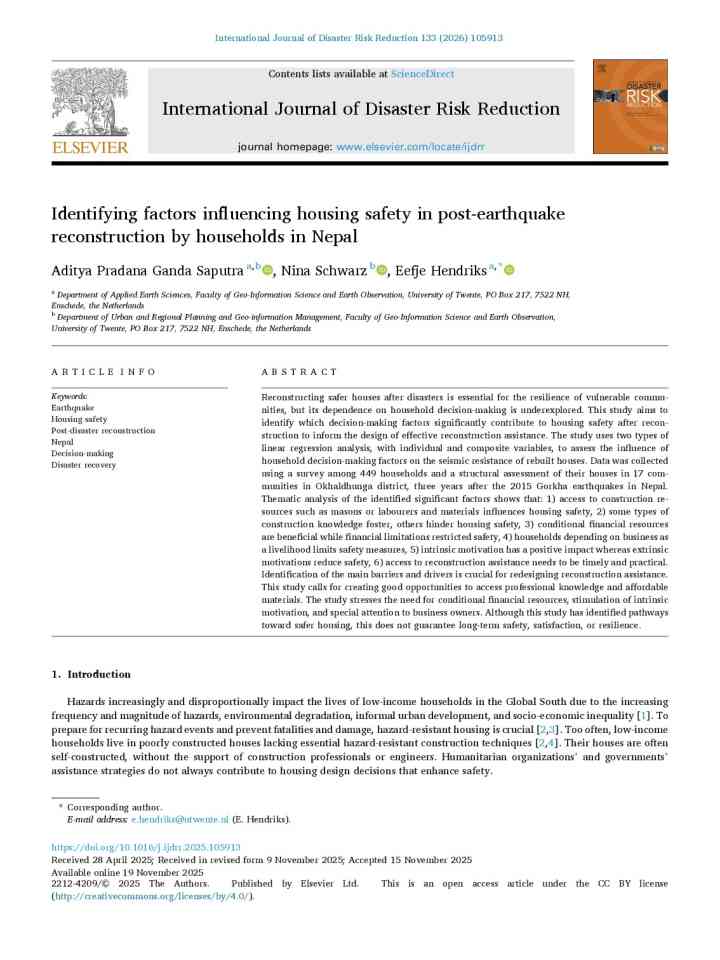
This study aims to identify which decision-making factors significantly contribute to housing safety after reconstruction to inform the design of effective reconstruction assistance.
International Journal of Disaster Risk Reduction (Elsevier)
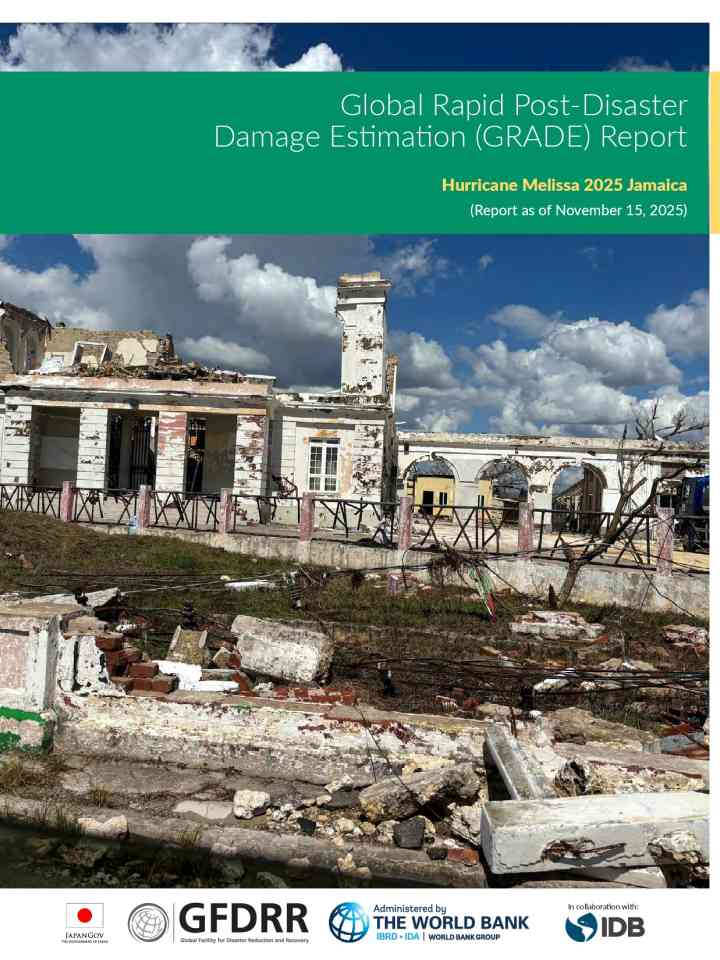
This Global Rapid Post-Disaster Damage Estimation (GRADE) report provides a synopsis of the estimated direct physical damage in Jamaica due to the passage of Hurricane Melissa.
Global Facility for Disaster Reduction and Recovery, the (GFDRR)
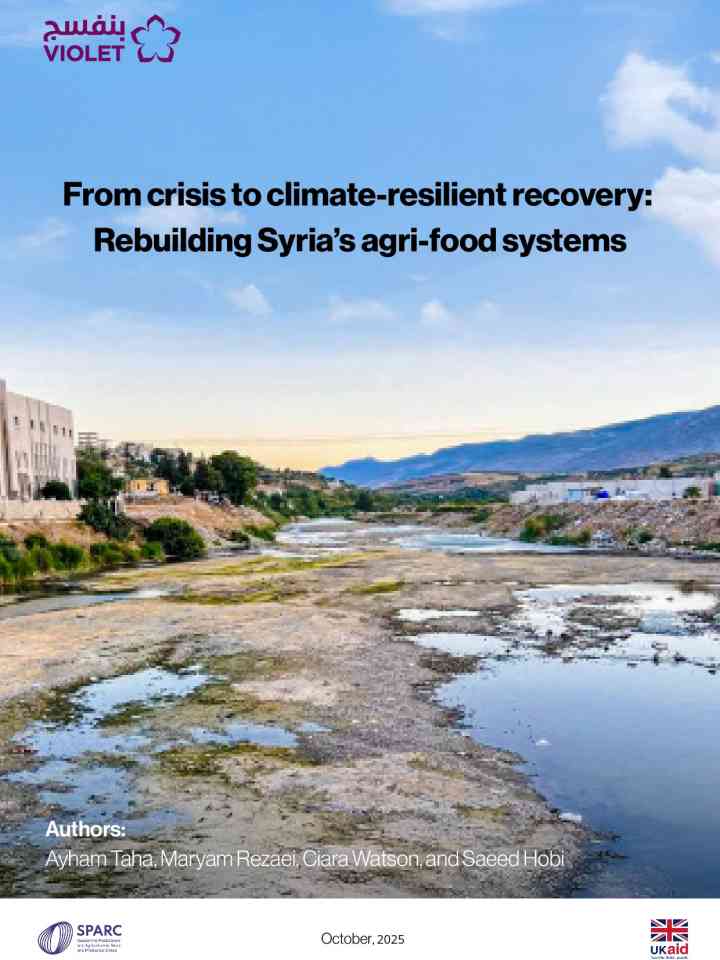
This brief provides policymakers and donors with an integrated picture of how climate and conflict interact across value chains and shape daily realities in Syria.
Supporting Pastoralism and Agriculture in Recurrent and Protracted Crises (SPARC)