This assessment with various post-earthquake recovery stakeholders was carried out to understand the impact of the COVID-19 on recovery and reconstruction in the 32 earthquake affected districts.
The UNCT in Angola prepared this UN Socio-Economic Response Plan to COVID-19, which addresses both programmatic and policy support national needs, to which a budget is attached with costs and financial gaps.
The main aim of the study is to understand resilience and coping of children who are affected by the flood. It is a quantitative and descriptive study by taking 60 samples (30 girls and 30 boys).
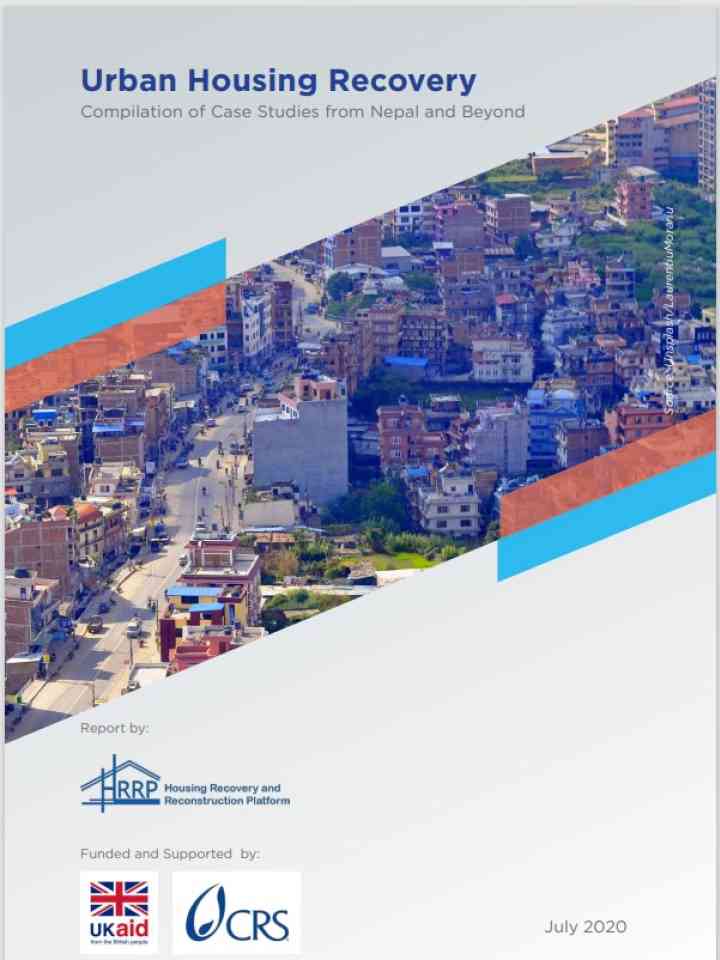
This research assesses reconstruction impacts in socio-economic aspects of rural housing with sustainable design parameters to Owner driven approach housing reconstruction after huge Mw 7.8 earthquake of Nepal in 2015.
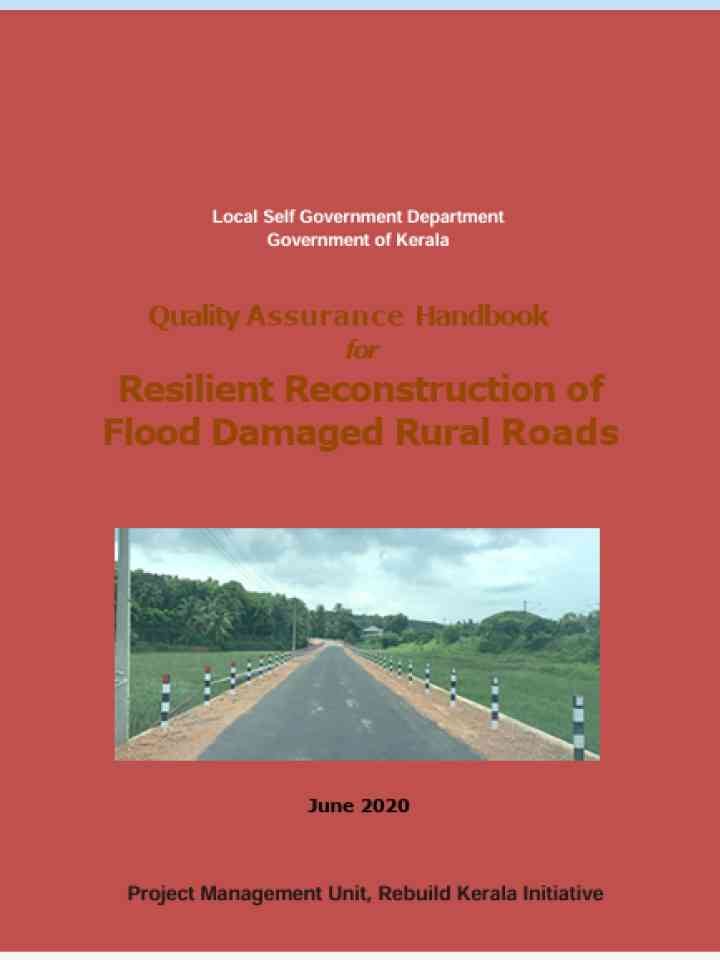
The document outlines detailed specifications, methodologies, quality control requirements, and maintenance guidelines for rural road construction and flood-damaged road reconstruction.
This issue of Humanitarian Exchange, co-edited with Humanitarian Policy Group (HPG) Research Fellow Eva Svoboda, focuses on the crisis in Iraq. The article featured here is on "Using participatory tools to assess remittances in disaster". In many low
The number of disasters and their magnitude are growing at an unprecedented rate. While there has been a decline in disaster mortality (in relative terms) over the last decade, in most places there has not been significant success in halting the
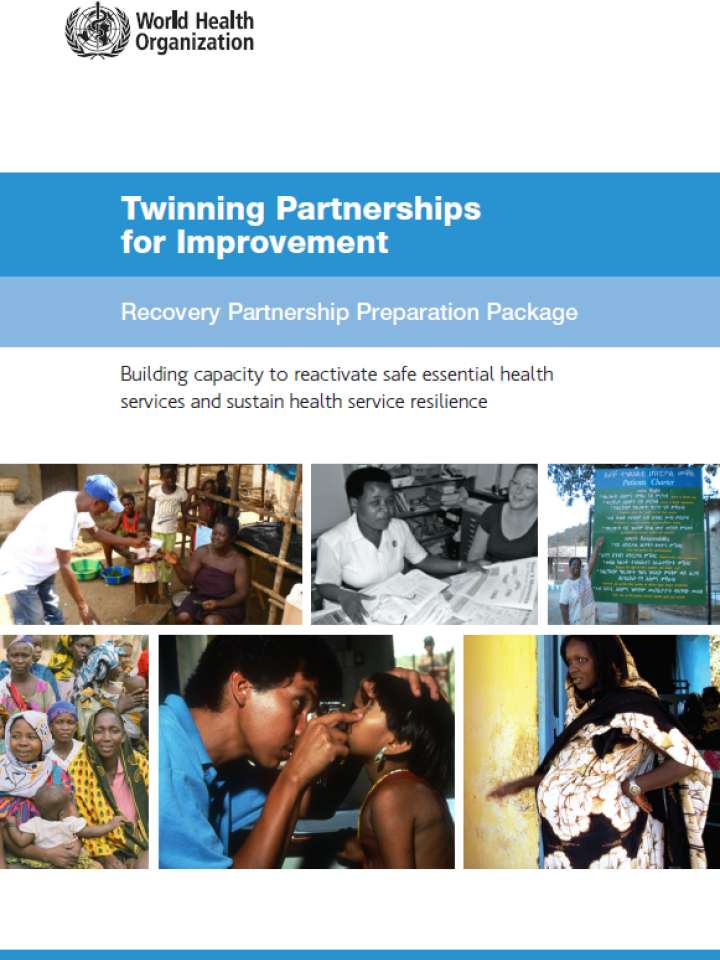
In the aftermath of an emergency, the recovery partnership preparation package supports the establishment and implementation of institutional health partnerships, or ‘twinning partnerships’. These partnerships focus on shared learning and improvement in