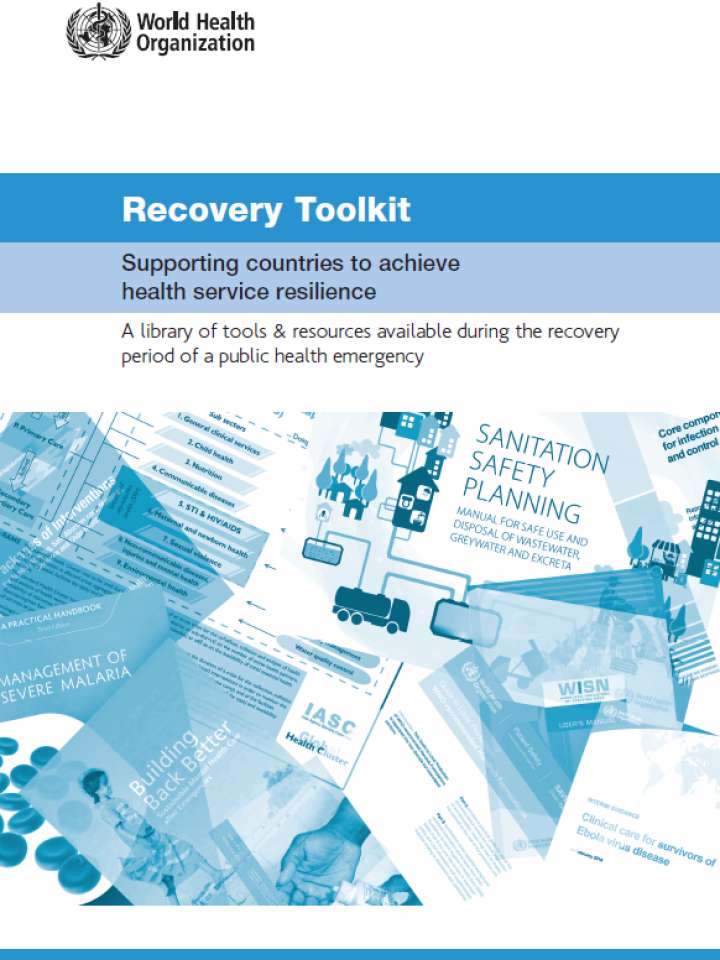
The recovery toolkit is a library of guidance resources in a single place which can be quickly and easily accessed, to guide action. A key purpose of the Recovery Toolkit is to support countries in the reactivation of health services which may have suffered as a result of the emergency.
This Toolkit on Gender Equality and Women’s Empowerment in Crisis and Recovery Settings provides guidance on how to enable the leadership of women and girls while making sure that their specific needs are met.
This research project explores areas in which resilience practitioners’ (RPs) and emergency responders’ (ERs) can influence on a community during a Natural Hazzard Emergency (NHE), and how this affects a community’s capacity to recover. This is important because a community’s ability to effectively recover from impacts of an NHE has implications for that community’s future resilience, and its ability to adapt to the effects of climate change. In this report the influence of RPs and ERs on a community’s capacity to recover is examined.
National Centre for Resilience (University of Glasgow)
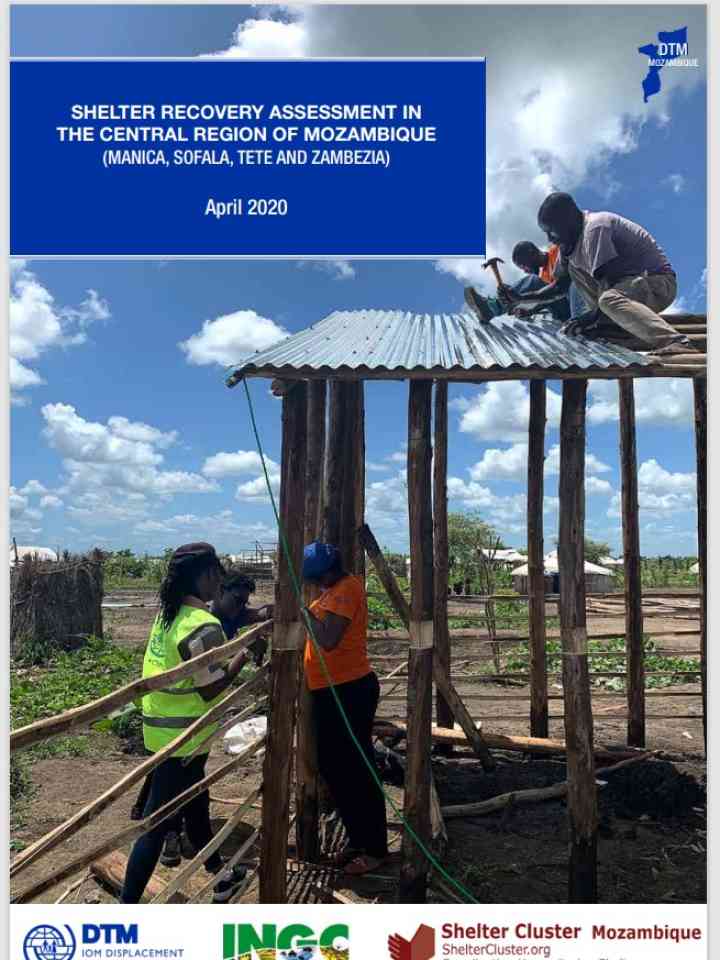
This assessment based on the guidance outlined in the Post-Cyclone Reconstruction Programme (PALPOC) developed by GREPOC, to guide the reconstruction efforts after Cyclone Idai in March 2019.
Global Shelter Cluster
European Commission’s Directorate-General for European Civil Protection and Humanitarian Aid Operations (DG ECHO)
United States Agency for International Development (USAID)
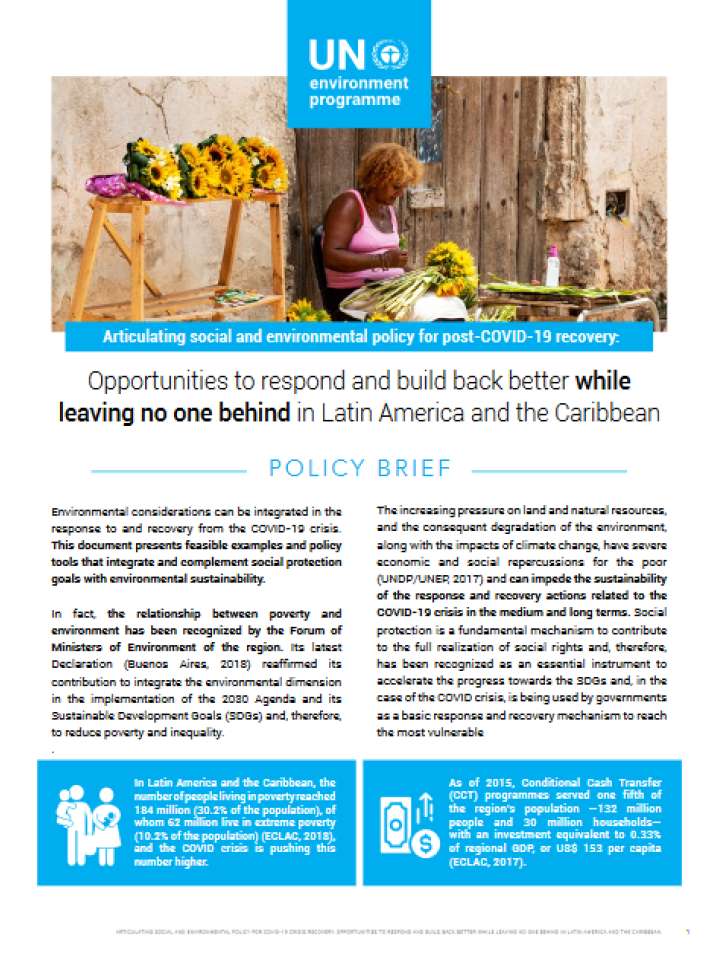
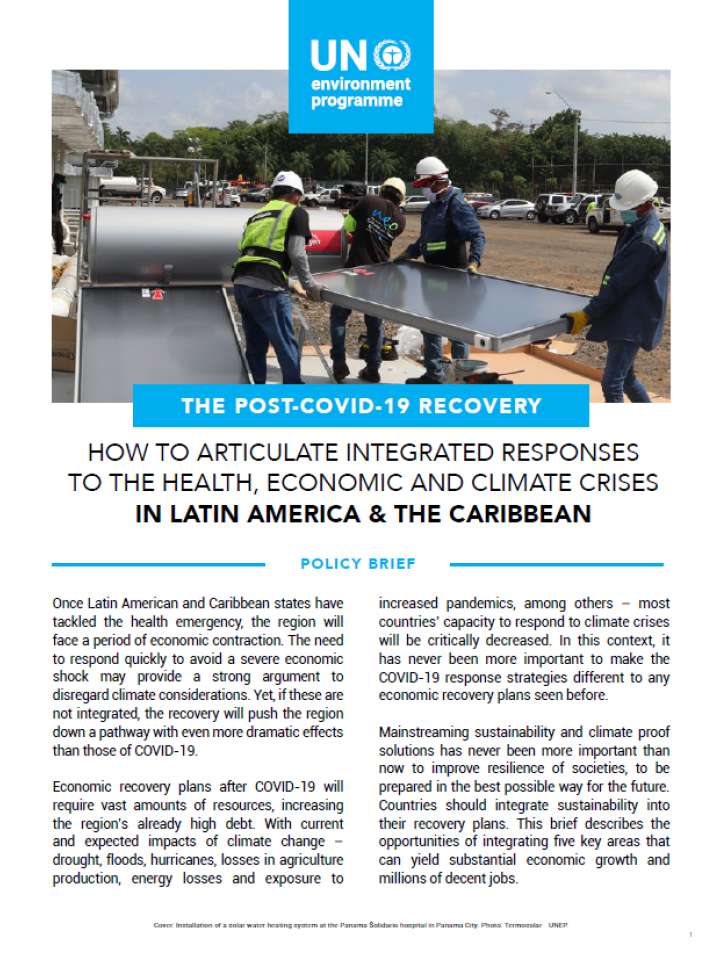
UNEP Regional Office in Latin America and the Caribbean has produced the series of policy briefs Articulating social and environmental policy for post-coronavirus disease 2019 (COVID-19) recovery.
This policy brief refers to opportunities to build back
UNEP Regional Office in Latin America and the Caribbean has produced the series of policy briefs Articulating social and environmental policy for post-COVID-19 recovery.
This document describes the opportunities to integrate five key high opportunity
This brief focuses on recovery from the COVID-19 crisis, and the challenges therein, weighing the COVID-19 crisis against past recovery efforts, and offers policy guidance to shape the recovery pathway that will lead the region to a more resilient “new normal”.
United Nations Economic and Social Commission for Asia and the Pacific (UN-ESCAP)
International Recovery Platform
United Nations Office for Disaster Risk Reduction - Regional Office for Asia and Pacific
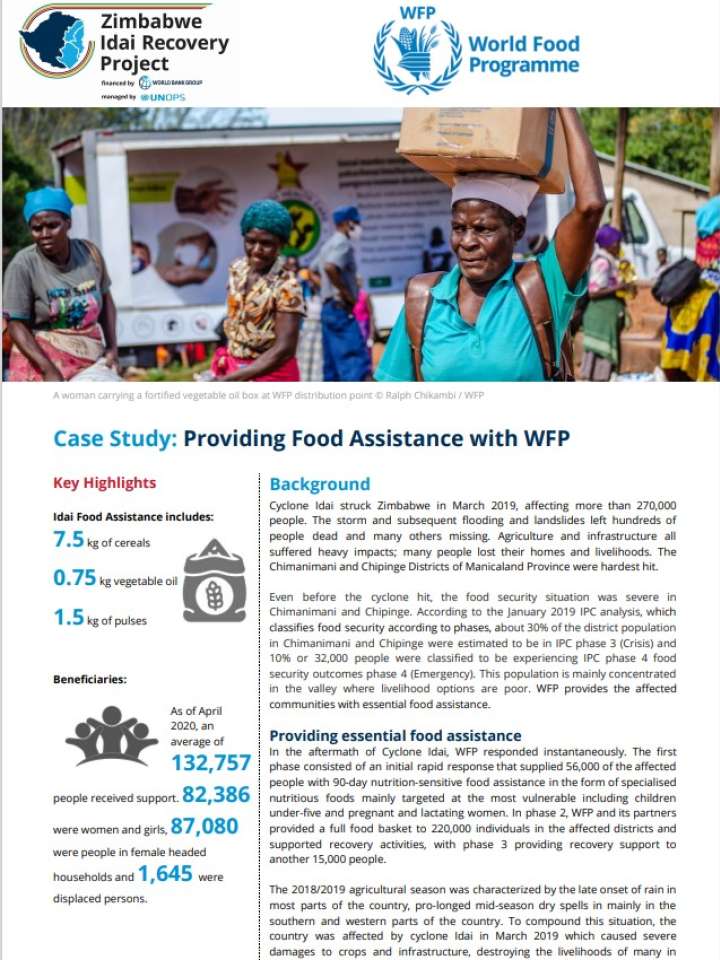
This is a project report on how WFP provided essential food assistance to affected areas in response to the aftermath of the catastrophic tropical cyclone "Idai" in Zimbabwe.
World Food Programme (WFP)
United Nations Office for Project Services (UNOPS)
World Bank, the
Global Facility for Disaster Reduction and Recovery, the (GFDRR)
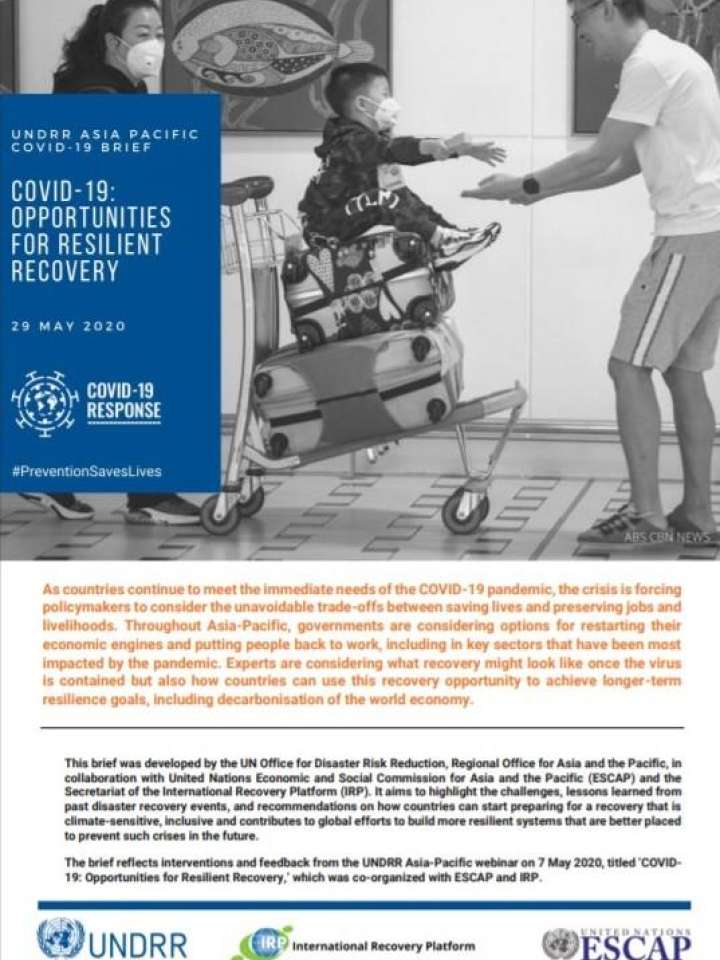
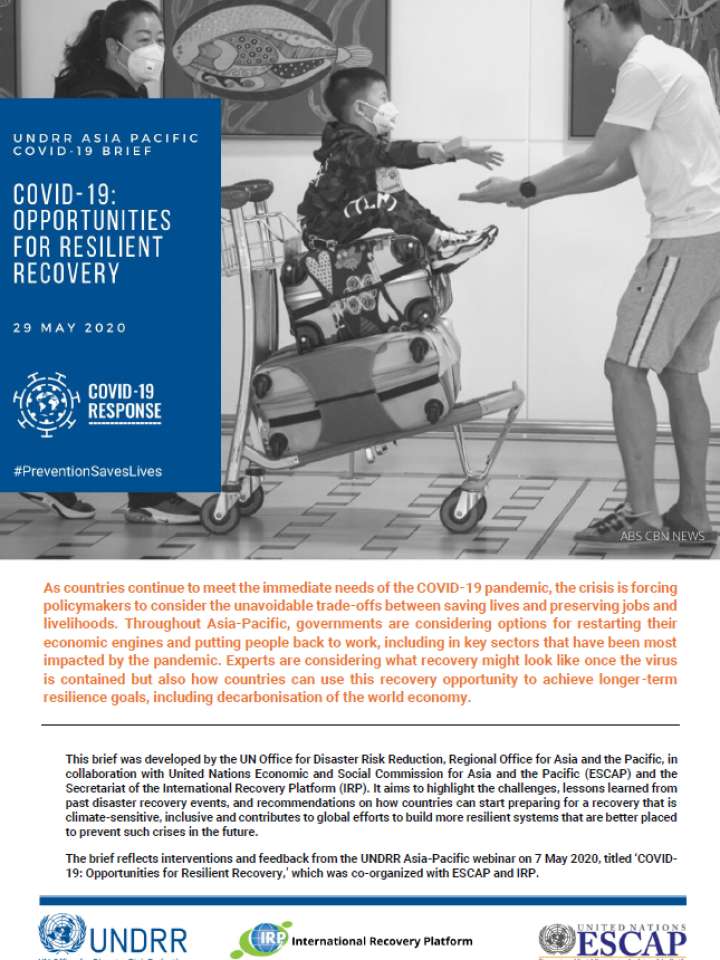
This brief highlights the challenges, lessons learned from past disaster recovery events, and recommendations on how countries can start preparing for a recovery that is climate-sensitive, inclusive and contributes to global efforts to build more resilient systems that are better placed to prevent such crises in the future.
United Nations Office for Disaster Risk Reduction - Regional Office for Asia and Pacific
This recovery framework provides a consistent and community-led approach for the planning and delivery of recovery activities for the 2019-20 Eastern Victorian bushfires.