This report discusses how to help reduce the immense human and financial toll of disasters caused by natural hazards and other large-scale emergencies, the Committee on Applied Research Topics for Hazard Mitigation and Resilience has been charged with
This report discusses how community-led approaches to disaster recovery are regarded as the optimal approach to sustainable disaster recovery, fostering self-reliance and self-determination within affected communities.
Bushfire and Natural Hazards Cooperative Research Centre
This report discusses how for most major ports in Japan, a business continuity plan (Port-BCP) has been developed to cope with potential functional disorder in port operations caused by natural disasters.
International Journal of Disaster Risk Reduction (Elsevier)
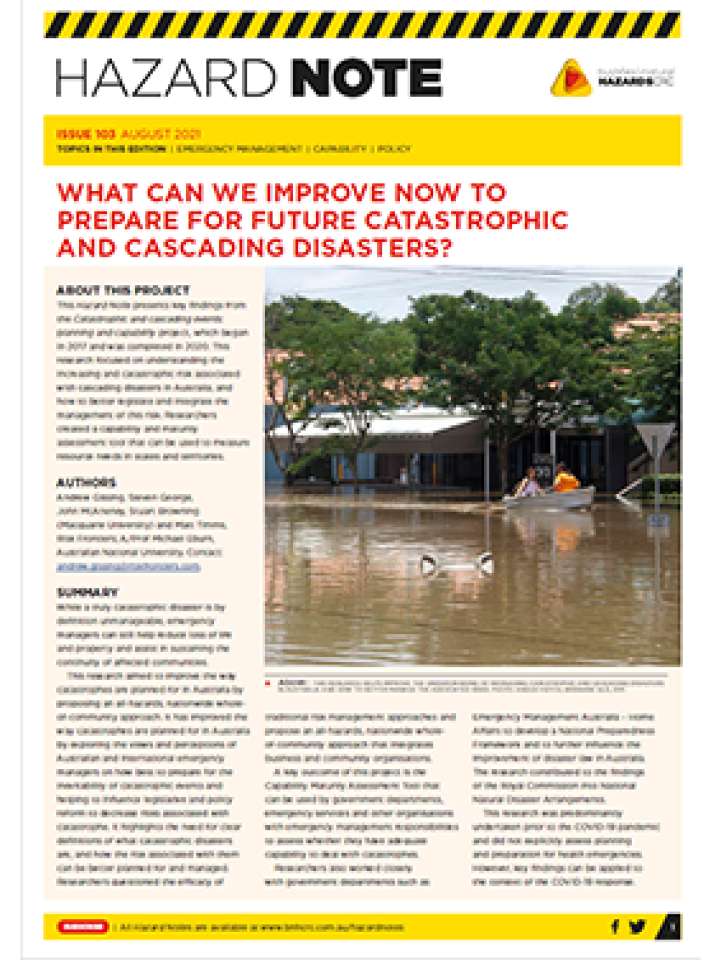
This note explains this research and presents the Capability Maturity Assessment Tool and other resources that can be used to further improve disaster law in Australia.
Bushfire and Natural Hazards Cooperative Research Centre
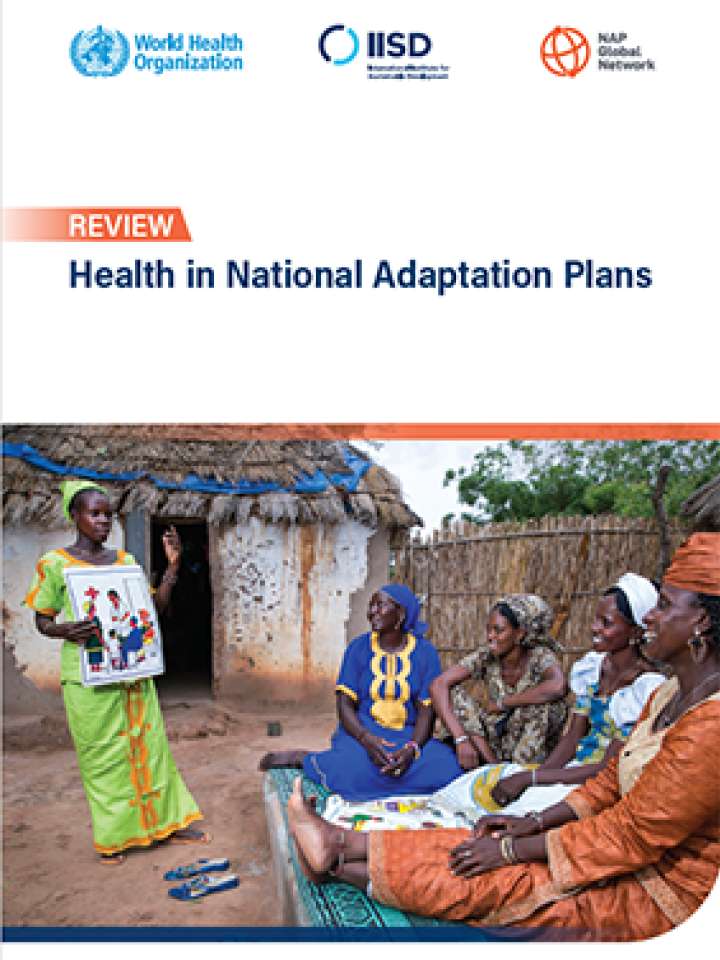
Climate change has significant impacts on health both directly, such as injury and death from extreme weather events, or heat illnesses from temperature increases, and indirectly, including malnutrition, increased spread of vector-borne diseases, and
International Institute for Sustainable Development (IISD)
With the aim of continuing the momentum made by the ASEAN in over a decade on regional disaster management collaborations, the AADMER Work Programme 2021-2025 was developed based on the foundation laid out by the AADMER itself. It is guided by the vision set by the AADMER to “build a region of disaster-resilient nations, mutually assisting and complementing one another, sharing a common bond in minimising adverse effects of disasters in pursuit of safer communities and sustainable development”. For 2021-2025, the mission is to “enhance and support ASEAN’s disaster risk reduction and disaster management capabilities through inter-sectoral cooperation, capacity building, scalable innovation, resource mobilisation, new partnerships, and stronger coordination among ASEAN Member States”.
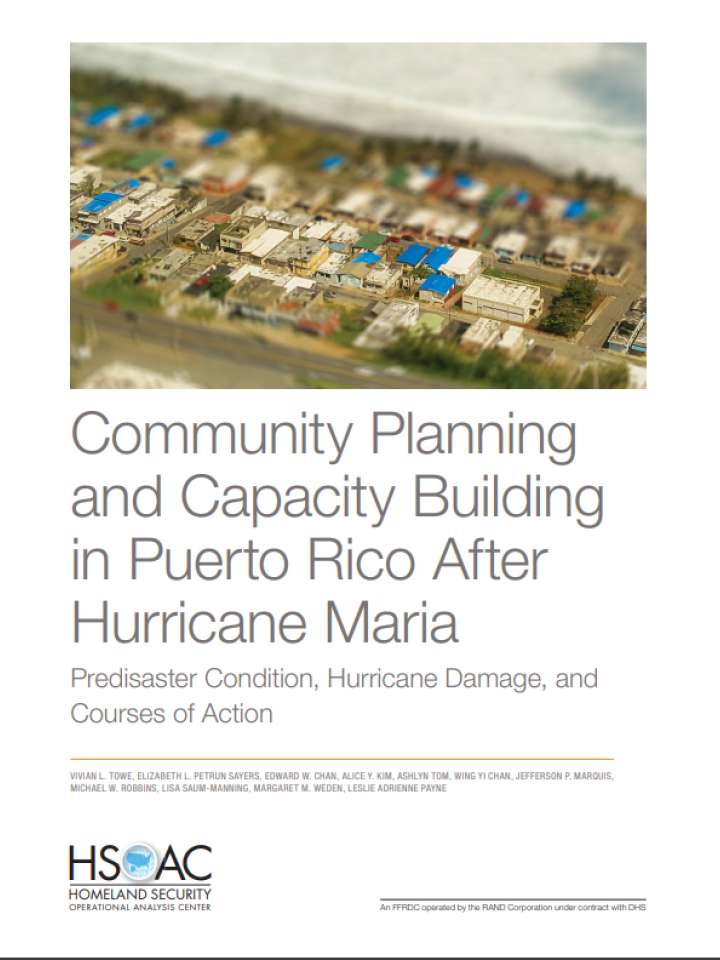
The authors describe the status of Puerto Rico's communities in terms of population characteristics and dynamics, community and individual preparedness, and economic pressures leading up to the landfalls of the hurricanes.
In this brief document, we highlight key insights from research on other crisis situations that we hope can inform recovery from the impacts of COVID-19 as well as the management of responses to future pandemics.
This compendium presents good practices in post-disaster recovery in Latin America and the Caribbean in order to spread and highlight the work and recovery processes taking place in different countries of the region.