This issue presents articles covering different aspects of microinsurance within the disaster risk reduction (DRR) context. The articles, contributed by experts and practitioners from DRR and insurance
Using as an example the 4 May 2007 tornado that levelling 95 per cent of the town of Greensburg, Kansas, and killing eleven of its fourteen hundred residents, this essay addresses the balance between the need
This study focuses on the 2006 landslide tragedy in the Philippines, where an entire community, including its people, its productive assets, and its socio-cultural resources, was totally buried. It reports on the various levels of recovery that have been achieved among the provision of community services and facilities such as health, education, recreation, infrastructure, livelihood opportunities and psychosocial services; and identifies the limitations of the principle of "build back better" as well as those areas of concern in which the principle can best be applied.
This report provides insights and recommendations for enhancing tsunami evacuation procedures based on observations and interviews conducted in tsunami-affected areas following the Great East Japan earthquake and tsunami of March 11th, 2011.
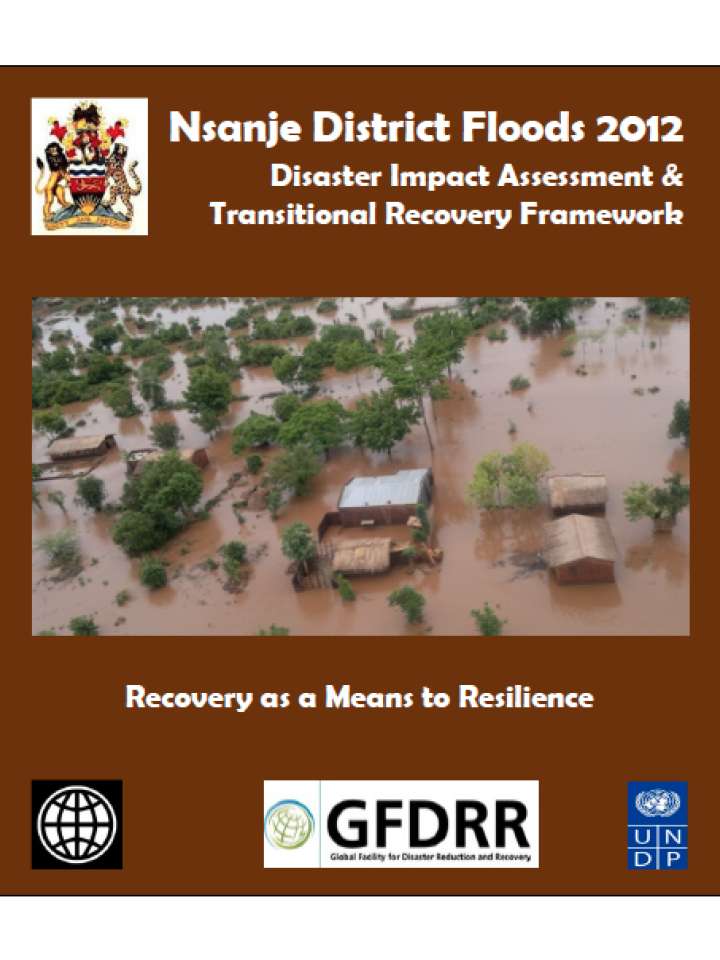
This assessment provides the recovery needs in the various sectors affected by the floods in Nsanje, Malawi. It provides recommended actions to improve the PDNA process in Malawi, and the guiding principles for the recovery framework.
Malawi - government
Global Facility for Disaster Reduction and Recovery, the (GFDRR)
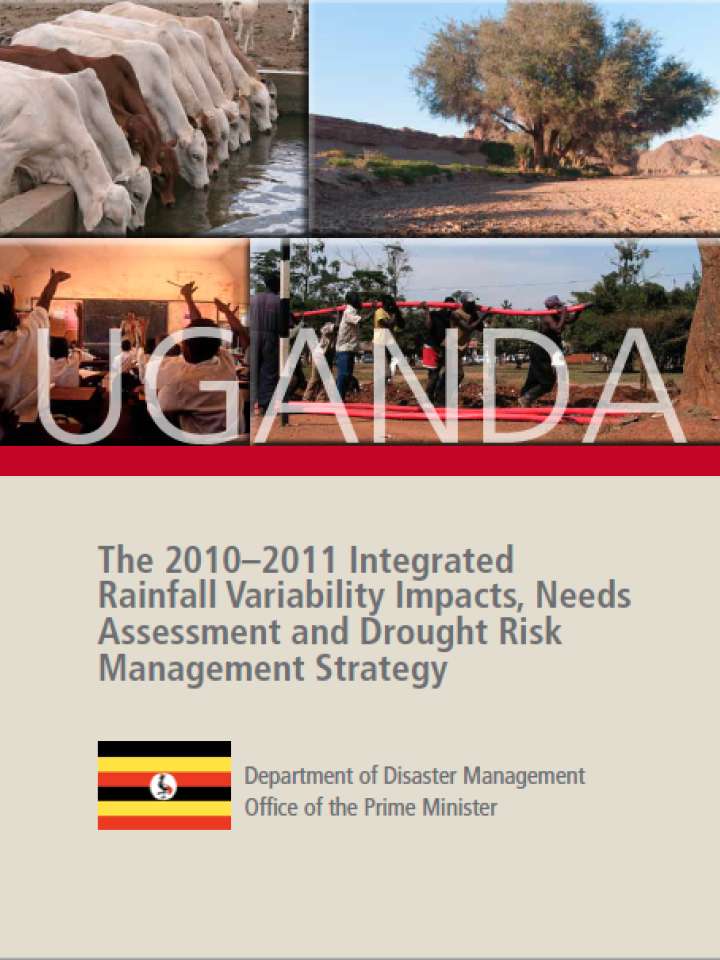
This assessment covers the losses and damage caused by the rainfall deficits, the priority and needs for recovery and reconstruction, and the proposed steps necessary for disaster risk management.
Uganda - government
Global Facility for Disaster Reduction and Recovery, the (GFDRR)
Community adaptation and risk reduction governance series, issue 2, December 2011:
This edition considers gender issues after disaster in Nias Island, North Sumatra, Indonesia, such as the Indian Ocean tsunami on 24 December 2004 and the 28 March 2005
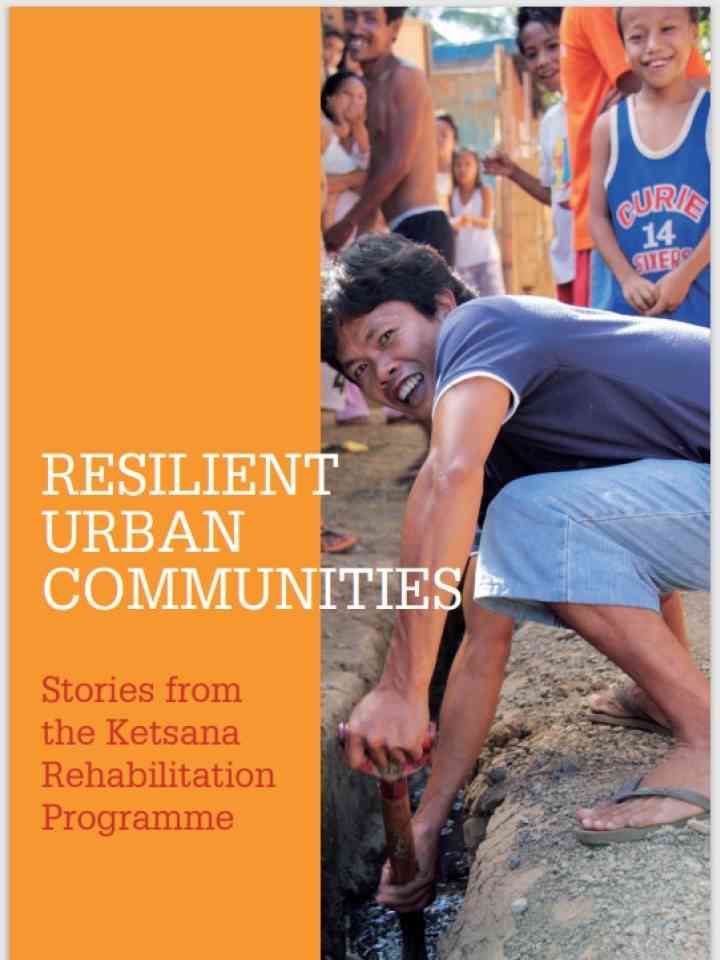
The Ketsana Rehabilitation Programme sought to “enable urban poor communities seriously affected by Typhoon Ketsana to recover from their loss and strengthen their capacities to sustain their lives and livelihoods.”
This position paper explains the need for drylands recovery and development in the Horn of Africa through community control and empowerment, education and pro-poor infrastructure. It asserts that if focus could be shifted to long term resiliency measures
Food and Agriculture Organization of the United Nations (FAO)
United Nations Office for the Coordination of Humanitarian Affairs