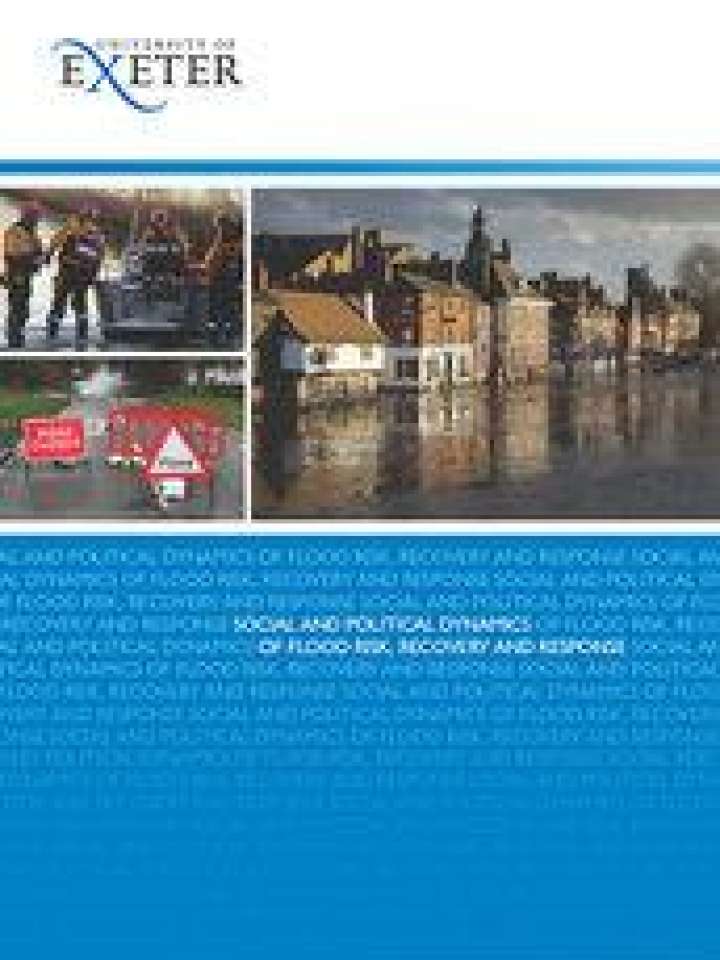
This report sets out key insights and findings from a major research project focussed on the social and political dynamics of flood events. The research sought to understand the evolution of responses to floods in the aftermath of a major event and the
This DRF guides the planning and implementation of recovery programmes and projects, providing overall direction to the government, the private sector, development partners, civil society and communities.
This topic guide is a review of the state of play in post-disaster reconstruction. It builds on extensive research, literature and experience to date, most recently considering outputs from the 2015 Sendai Conference on Disaster Risk Reduction (DRR). It considers the status quo and puts forward alternative positions for facilitating effective reconstruction through a more seamless and re-planned approach.
In the aftermath of Typhoon Haiyan in 2013, a majority of the designated evacuation centers (mostly in the form of school buildings or public gymnasiums) were severely damaged. In the drive to build back better and safer, the Philippine Disaster
United Nations Office for Disaster Risk Reduction (UNDRR)
This document proposes ways to improve planning methods for transport redevelopment in post-conflict reconstruction. It refutes the widespread perception that inland water transport (IWT) is a minor mode of transportation because of its disadvantages
Special Publication (NIST SP) 1197, doi:10.6028/NIST.SP.1197:
This guide provides a standard economic methodology for evaluating investment decisions aimed to improve the ability of communities to adapt to, withstand, and quickly recover from disasters
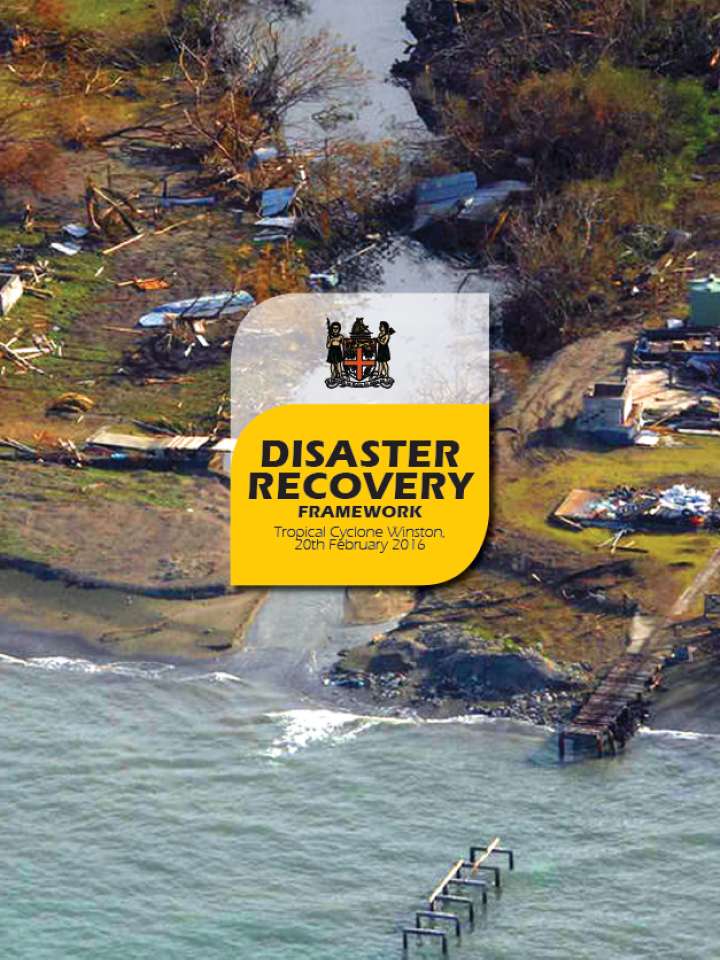
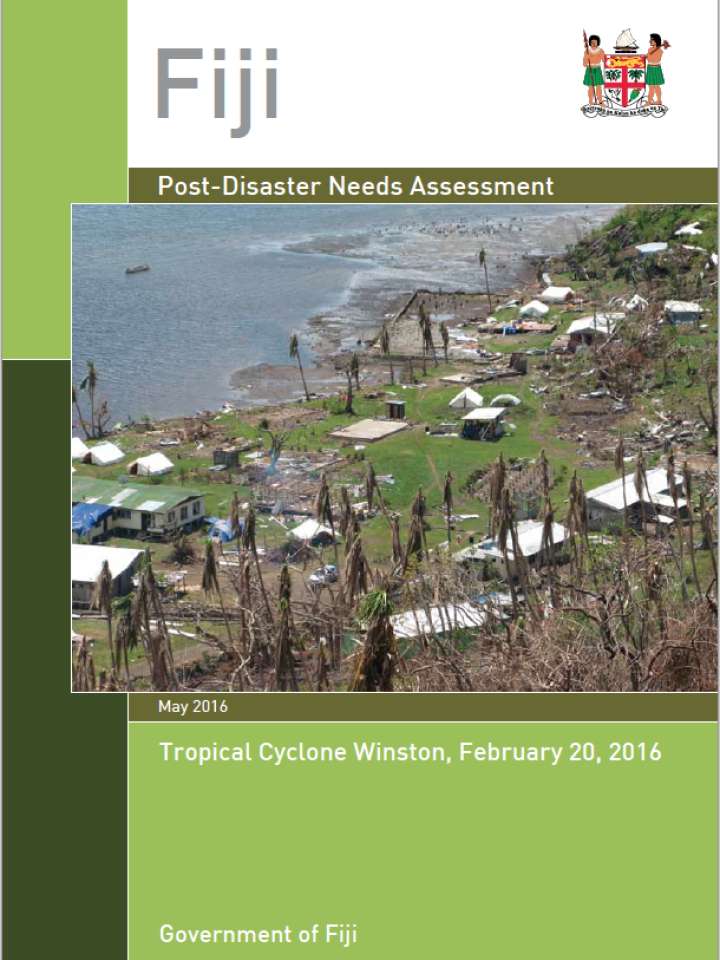
This PDNA covers the damage and losses across various sectors following Tropical Cyclone Winston that struck Fiji in 2016. A summary of recovery, reconstruction, and resilience needs are included in the report.
Fiji - government
Global Facility for Disaster Reduction and Recovery, the (GFDRR)
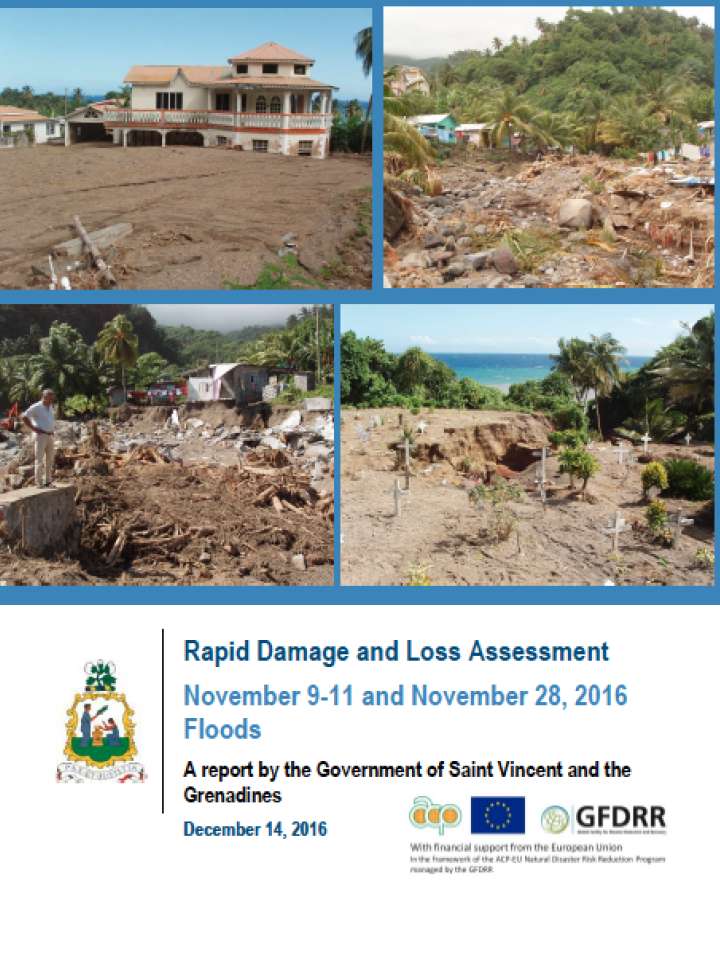
This report provides a rapid damage and loss assessment to inform the Government ’s recovery planning. It includes recommendations to further incorporate disaster risk reduction and management into land use and physical planning decision-making processes.
Saint Vincent and the Grenadines - government
Global Facility for Disaster Reduction and Recovery, the (GFDRR)
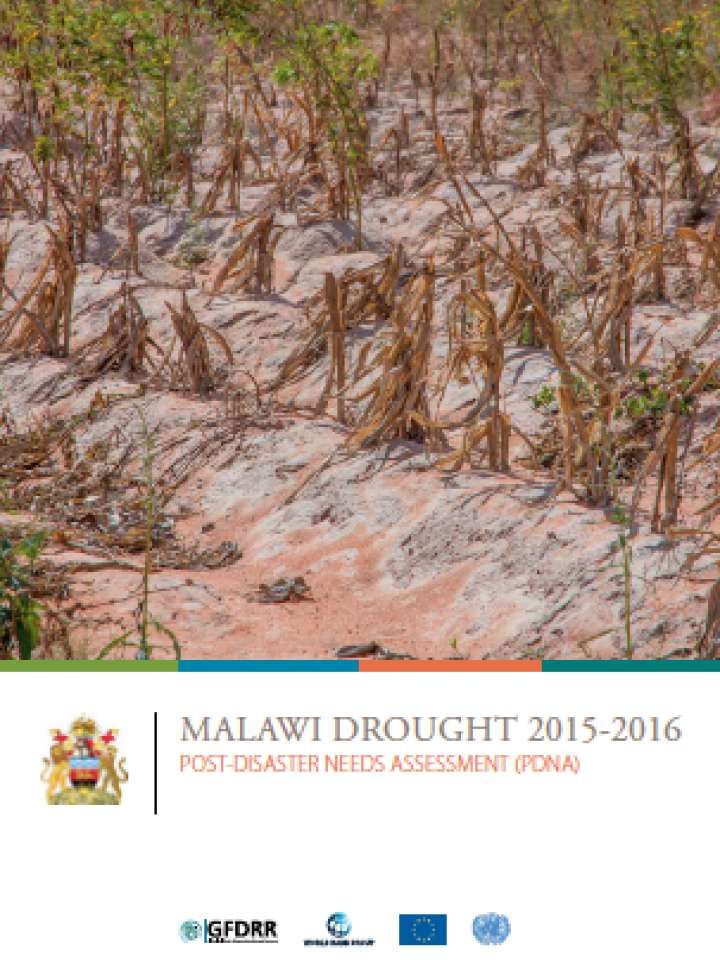
This PDNA provides an analysis of the physical, socioeconomic, and human impacts of the 2015-2016 drought in Malawi. It analyzes the challenges and lessons from the ongoing drought response and provides recommendations for improved drought resilience.
Malawi - government
Global Facility for Disaster Reduction and Recovery, the (GFDRR)
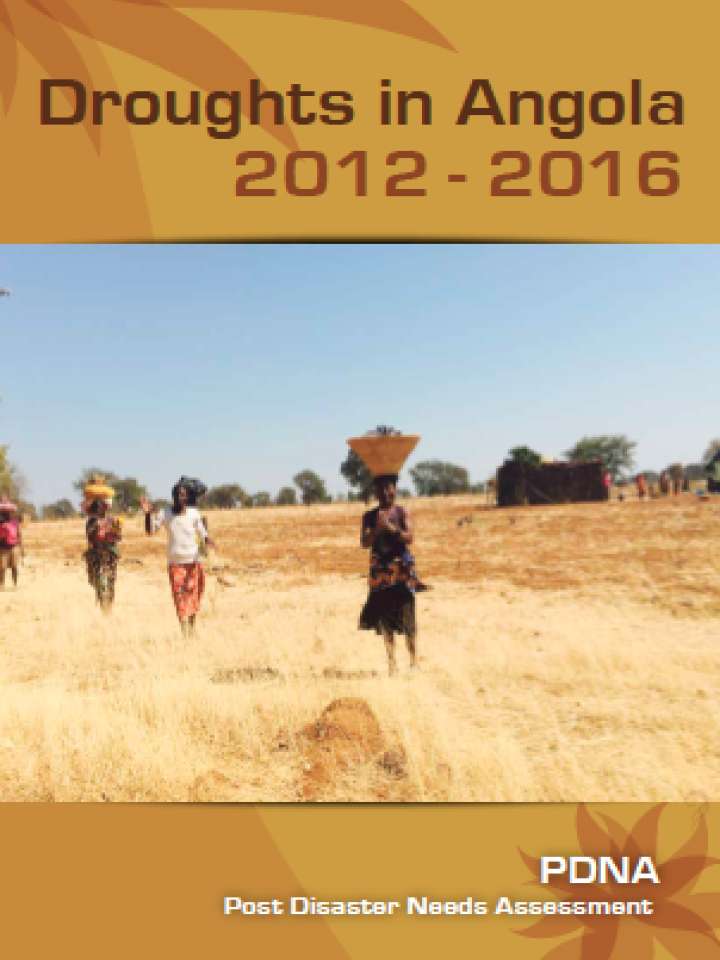
This PDNA examines the impact of the prolonged drought from 2012 to 2016 in Angola on the three southern provinces Cunene, Namibe and Huíla. It provides a recovery strategy and key interventions for each of the three provinces.
Angola - government
Global Facility for Disaster Reduction and Recovery, the (GFDRR)