This report outlines the ways Japan has built the resilience of its water supply and sanitation (WSS) services through an adaptive approach based on lessons learned from past natural disasters.
Global Facility for Disaster Reduction and Recovery, the (GFDRR)
This report assesses the scale of damage of the 2016 floods in Vietnam and lays the groundwork for effective recovery and reconstruction efforts in the five priority provinces of Ha Tinh, Quang Ngai, Binh Dinh, Phu Yen and Ninh Thuan.
Global Facility for Disaster Reduction and Recovery, the (GFDRR)
This paper discusses the LAC countries’ sustainable infrastructure that has been shown to be resilient, continuing to operate without collapse even during hazardous events.
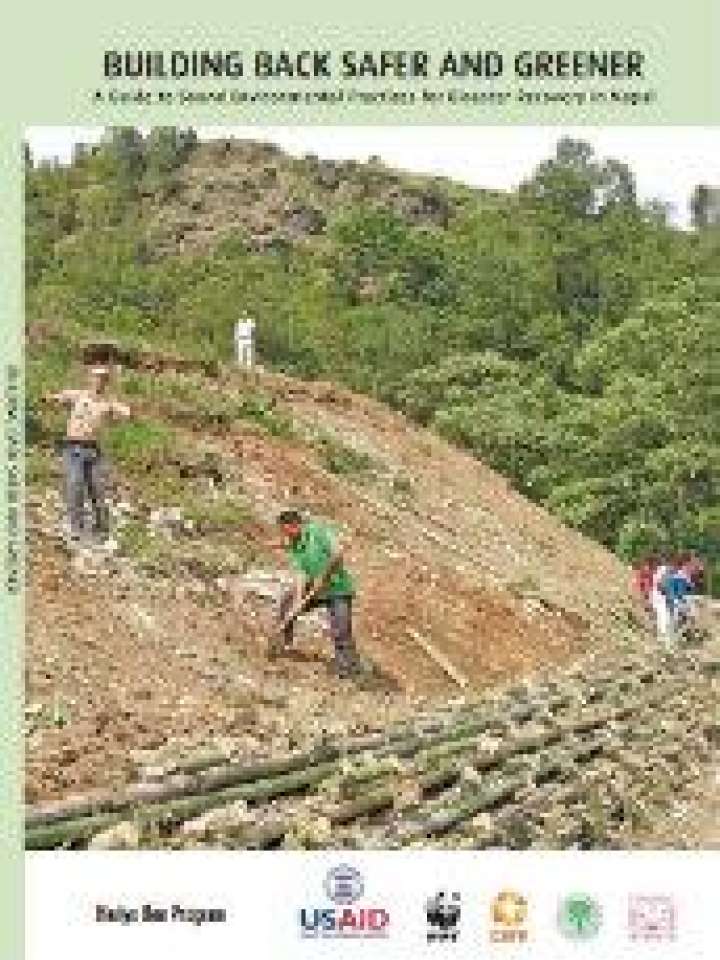
This guide outlines ways in which adverse environmental impacts can be avoided after disasters, and good practices can be promoted. It covers sectors including settlements and land use planning; building construction; waste management; energy; infrastructure; water, sanitation and hygiene; agriculture and livelihoods; and education. It highlights the importance of flood risk management, landslide prevention and treatment, and management of forests after disasters.
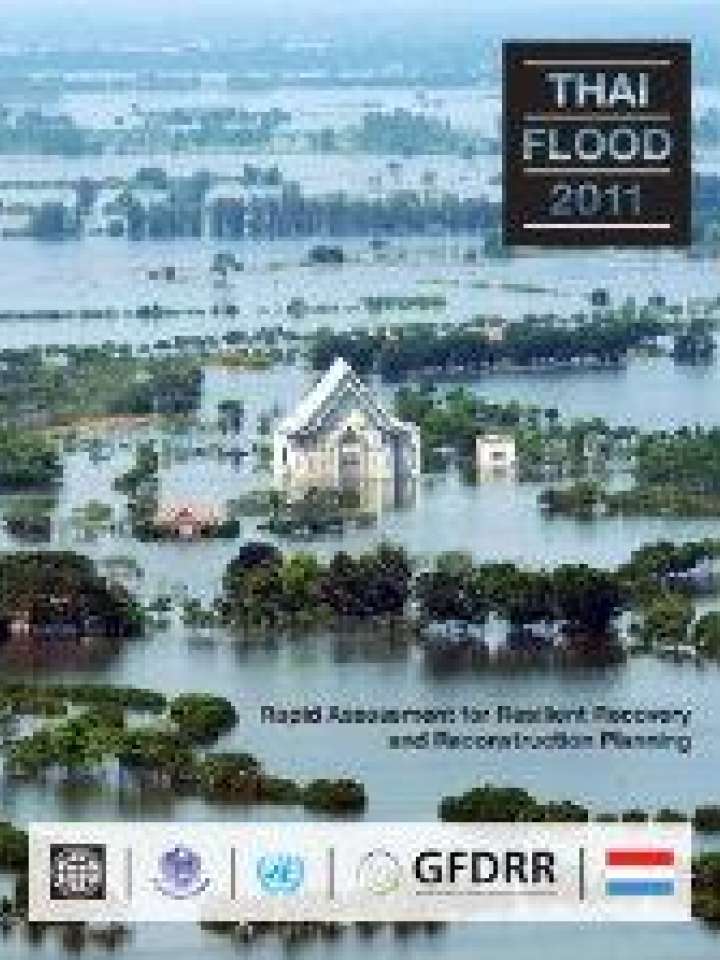
This Rapid Assessment for Resilient Recovery and Reconstruction Planning report is the result of an exercise initiated by the Royal Thai Government to assess the economic and social impact of the 2011 floods and prepare recovery and reconstruction plans.
Twenty-six of the country’s 66 affected provinces were included in the assessment, which examines 18 main sectors and used a comprehensive and internationally established methodology looking at damage and losses caused by the disaster. The report determines the country’s needs for post-disaster recovery and reconstruction and proposes short-, medium-, and long-term measures in each of the 18 sectors for a sustainable post-disaster reconstruction program. Drawing on global good practices for disaster risk management and building-back-better strategies, the report also gives suggestions on how to improve the resilience of the country’s infrastructure and its communities to the impacts of disasters.
World Bank, the
Global Facility for Disaster Reduction and Recovery, the (GFDRR)
This article addresses the sustainability implications of post-disaster measures in the context of the 2004 Indian Ocean Tsunami by presenting an analysis of the current situations and changes in some of the affected regions. Sustainability implications of measures are captured by investigating the persistence of the social and economic living conditions in relation to post-disaster measures, and the alignment of the measures with basic environmental aspects.
n additional to a case study on recovery in Nepal, this report presents the GFDRR approach including Strengthen recovery systems; Assessing needs and planning recovery; Ensuring coordination; Leverage financing for recovery; Resilience through recovery.
Global Facility for Disaster Reduction and Recovery, the (GFDRR)