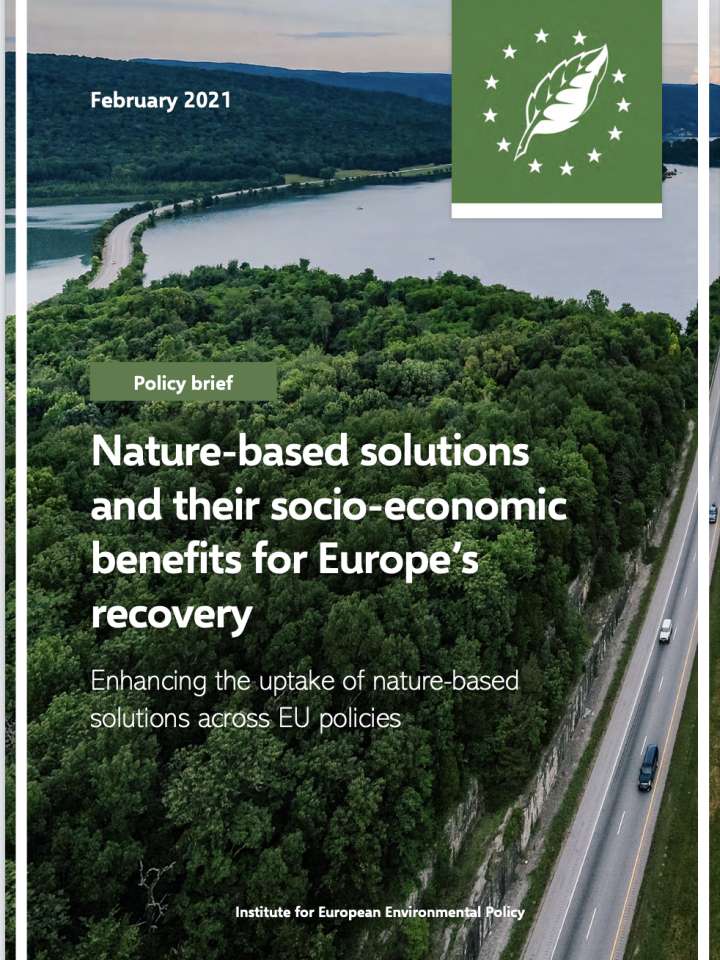
This briefing provides an overview of the wide range of socio-economic benefits that nature-based solutions can achieve alongside addressing the intertwined climate change and biodiversity loss crises. The briefing highlights the central role these
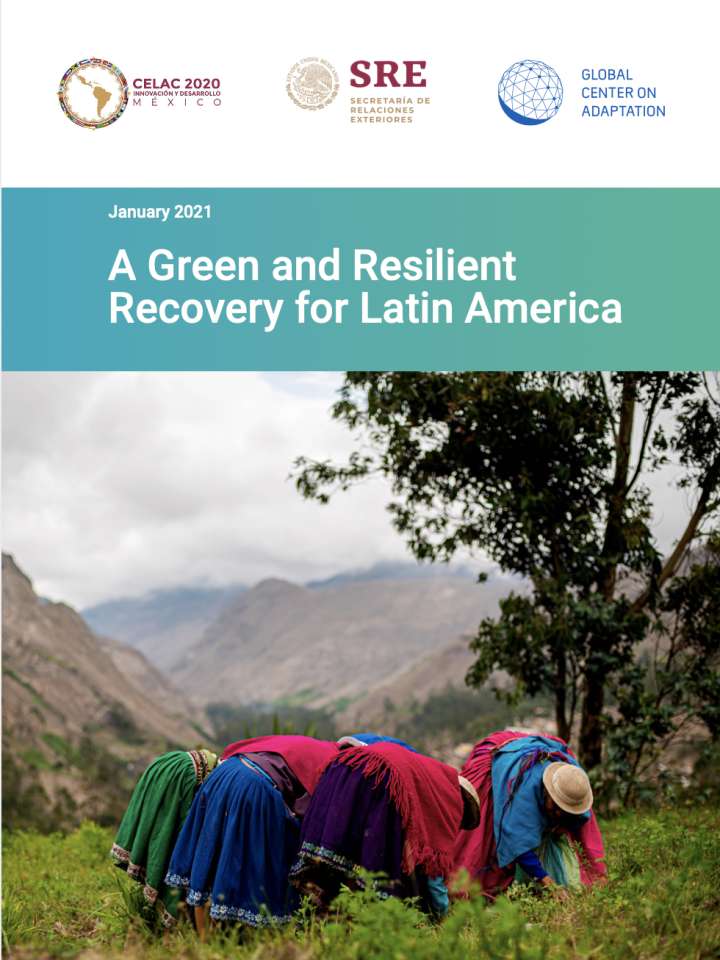
This paper assesses the green and resilient recovery for Latin America. As the world deals with multiple waves of the pandemic, Latin America has shown that inequality is its achilles heel in mounting an effective response. While the region has made
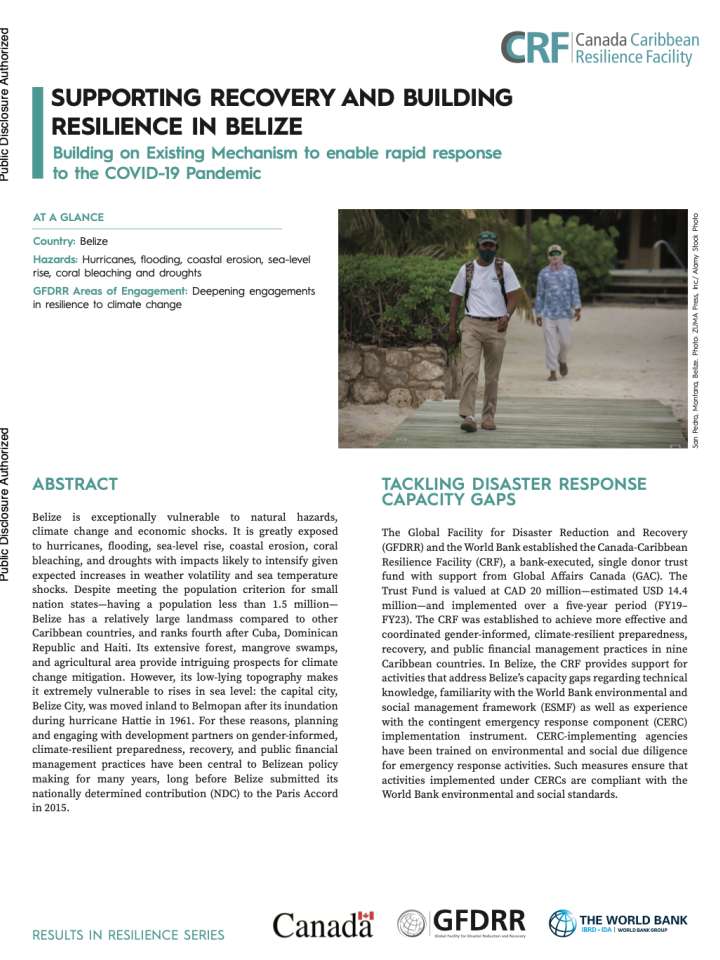
This paper covers the scopes of recovery and resilience in Belize aiming to build on existing mechanism to enable rapid response to the COVID-19 pandemic.
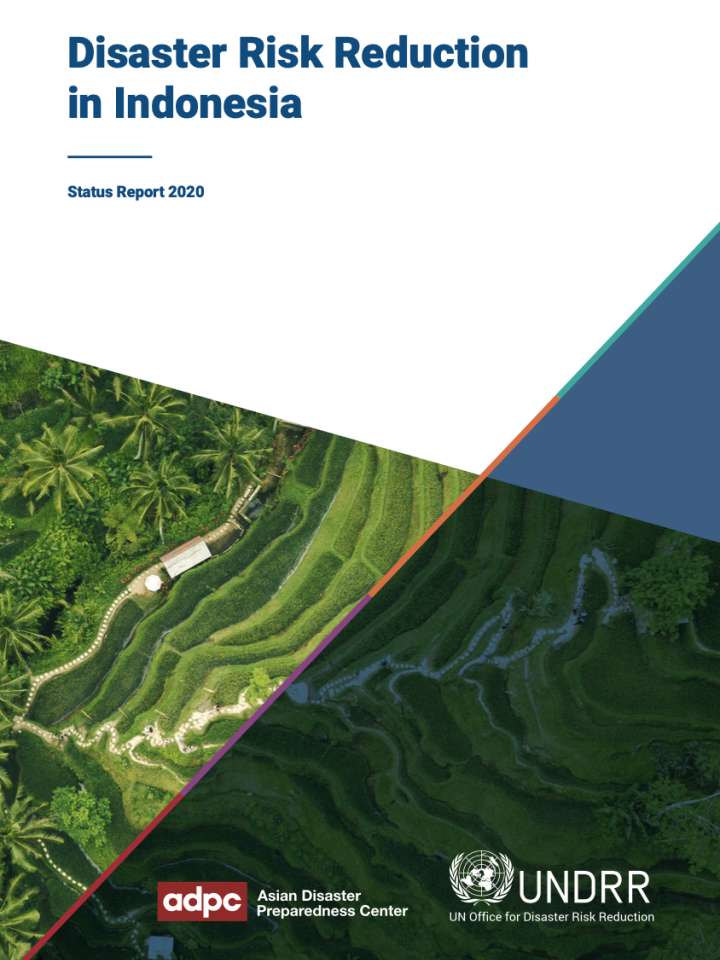
The disaster risk reduction (DRR) status report provides a snapshot of the state of DRR in Indonesia under the four priorities of the Sendai Framework for Disaster Risk Reduction 2015-2030.
Asian Disaster Preparedness Center
United Nations Office for Disaster Risk Reduction (UNDRR)
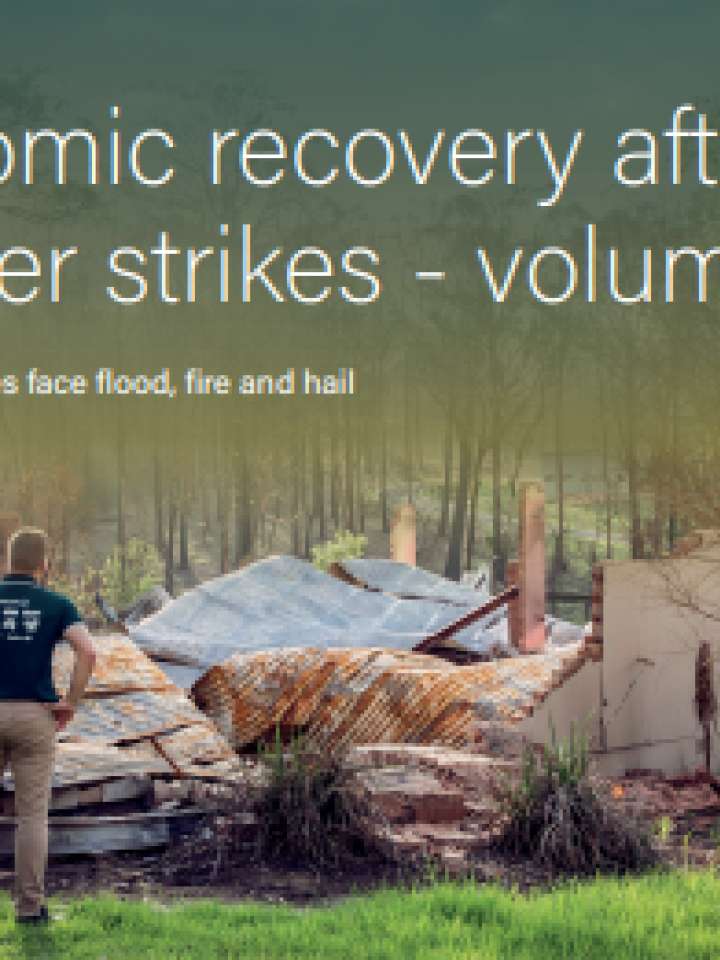
This report considers what role insurance played in restoring local economic activity and reducing the long-term impacts of these natural disasters, examining three severe natural disaster events in Australia between 2019 and 2020.
Floodplain buyouts are a flood mitigation strategy of acquiring frequently flooded properties and returning them to open space. A primary source of federal funding for post-flood buyouts is the Hazard Mitigation Grant Program (HMGP) administered by the
This paper examines how Kerala financed recovery after the 2018 floods, outlining statutory provisions, fiscal challenges, and the mix of public, private, and external mechanisms used to support reconstruction.
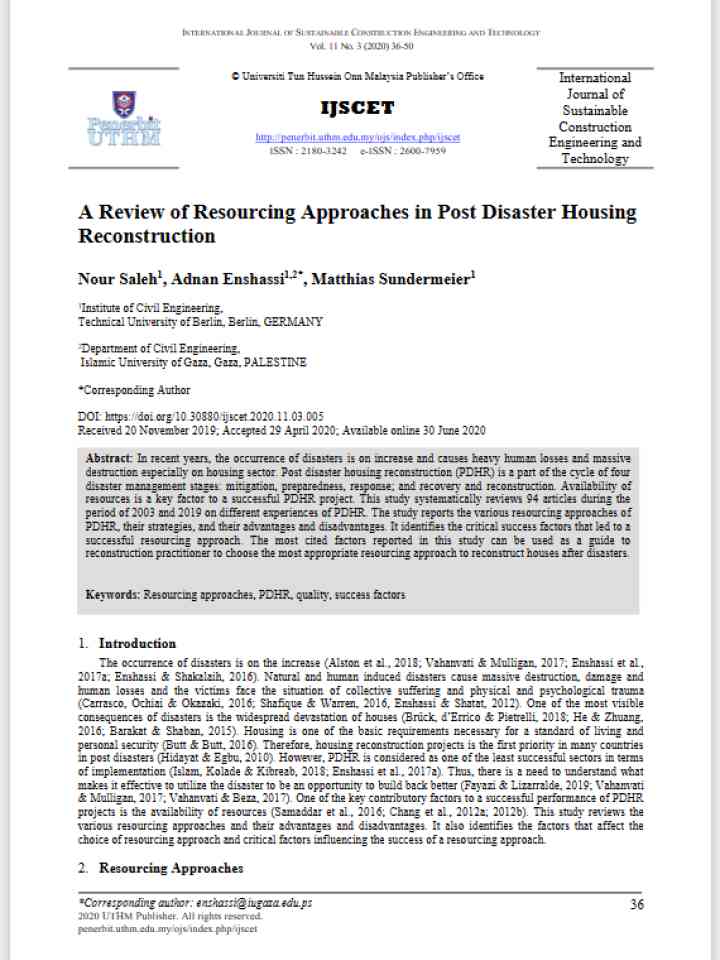
This paper systematically reviews 94 articles from 2003 to 2019 on post-disaster housing reconstruction. It highlights the success factors for effective PDHR, offering guidance for practitioners.
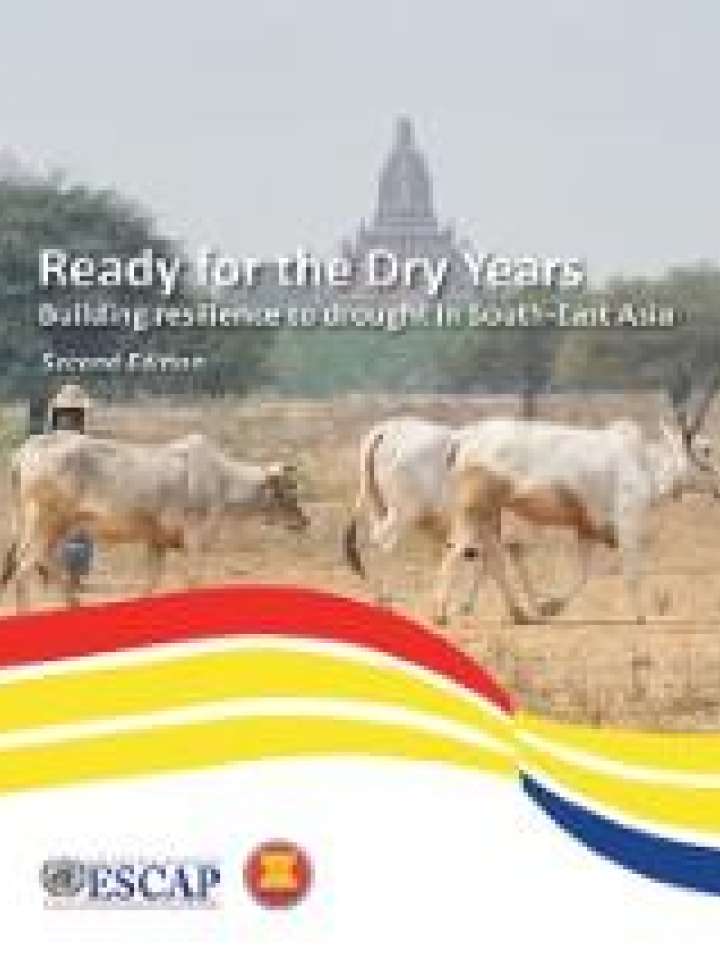
This second edition of Ready for the Dry Years reveals that the severity of two drought events during 2015-2016 and 2018-2020 exceeds anything recorded in the past two decades, since the major El Niño of 1997-1998.
Association of South East Asian Nations (ASEAN)
United Nations Economic and Social Commission for Asia and the Pacific (UN-ESCAP)
This paper presents the World Bank Group's (WBG) approach to COVID-19 crisis response including thematic areas and policy priorities based on its comparative advantages, as well as the operational and financial frameworks for scaling up impact in a world