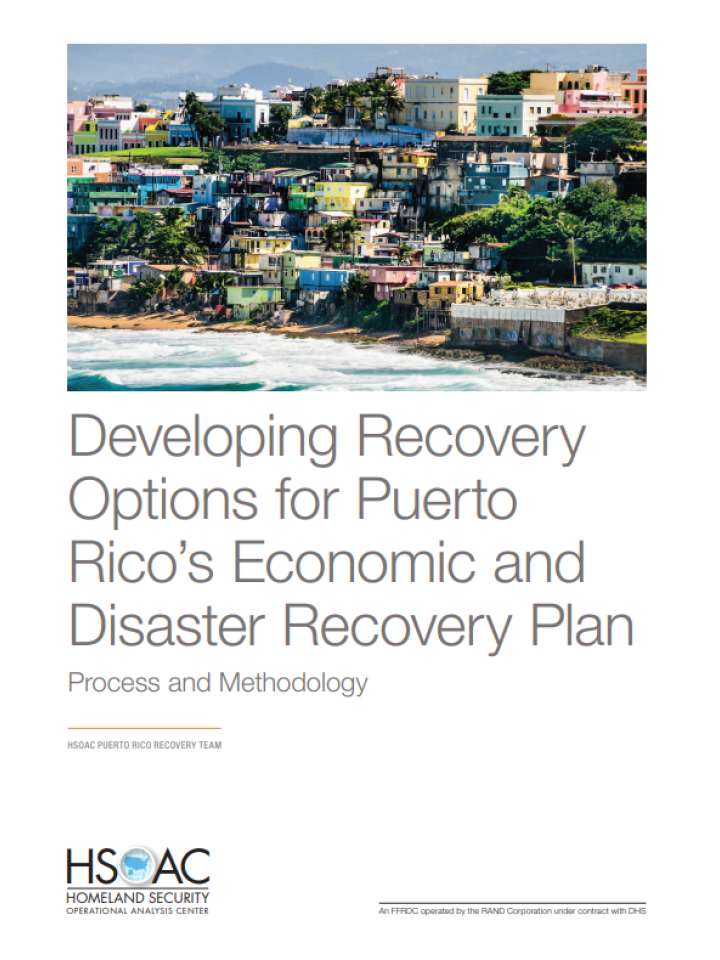
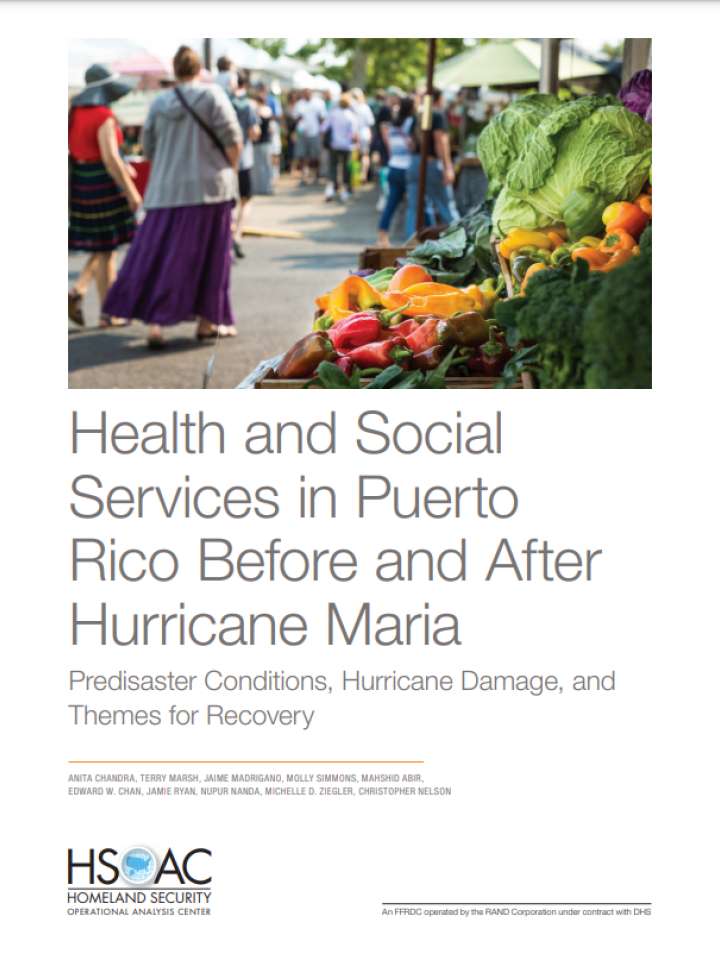
This report summarizes the strategic planning process in support of the government of Puerto Rico in its development of a congressionally mandated recovery plan.
HSOAC research provided the foundation for the 31 courses of action in the recovery plan addressing the health and social services sector. These actions are a mix of social, governmental, fiscal, and economic policies and reforms
In this brief, we examine the impact of the floods on some of the poorest people living in Mangochi and Nsanje; the extent of the damage caused to their households; and the warnings and type of assistance received. We also investigate differences in the impact of the floods on households enrolled on Concern’s Graduation programme.
In 2018–2019, the Wellington Region Emergency Management Office in New Zealand, in partnership with Te Hiranga Rū QuakeCoRE, ran a series of workshops on the five recovery environments (built, cultural, economic, natural and social) to develop the region’s recovery framework. To get balanced and diverse perspectives, workshop attendees included representatives from central and local governments, iwi1 , community groups, businesses, not-for-profits and academia. This paper uses a case study to highlight the challenges and opportunities of a collective partnership approach to preevent planning. The workshop outputs are used to develop a regional recovery framework and to improve emergency management engagement before and after an emergency event. This paper demonstrates and evaluates a novel approach for engaging stakeholders about pre-event recovery planning. This can guide similar efforts for Civil Defence and Emergency Management agencies in other locations in New Zealand as well as elsewhere.
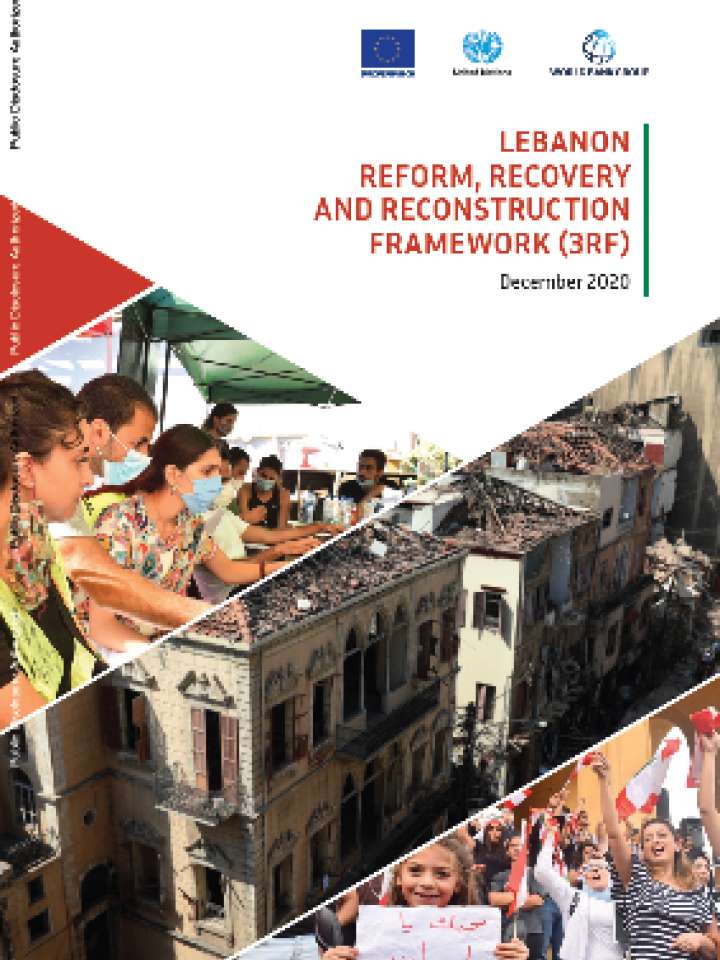
The framework for Reform, Recovery and Reconstruction (the 3RF) is a people-centered recovery and reconstruction framework, and a part of a comprehensive response to the massive explosion on the Port of Beirut on August 4, 2020.
World Bank, the
United Nations Development Programme (UNDP)
Global Facility for Disaster Reduction and Recovery, the (GFDRR)
The number of disasters and their magnitude are growing at an unprecedented rate. While there has been a decline in disaster mortality (in relative terms) over the last decade, in most places there has not been significant success in halting the
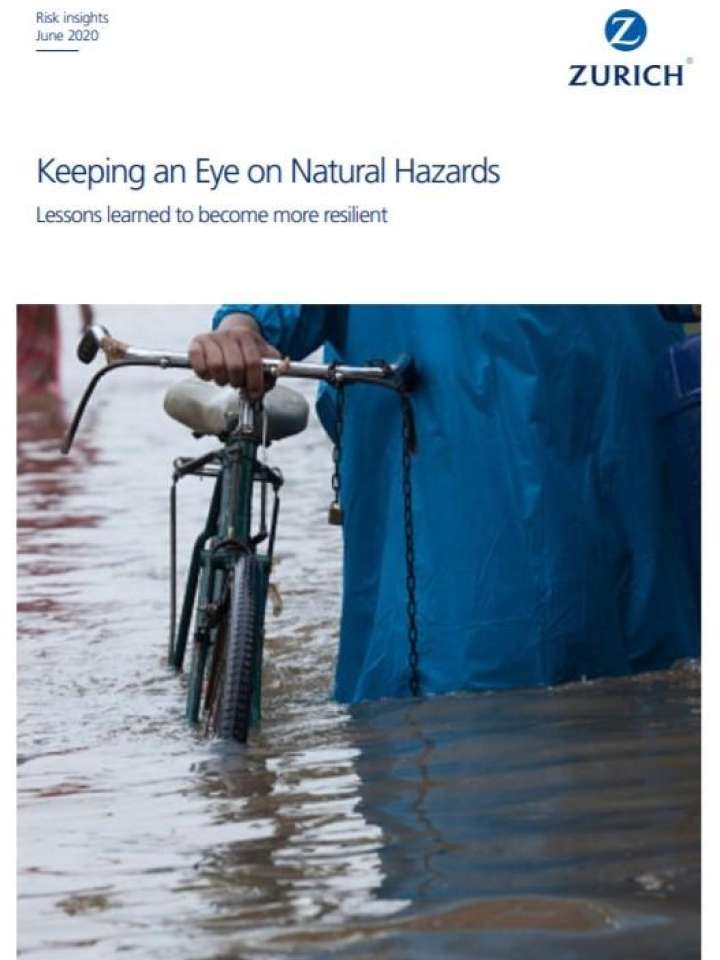
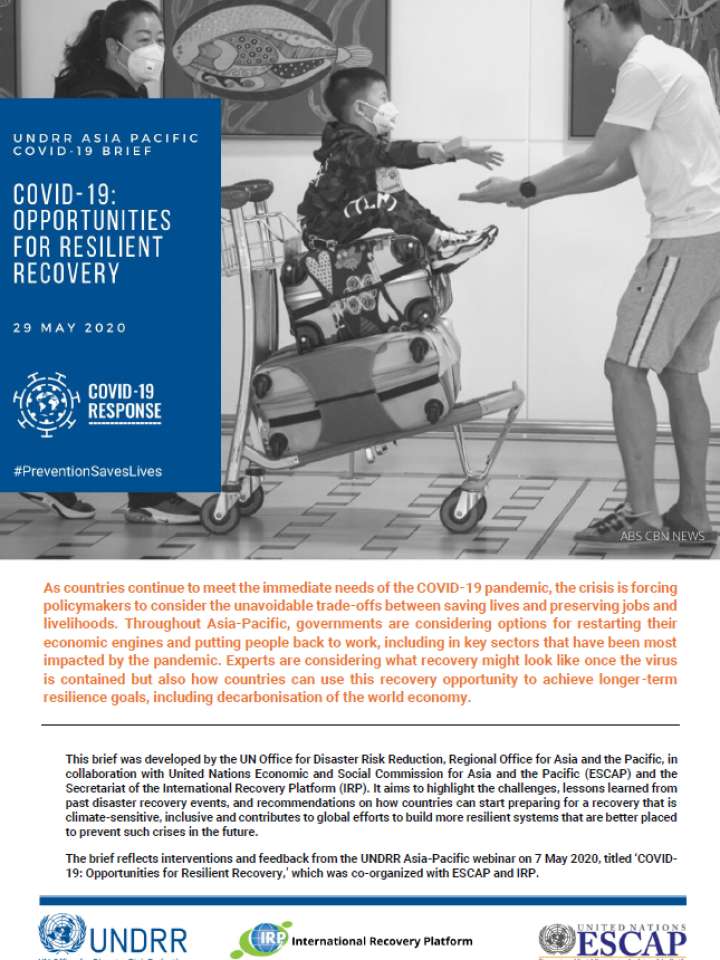
This brief highlights the challenges, lessons learned from past disaster recovery events, and recommendations on how countries can start preparing for a recovery that is climate-sensitive, inclusive and contributes to global efforts to build more resilient systems that are better placed to prevent such crises in the future.
United Nations Office for Disaster Risk Reduction - Regional Office for Asia and Pacific
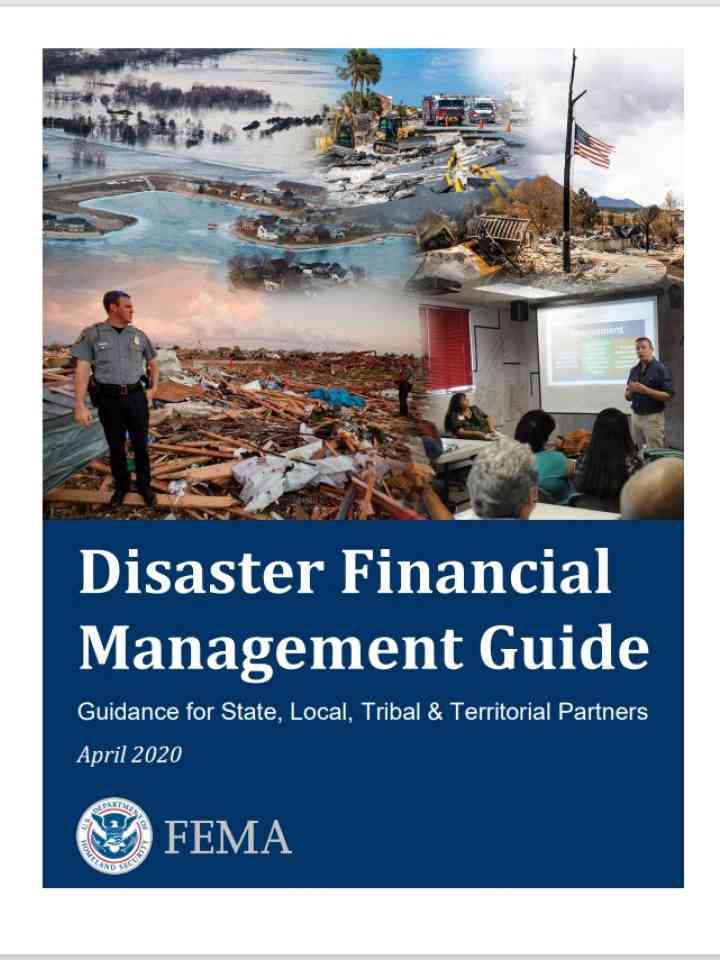
The Disaster Financial Management Guide, published by the Federal Emergency Management Agency (FEMA), outlines essential practices for managing finances during disasters.